Father Pitt

Tag: Domestic Architecture

  • The Wigman House and Its Neighbor, Carrick

    Wigman House

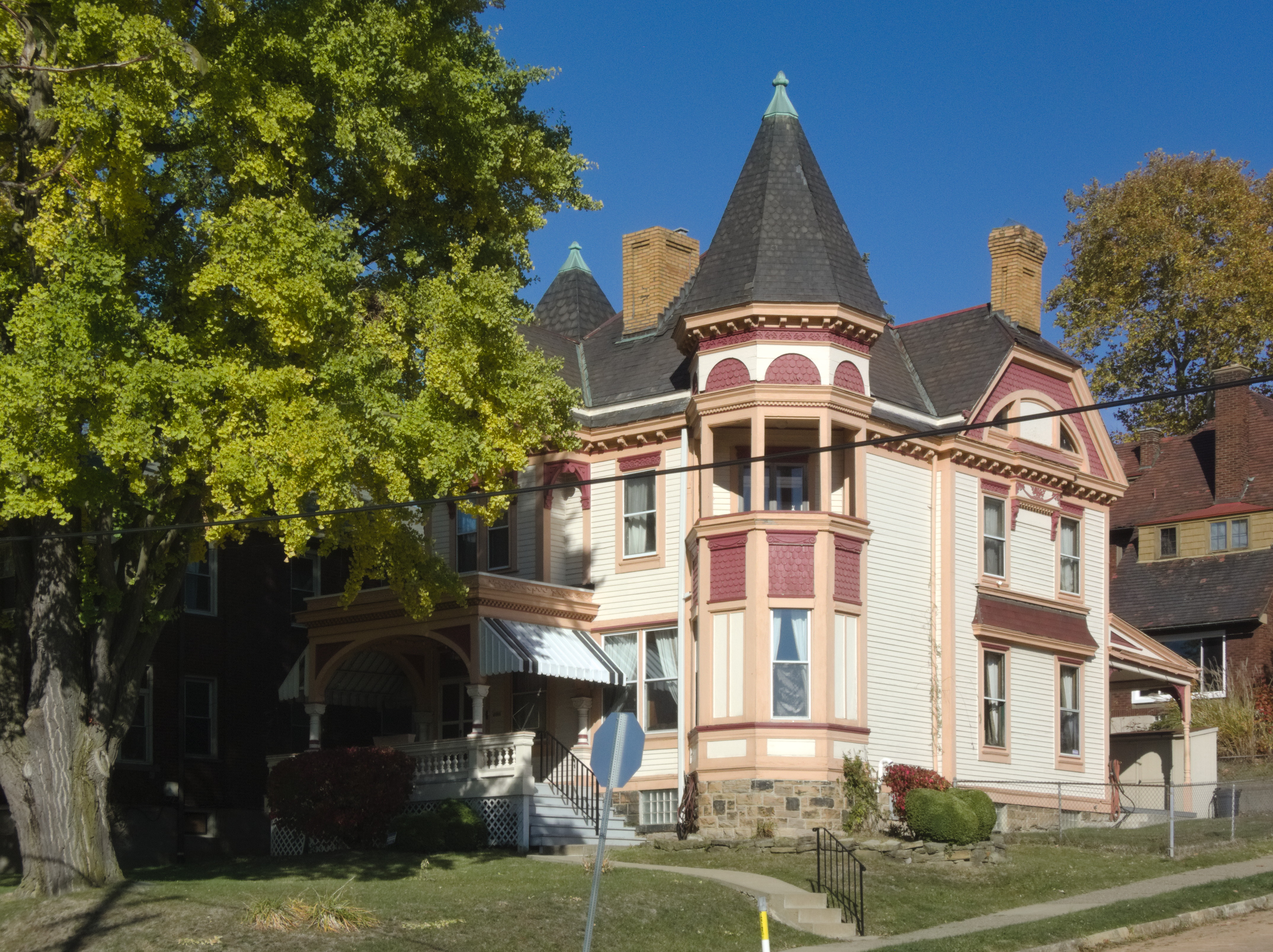
    The Wigman House, at the corner of Brownsville Road and the Boulevard, Carrick, is a splendid example of Victorian woodwork, and it will not surprise you to discover that it was built for a prosperous lumber dealer. Carrick is very proud of this house, which some years ago was rescued from possible demolition. “This is our Crown Jewel Victorian and is the last standing example of our past,” says the Carrick-Overbrook Wiki on a page last edited in 2013. “Because the popularity of high Queen Anne Style waned in the early 1900s this house is the only example of that architectural style existing in the immediate area.” The page reprints a 2010 article by Diana Nelson-Jones from the Post-Gazette, which repeats the claim, calling the house “the last of the grand Victorians remaining on the main drag.”

    But old Pa Pitt is delighted to report that this is not so. In fact the Wigman House’s neighbor three doors up Brownsville Road is older, larger, and also Queen Anne in style.

    Neighbor of the Wigman House

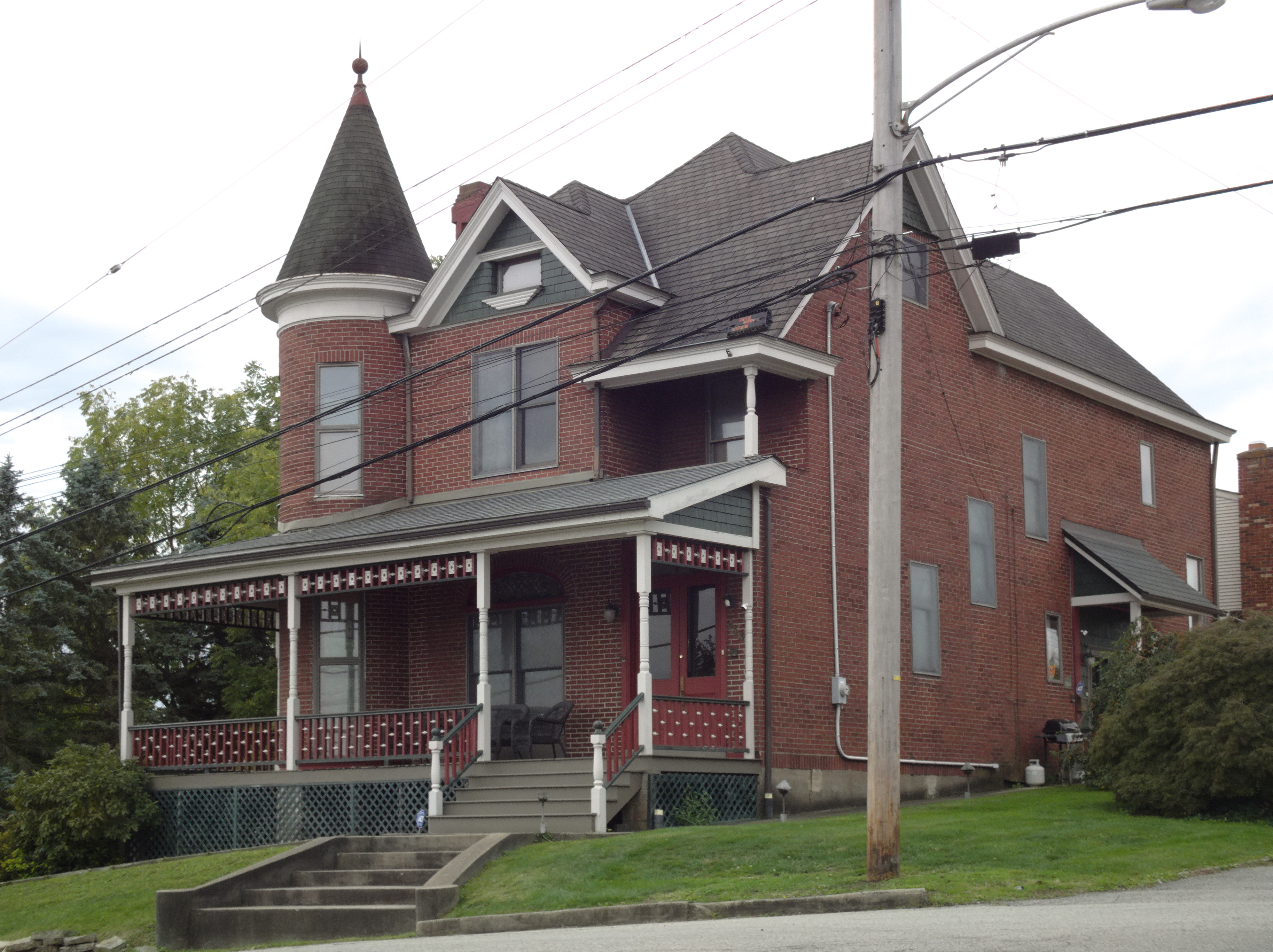
    This is not a very good picture, and old Pa Pitt will try to do better the next time. But you can see what Father Pitt immediately noticed when he glanced at the house from across the street in the South Side Cemetery: the unmistakable shape of a Queen Anne mansion. The third floor has been altered a bit; that gable would have had some ornate woodwork, probably some curved surfaces with wood shingles, and possibly a balcony (note, in the shadows to the left, the charming little side balcony on the third floor). But the typical Queen Anne outline of this fine brick Victorian has not changed since it was built. Some relatively minor restorations in that third-floor gable would bring back all its Victorian splendor.

    The Wigman House was built in 1902, according to the wiki page. The brick house above was built in the 1880s; it appears on the 1890 maps of Carrick.

    Of course the Wigman House, with its corner turret and well-preserved woodwork, is a remarkable house. But it is a great pleasure to point out its distinguished older neighbor to the history-lovers of Carrick.

    Wigman House again
  • Newly Restored Victorian House on Mount Washington

    Victorian house on Bertha Street

    The finishing touches were still being finished up when old Pa Pitt strolled past this splendid house on Bertha Street. Old maps suggest that it was built between 1872 and 1882, and thanks to a thorough restoration it almost looks as if it was built yesterday.

    Father Pitt hopes the owners will resist the temptation to leave the picket fence unpainted. Treated lumber may not have to be painted, but it will never be attractive in its unpainted state.

    From the south
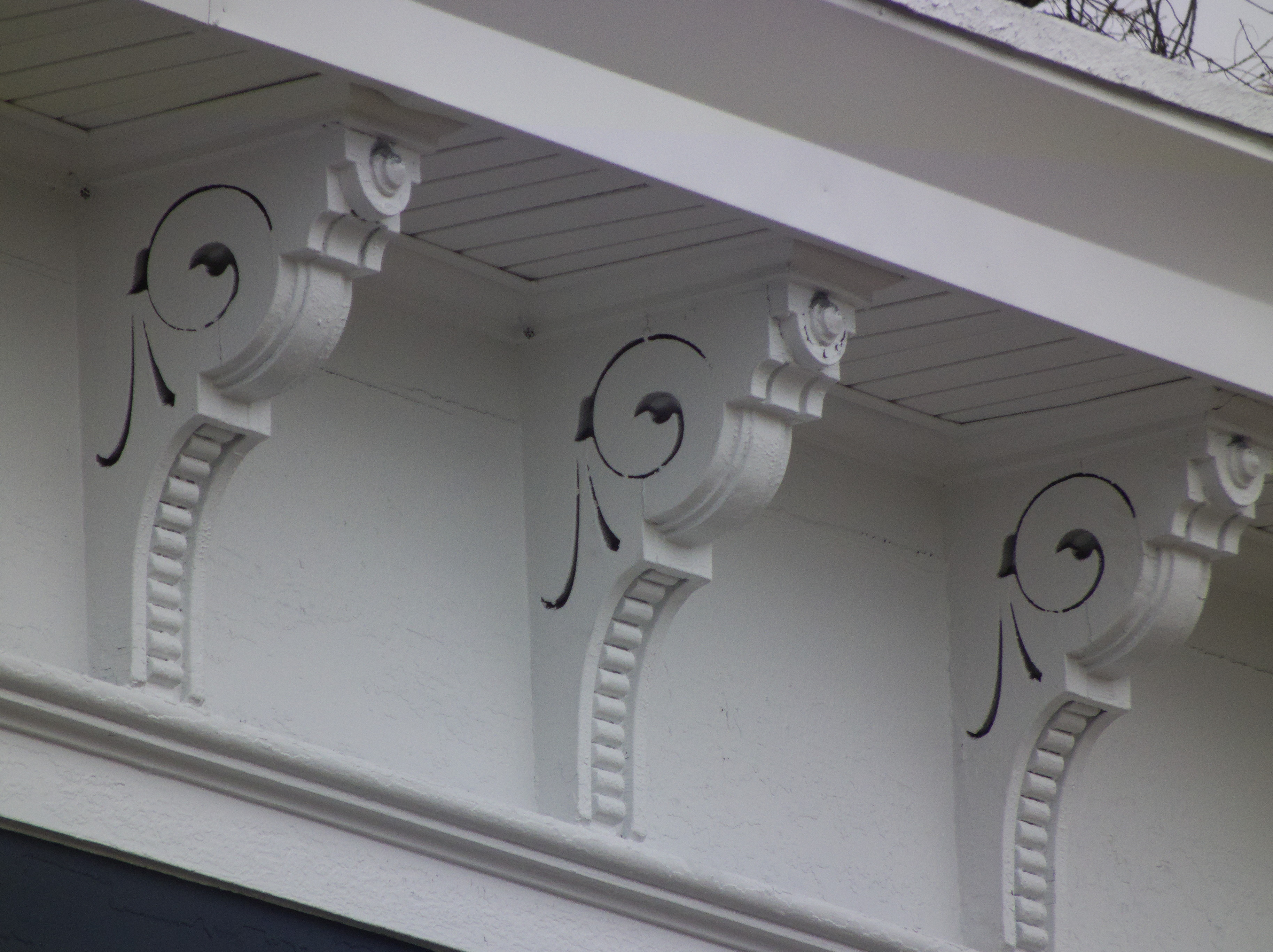
    Cornice brackets

    The cornice brackets are fine examples of folk-art woodwork.

    From the north
  • Johnston House, Squirrel Hill

    Johnston house

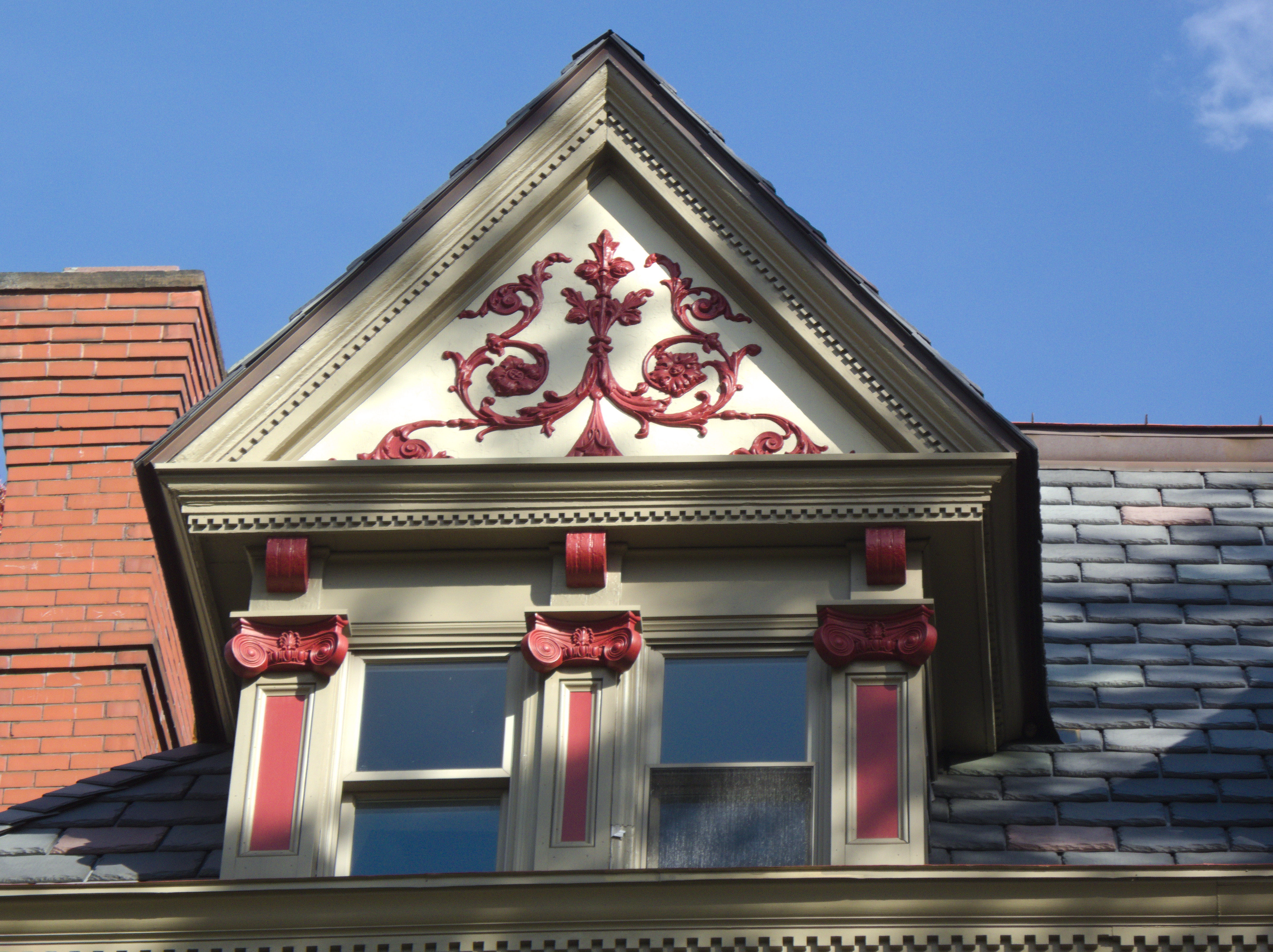
    Probably built in the 1890s, this grand house on Wightman Street has its very Victorian trim picked out in cheerful colors. Note the thoroughness of the decoration: even the dormers are given little pilasters with Ionic capitals.

    Dormer
    Left dormer
    Oblique view
  • More Civil-War-Era Houses on Jane Street

    Frame houses from before 1872

    These houses date from before 1872, to judge by both old maps and the general shape of the houses. Some have been more drastically altered than others. Old Pa Pitt is particularly interested in the one that has had a new “used-brick” façade added, but whose sides—as you can just make out in this picture—are still sheathed in asphalt sheets with a cartoon stone pattern.

  • Victorian Duplex on Mount Washington

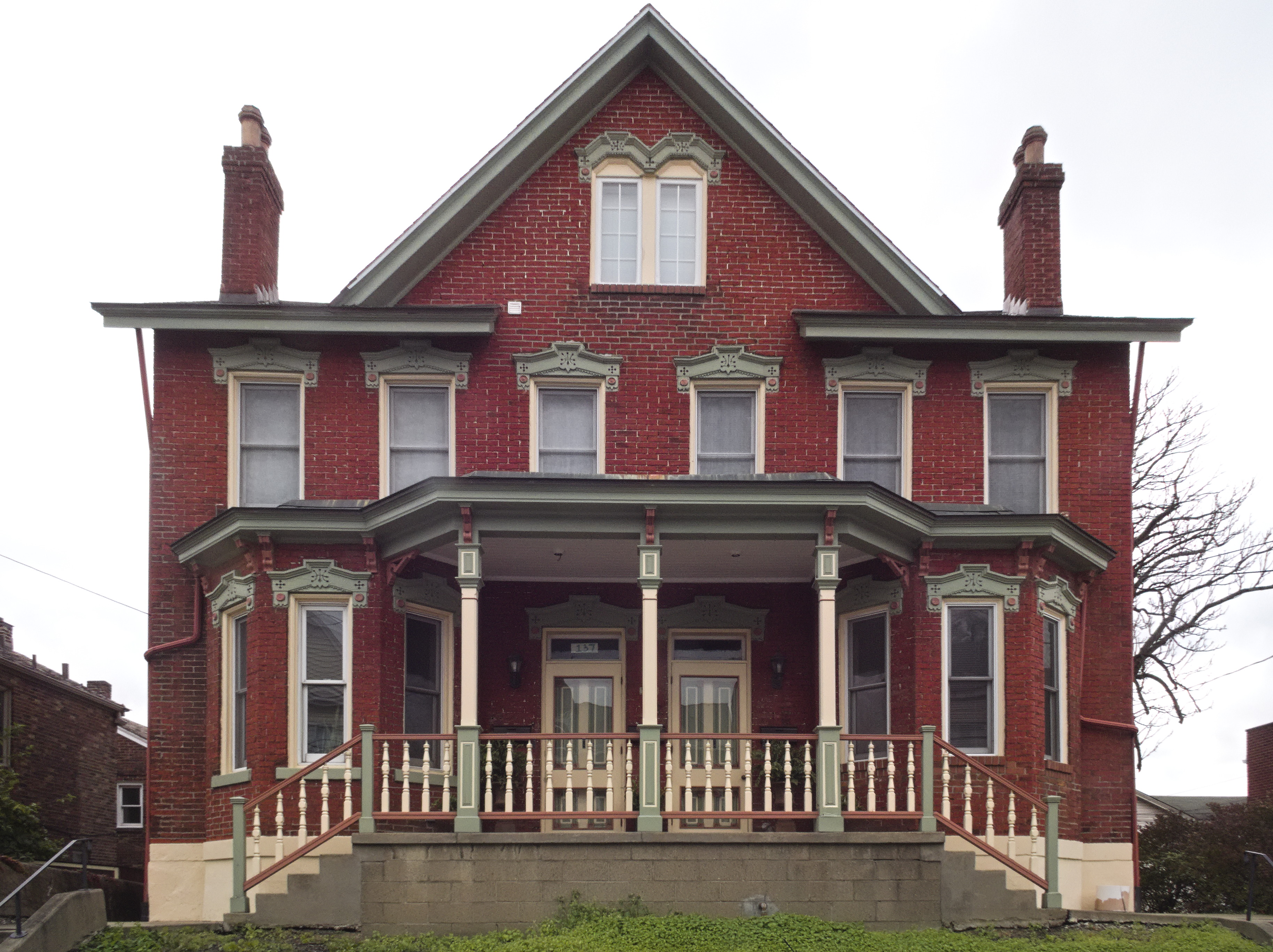
    Victorian duplex on Bertha Street

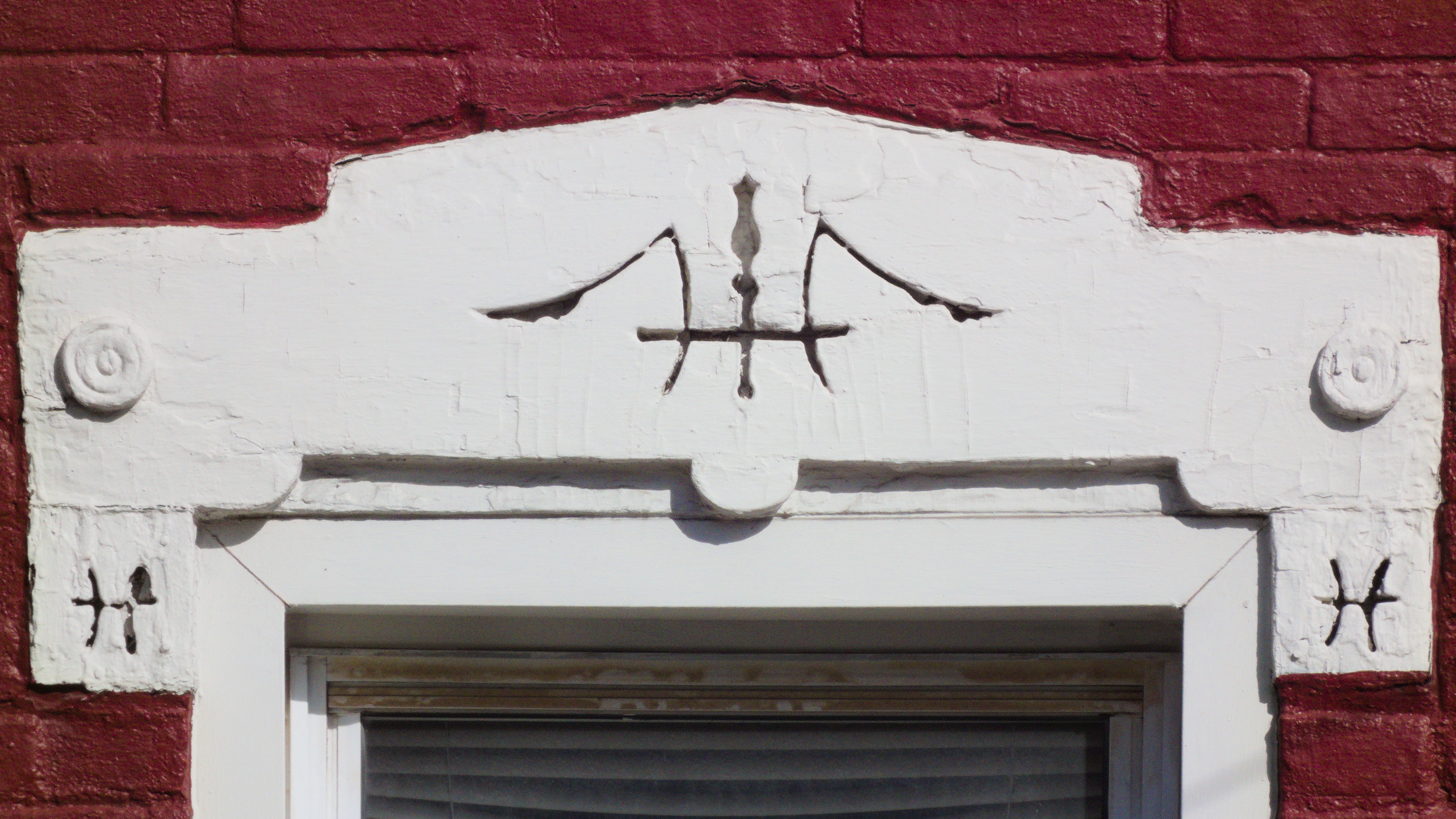
    Built in the 1880s, this matched pair of houses is beautifully restored and maintained, with the details of the trim picked out in tasteful colors.

    Decorated lintel
  • Second Empire Houses on the South Side

    Pair of Second Empire houses

    A matched pair of Second Empire houses in nearly perfect shape except for the modern dormer windows. The folk-art etching in the lintels is charming.

    Lintel
  • Renaissance Palace in Squirrel Hill

    House on Aylesboro Avenue

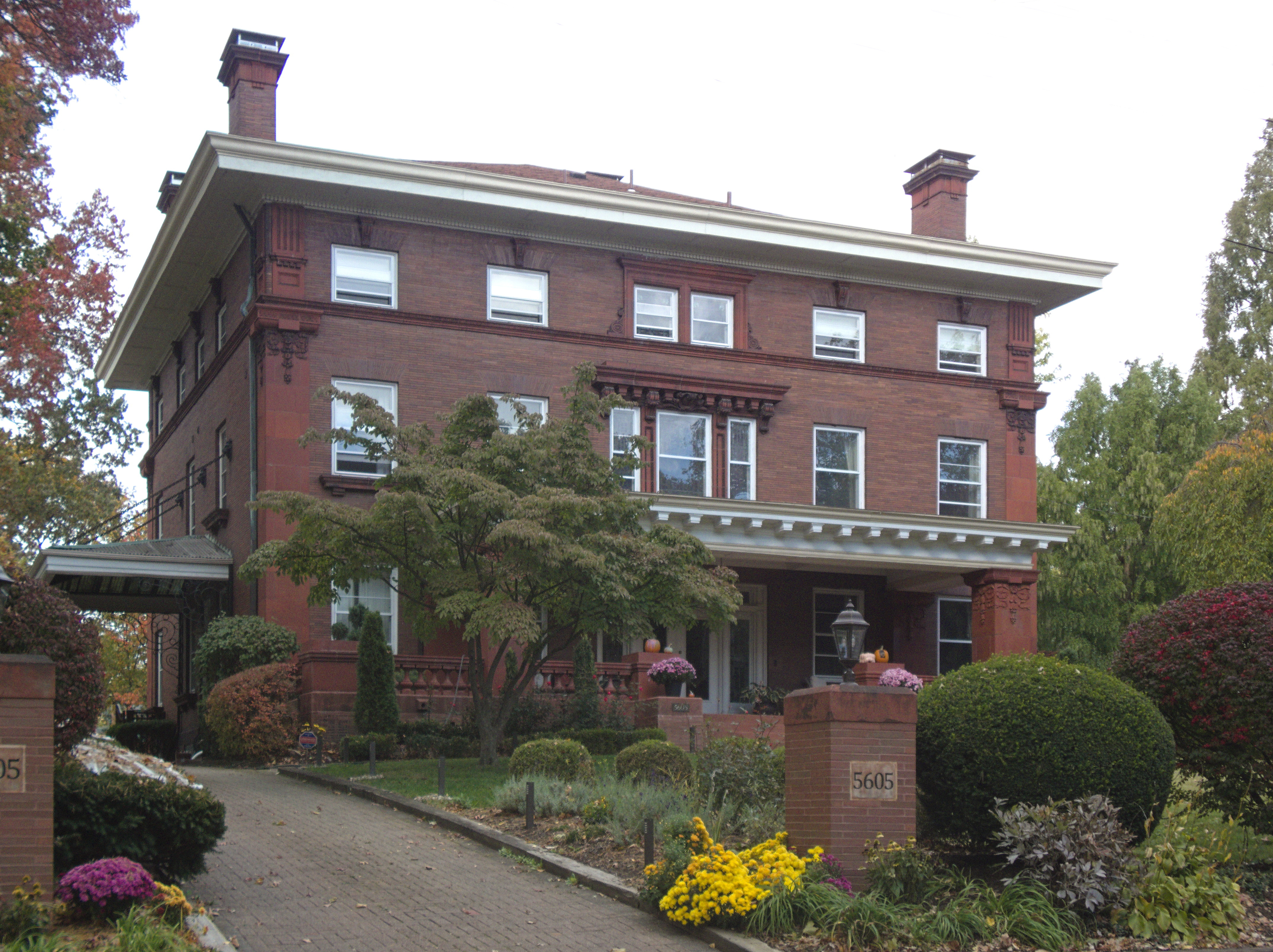
    Pittsburgh has many Millionaires’ Rows, and one of them is along Aylesboro Avenue in Squirrel Hill. This house is typical of the rectangular Renaissance-palace style that was popular for large houses in the early 1900s.

    Renaissance palace
  • Civil-War-Era Frame Houses on Jane Street

    1800 block of Jane Street

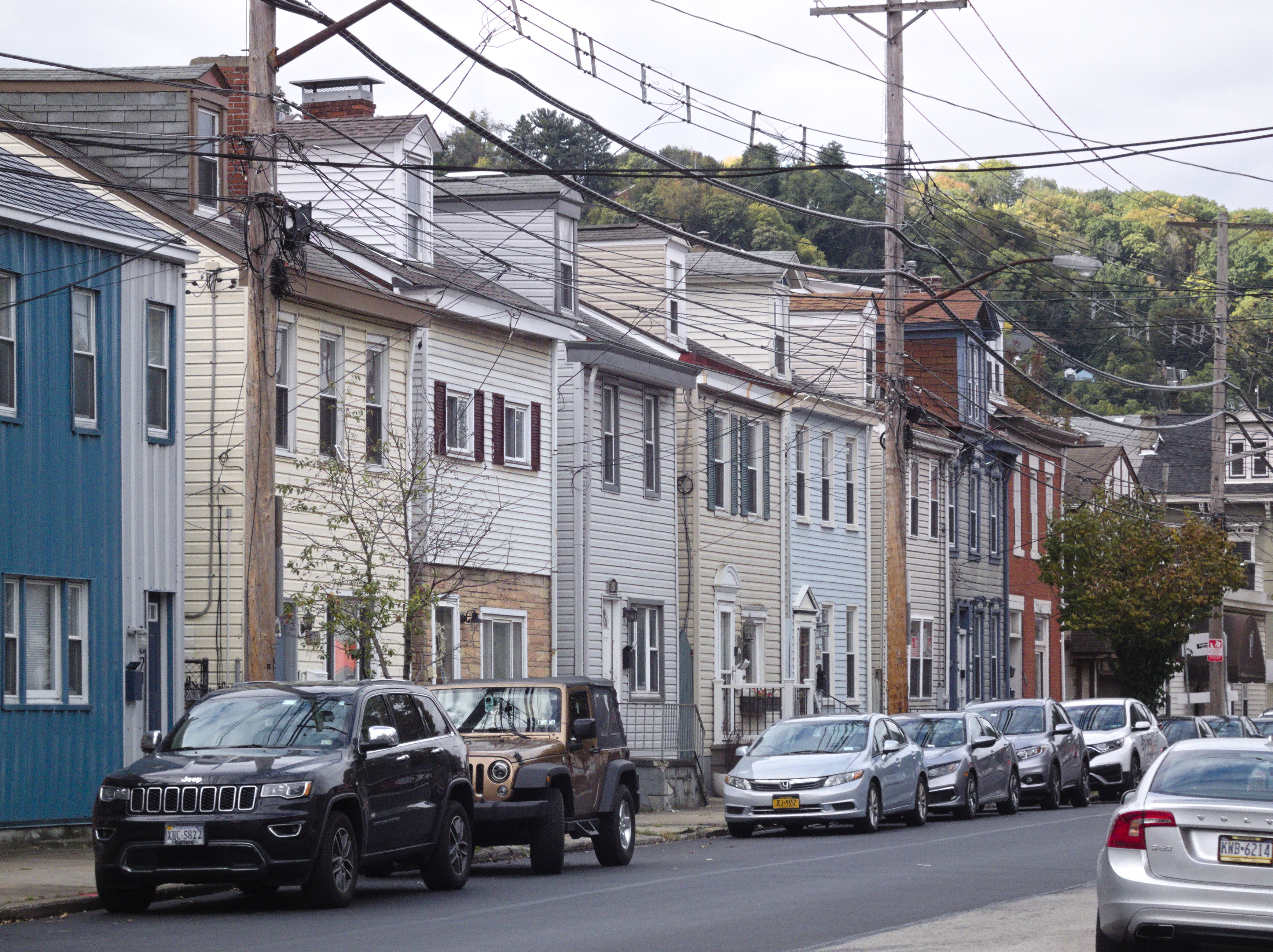
    Each one of them has had its individual adventures, but it seems fairly certain that this row of half a dozen frame houses with narrow dormers dates from before 1872. Together they form something of a manual or catalogue of things that can happen to a frame house in Pittsburgh over the course of a century and a half.

  • Queen Anne House in Carnegie

    Queen Anne house on Doolittle Avenue

    This splendid house sits on the hill overlooking the part of Carnegie that was formerly the borough of Chartiers.

    From the right-hand side
    Across a grassy meadow
  • Chimney Pots of the South Side

    Chimney pots

    You probably thought old Pa Pitt had reached the frozen limit of esoteric obsession when he brought you large collections of breezeways. You were mistaken. With the long lens on his Fuji HS10 camera, he is able to pick out clear pictures of chimney pots, and he has always been fascinated by chimney pots. They are still found on some of the oldest houses in the neighborhood, and they come in a wonderful variety of shapes and decorations. Expect to see many more pictures of chimney pots, but these are a good start.

    More chimney pots
    These are also chimney pots
    You probably guessed that these were chimney pots, too
    Would you believe us if we told you these were chimney pots?
    At least this picture has a satellite dish for variety, but, yeah, more chimney pots
    Oh, look! Chimney pots!
    George Washington Carver playing a xylophone. Just kidding! More chimney pots.