


Father Pitt promised more Tudor-style houses in Schenley Farms, and here they are. We are certainly not finished with the Tudor houses in the neighborhood, but we have made a good beginning.
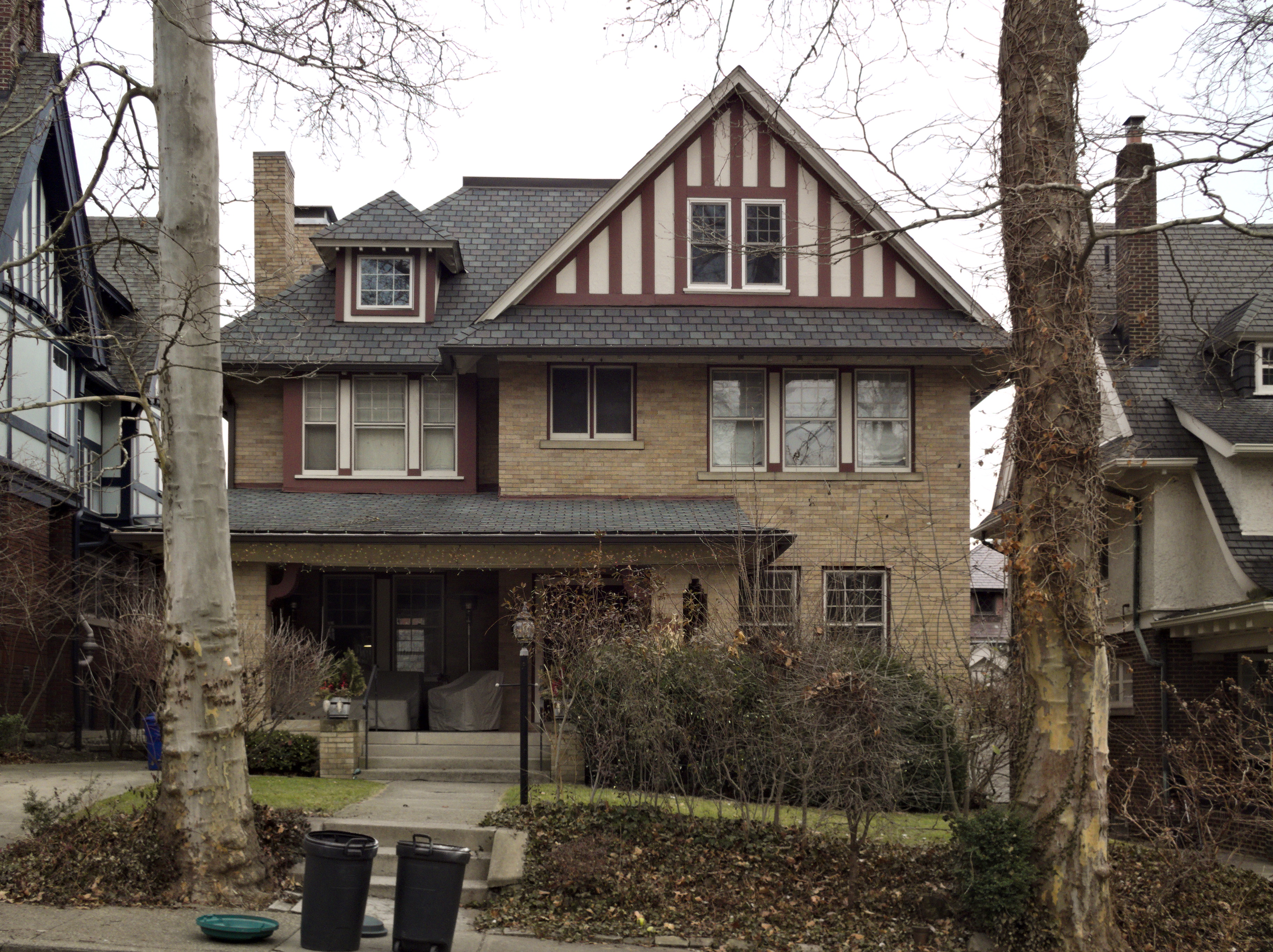


Father Pitt promised more Tudor-style houses in Schenley Farms, and here they are. We are certainly not finished with the Tudor houses in the neighborhood, but we have made a good beginning.

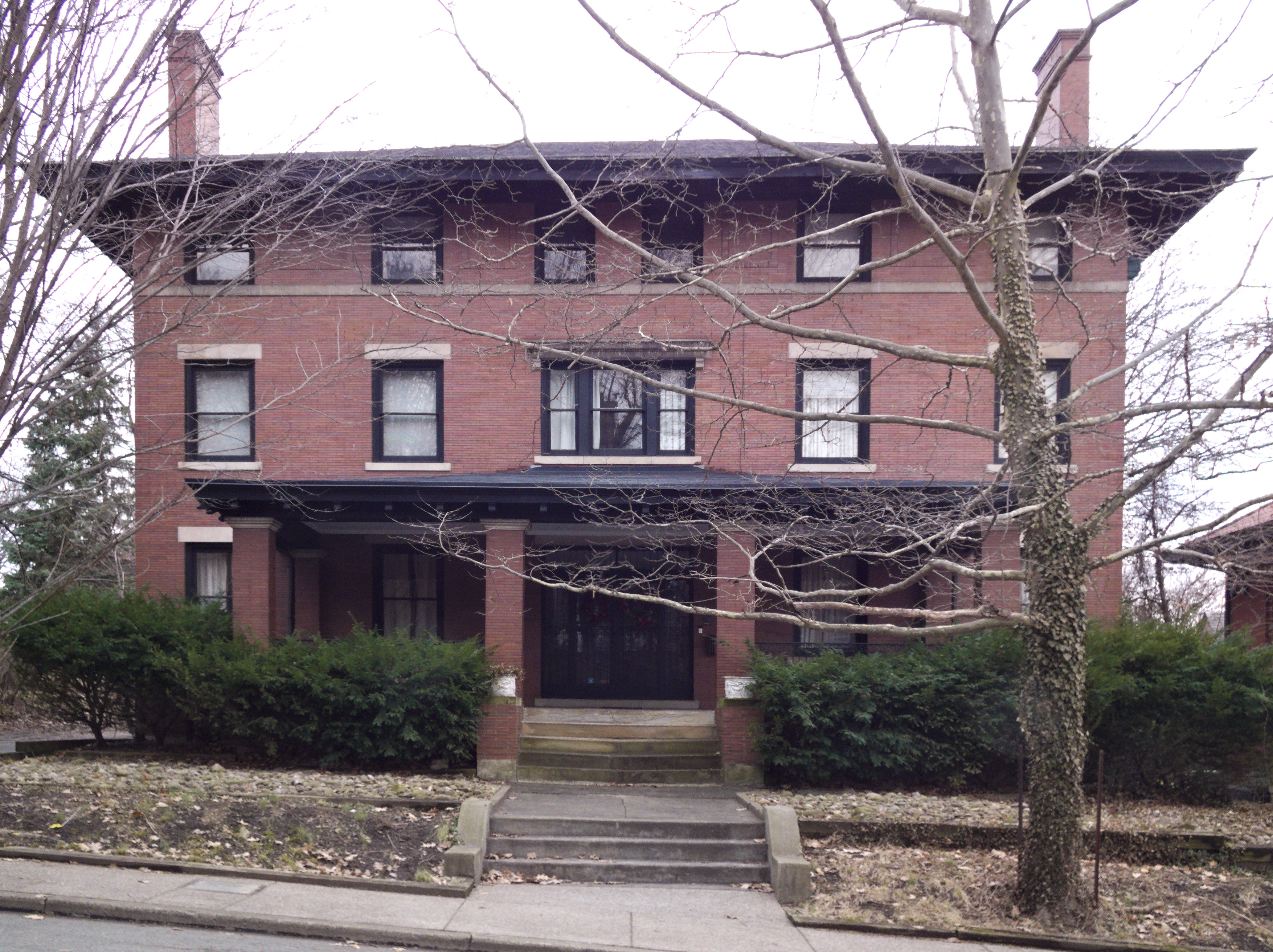
Though Tudor was the most popular style in Schenley Farms, there are other styles as well, and there are several fine Italian Renaissance palaces in the neighborhood.



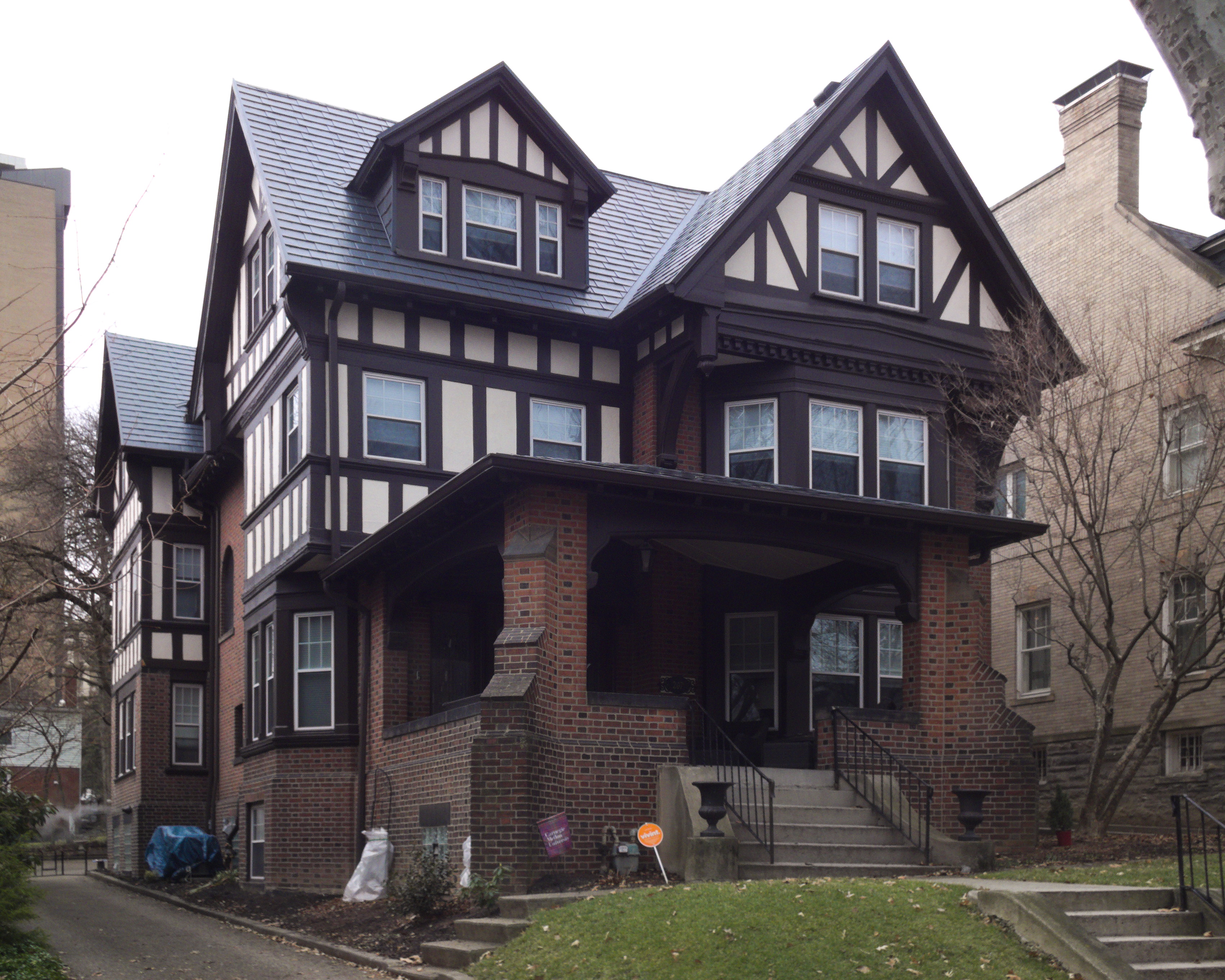
The Tudor style was very popular for large houses in Pittsburgh in the early twentieth century, and in Schenley Farms, that exceptional enclave of exceptionally fine houses in the Oakland medical-intellectual district, it is the single most popular style. The hallmark of the style is half-timbering: exposed wooden beams with stucco (or some such material) between them. Here is a random selection of Tudor houses; we’ll see more of them shortly, since, with the leaves gone for the winter, now is the time to get pictures of the houses behind the trees.


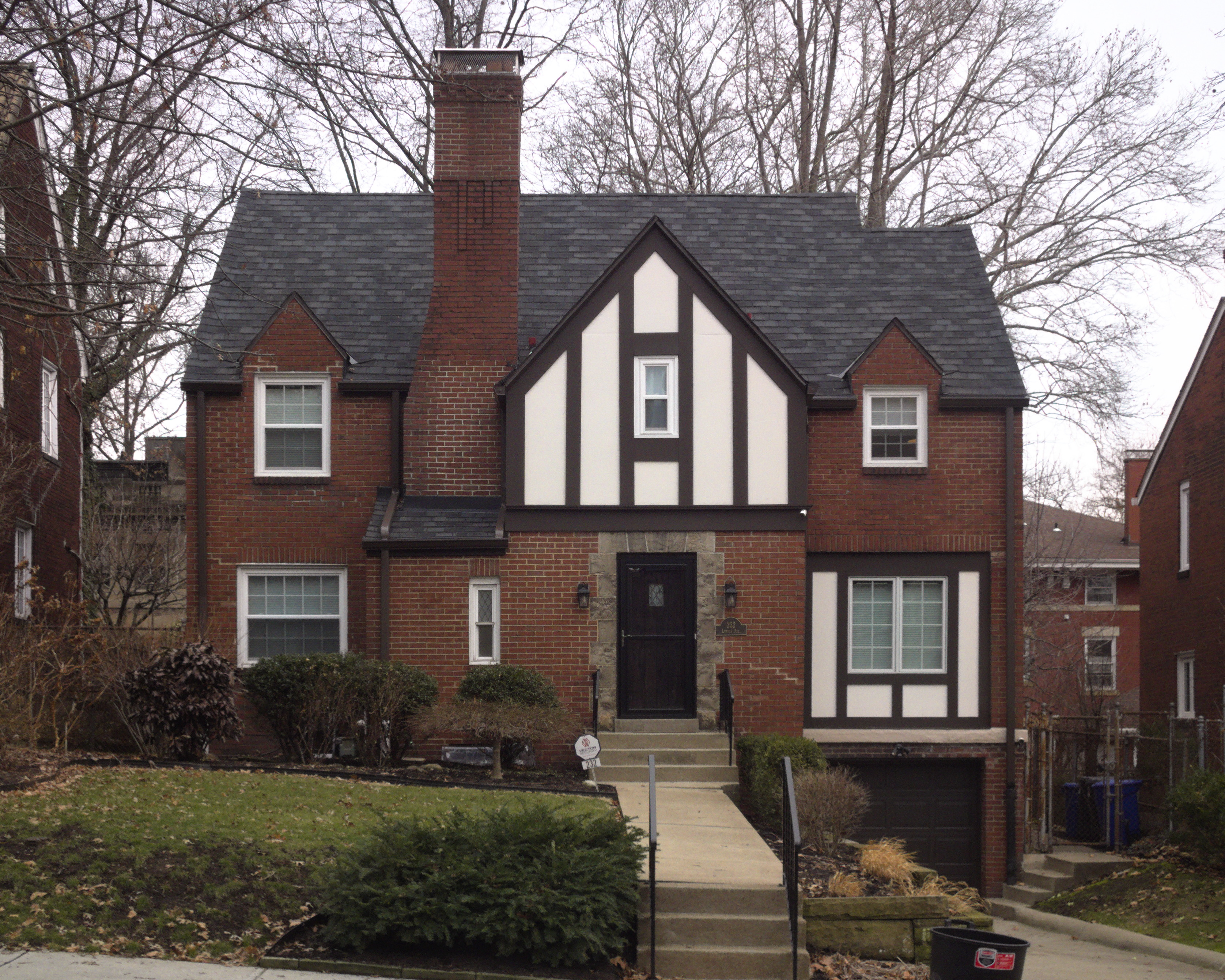
This last house is an interesting example of the survival of the style into the middle twentieth century: it is later than most of its neighbors, and probably dates from the 1930s at the earliest, but it adapts the Tudor style to a lower budget and more modest size.

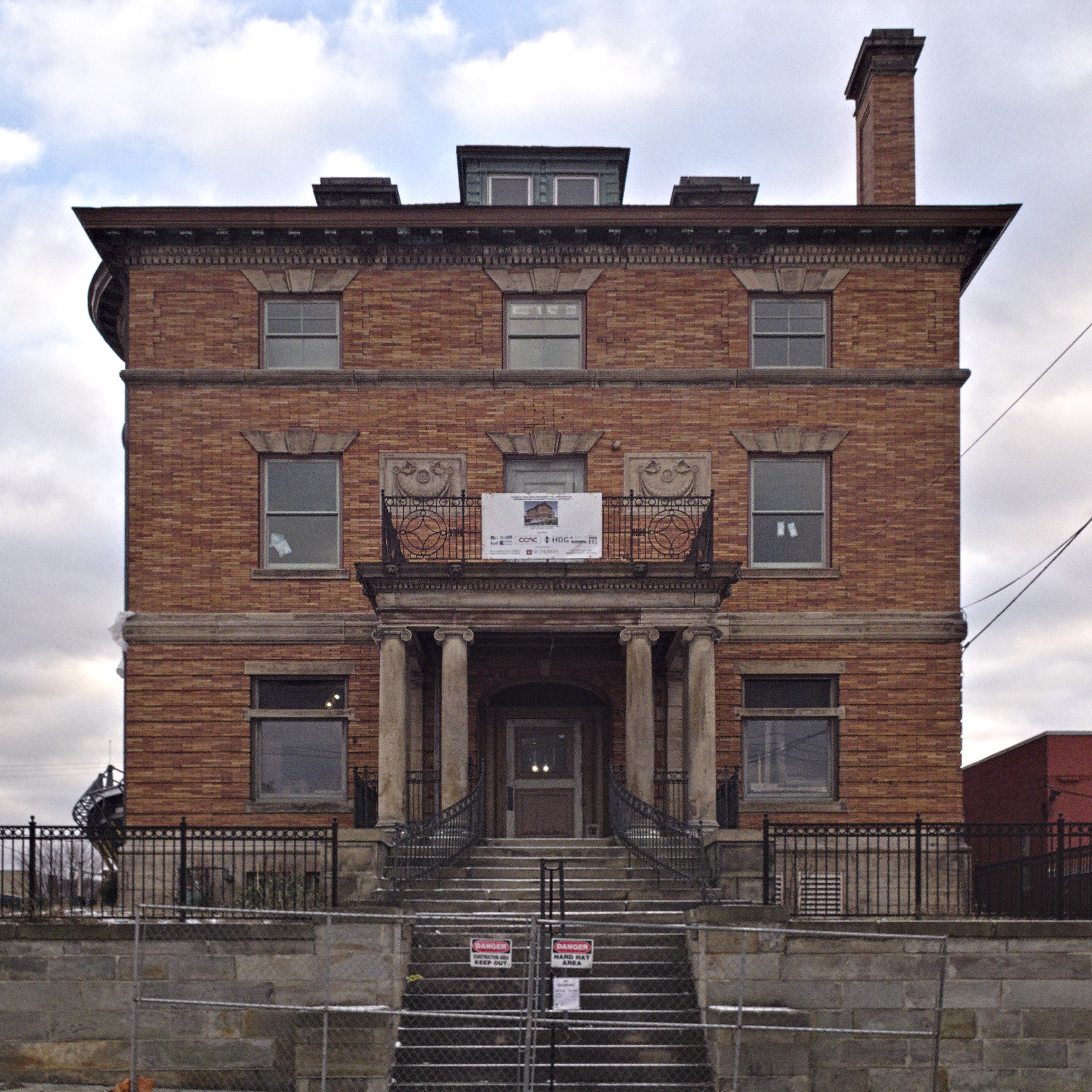
Now Chalfant Hall of the Community College of Allegheny County, and currently getting a thorough renovation. The house was built in about 1900; no one seems to know who the architect was. Henry Chalfant was a successful lawyer whose father was a successful lawyer as well.


A modest church from 1925 in an unusual Spanish Mission style. That style was very popular for houses and apartments in the 1920s, but in Pittsburgh it is seldom found in churches.
The well-preserved, though somewhat bedraggled, Italianate house next door is also worth noting.

Addendum: The architects of the church were Sharove & Friedman, who were more used to synagogues than churches—they worked with Henry Hornbostel on the Congregation B’nai Israel synagogue. Without the tower, this would look very much like a modest synagogue. Source: The American Contractor, September 8, 1923: “Church: $20,000. 1 sty. & bas. 30×70. Wylie av. & Francis st. Archt. Sharove & Friedman, Berger bldg. Owner The Trinity African Meth. Episcopal Congr., Rev. G. F. Williams, 2704 Wylie av. Brk. walls. Drawing plans.” It is regrettable, though understandable, that the arch at the top of the façade disappeared some time after these pictures were taken; it had probably become unstable.
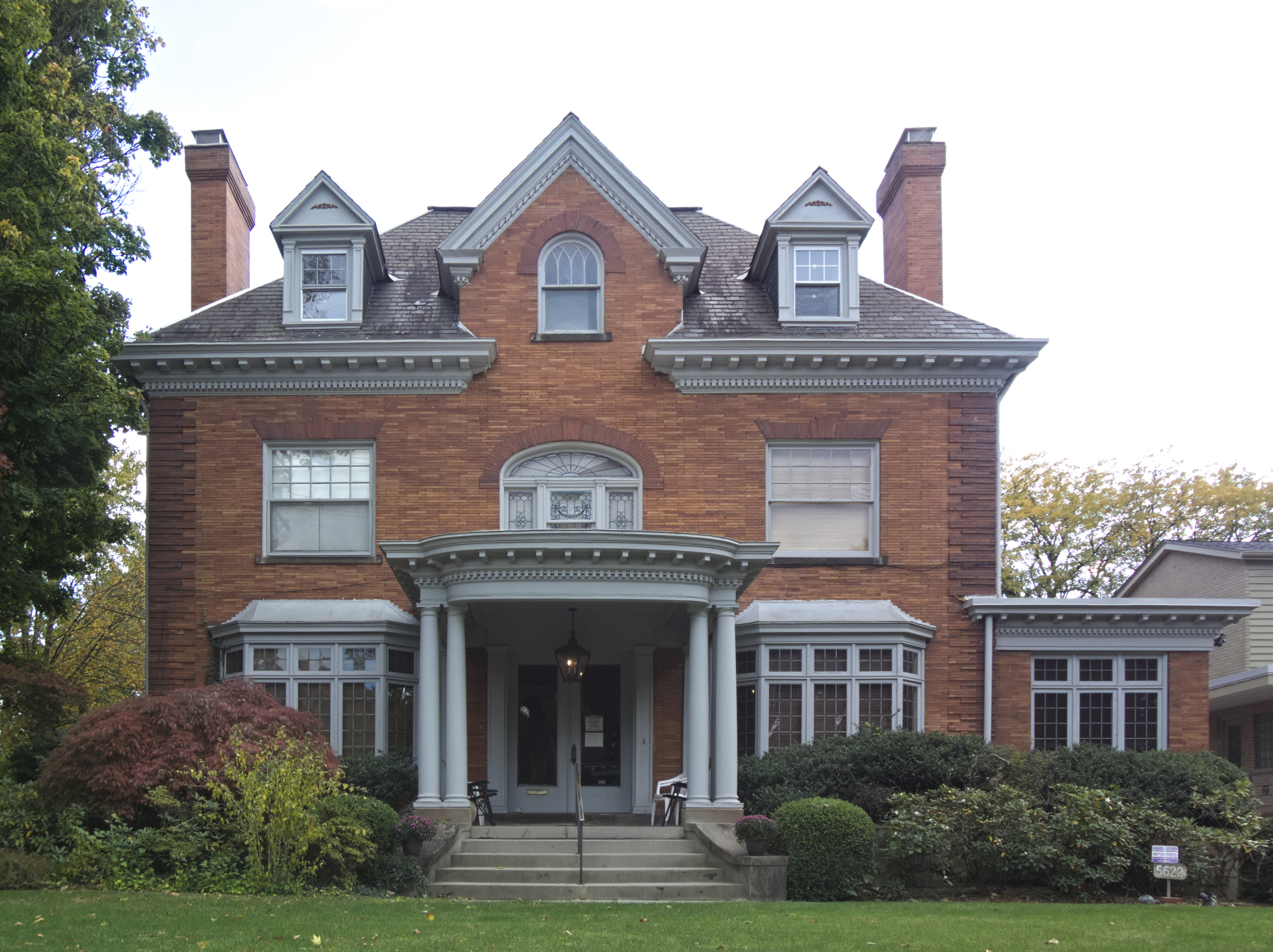
A little bit Georgian with a hint of Gothic, this house is oddly eclectic in its details but harmonizes them well.

Something like a Pittsburgh foursquare stretched into a Renaissance palace, this house prefers simple dignity to ostentatious ornament.


Two Second Empire rowhouses whose upper floors are fairly well preserved. The one on the right has had some adventures on the ground floor, possibly including a storefront at some point. Note the wooden shingles on the house on the left.

A fine block of rowhouses on the north side of Sarah Street.

Built in 1880, this row of modest townhouses has been altered a bit to take advantage of the view, but retains much of its ornamental woodwork.