
Frederick Osterling built this charming little building in 1917 to be his office and studio. From it he had a fine view of the Pittsburgh skyline that he was helping shape—a view now blocked by the new Alcoa building.
Frederick Osterling built this charming little building in 1917 to be his office and studio. From it he had a fine view of the Pittsburgh skyline that he was helping shape—a view now blocked by the new Alcoa building.

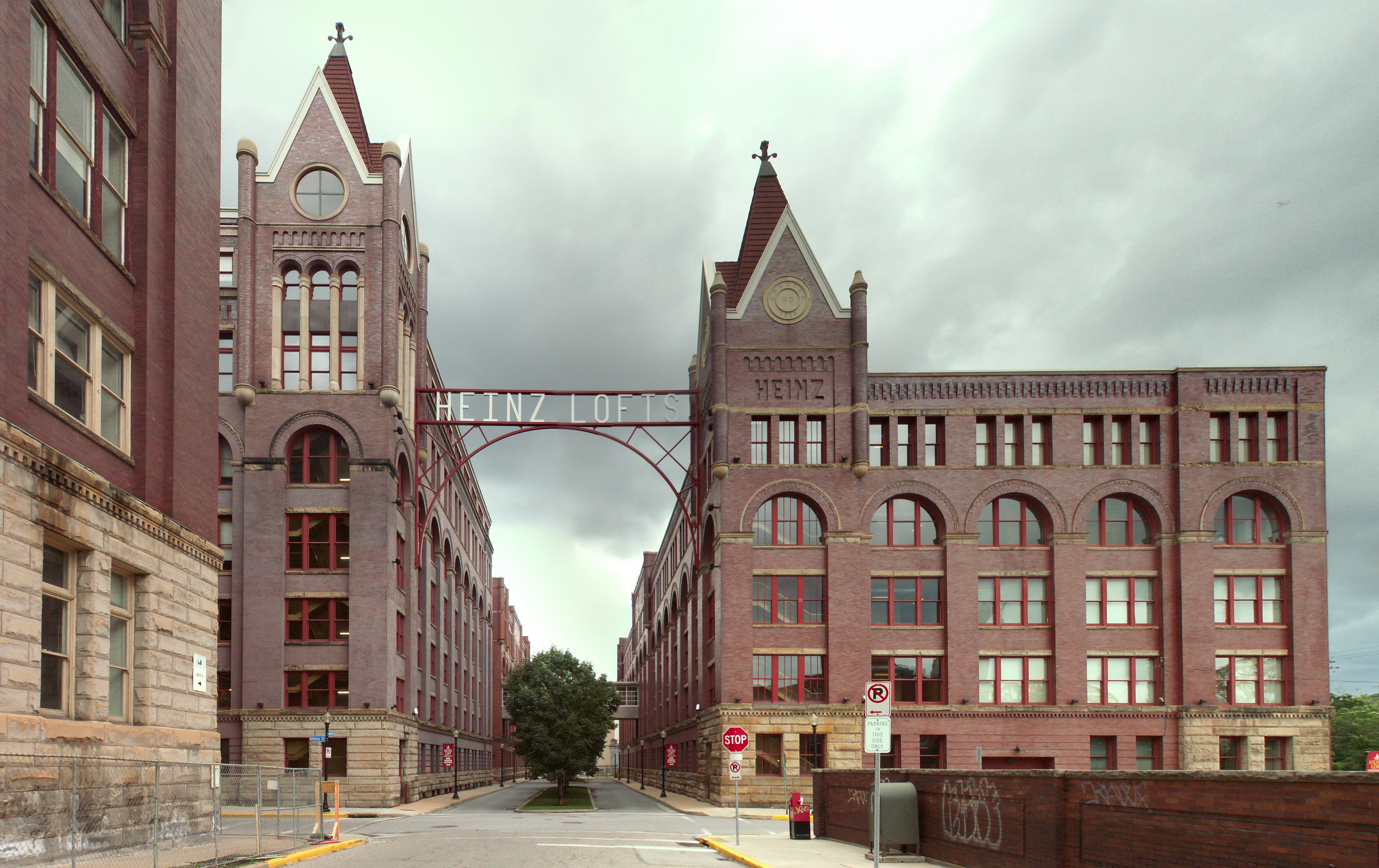
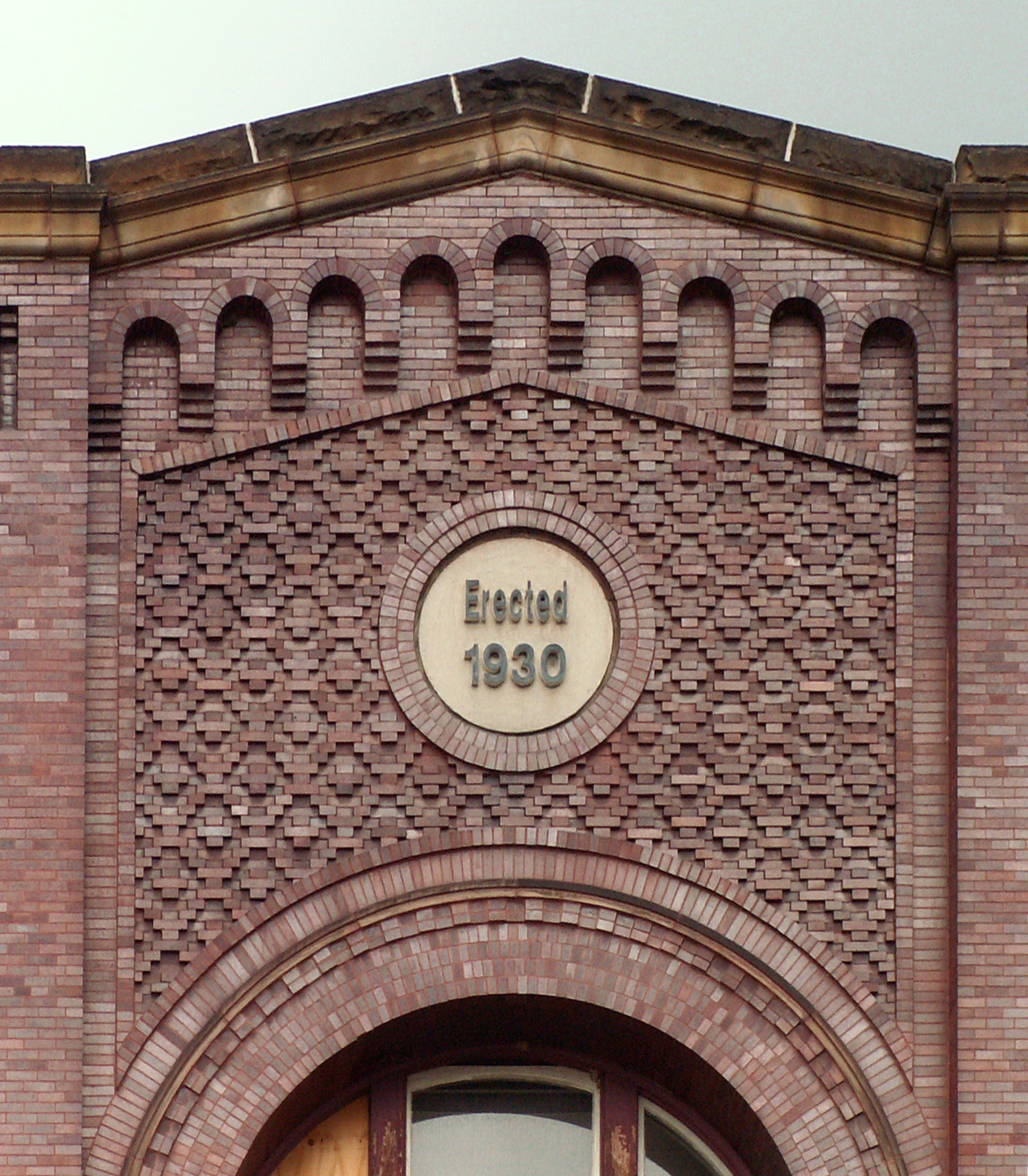
Some of the old Heinz factory buildings have been turned into loft apartments, and some are still awaiting their next use. The H. J. Heinz Company was a kind of workers’ paradise when old H. J. himself ran it—there was never a strike, never a wage reduction; medical care was free; there was a library and a gymnasium, free concerts for everyone in the auditorium, and even free manicures for the women. Heinz was also notorious for pushing for federal food regulations when the rest of the food industry was fighting them tooth and nail. It was probably just the way old H. J. was constituted, but it was also priceless publicity: would you rather buy food from the company that fights federal oversight or the company that flings wide the doors and welcomes the inspectors?




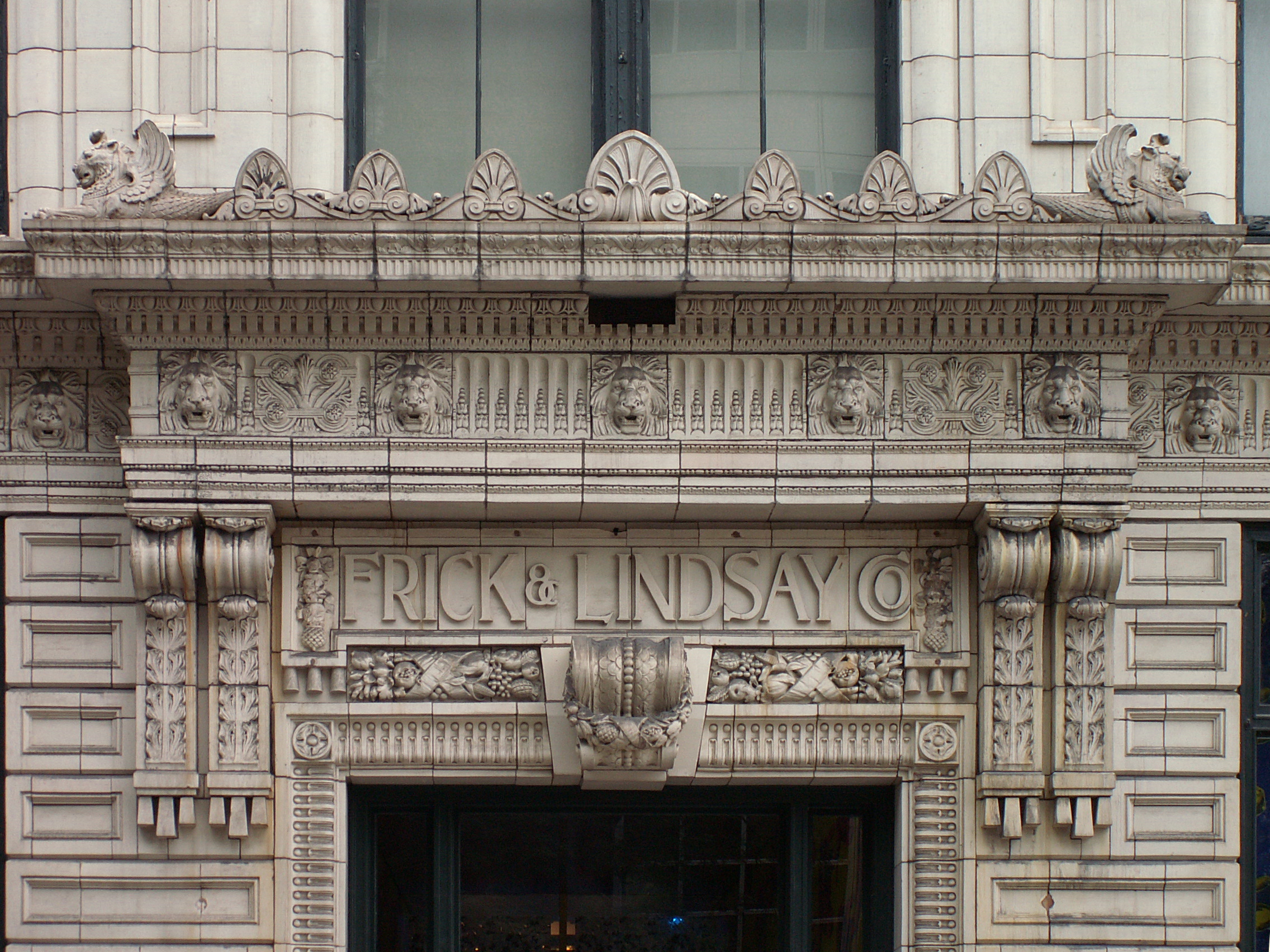
Pittsburghers who remember the days before we had the largest museum in the world dedicated to a single artist will remember this as the Volkwein’s building, which housed one of the largest music stores in North America. (Volkwein’s moved to the western suburbs, where the tradition of carrying more music than anyone else continues.) But it was built as a warehouse for the Frick & Lindsay Company, a purveyor of “industrial supplies.” If warehouses were commonly as splendid as this, there would be regularly scheduled tours of the warehouse district.
No one knows who designed the original building, but in a Post-Gazette article from 1993 (when the building was under restoration), Walter Kidney suggests the William G. Wilkins Co. (Update: We have confirmed that the William G. Wilkins company were the architects.1 Specifically, the building seems to have been designed by Joseph F. Kuntz, who did all the architectural work for Wilkins, who was an engineer.) The details were originally in terra cotta, but the cornice had been entirely removed and other details were damaged. During the restoration, the cornice and some of the other decorations were reconstructed in glass-reinforced concrete from photographs, records, and imagination.
The Frick of Frick & Lindsay was William Frick, a distant relative of the famous robber baron Henry Clay Frick.


Big Heart Pet Brands is the former pet-food division of Del Monte. You know the names of many of their products from endless television commercials. This attractive, though rather pedestrian, building on the North Shore is the Eastern offices of the company, which is based in San Francisco; it’s a good example of the transformation of the North Shore in the last two decades.

From Motion Picture World, 1912.
Father Pitt does not know the exact location of either of these establishments. The fact that the Casino was remarkable for having been in the same place for eight years shows how temporary these early theaters often were. Pittsburgh, of course, invented the movie theater, and by 1912 no neighborhood was complete without one. The larger ones, like the Casino below, also booked vaudeville acts.
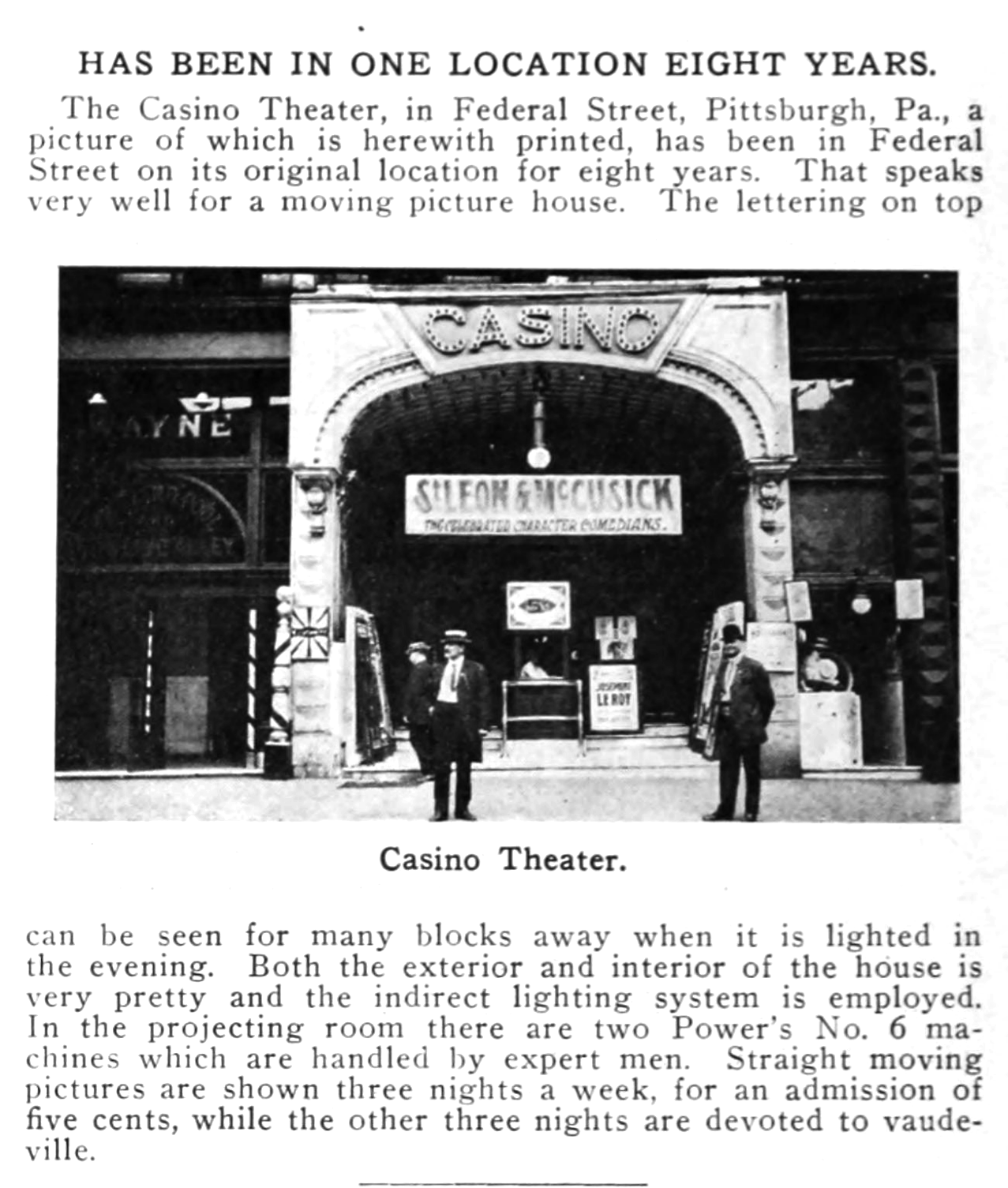
From Motion Picture World, 1912.

Another view of the Allegheny station, this time from the Carnegie Science Center. A rush-hour two-car train is waiting on the platform.
The subway is free all the way from here under the Allegheny and through to First Avenue on the other side of downtown Pittsburgh. The extension of the free zone to the North Side is sponsored by the Stadium Authority and the Rivers Casino, so old Pa Pitt cannot in good conscience say that gambling never did anything for him. He still has never set foot in the casino, but he is grateful for the free ride.

Two rush-hour two-car trains wait at the Allegheny station, which is the end of the Red and Blue Lines until somebody gets to work on the next extension toward the airport.

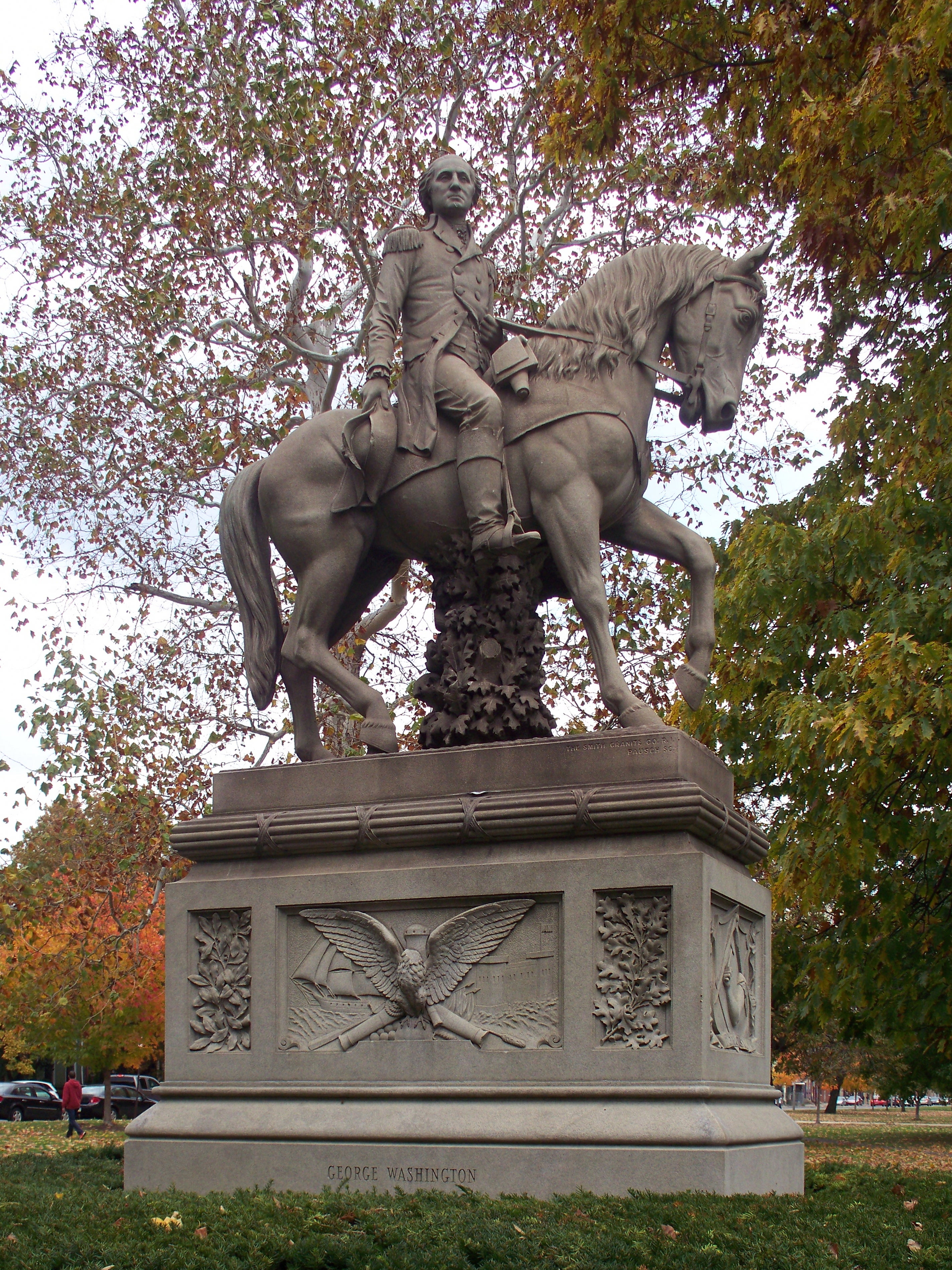
Sculptor Edward Ludwig Albert Pausch designed this equestrian statue, which was unveiled to great fanfare in 1891. It depicts young Colonel Washington, aged 23, as he appeared when he visited the future site of Pittsburgh and nearly drowned himself in the Allegheny. This is apparently known as Pausch’s masterpiece.

If you enlarge the photo above, you will notice that, at the upper right, the name of the Smith Granite Company comes before the sculptor’s name in the signature.
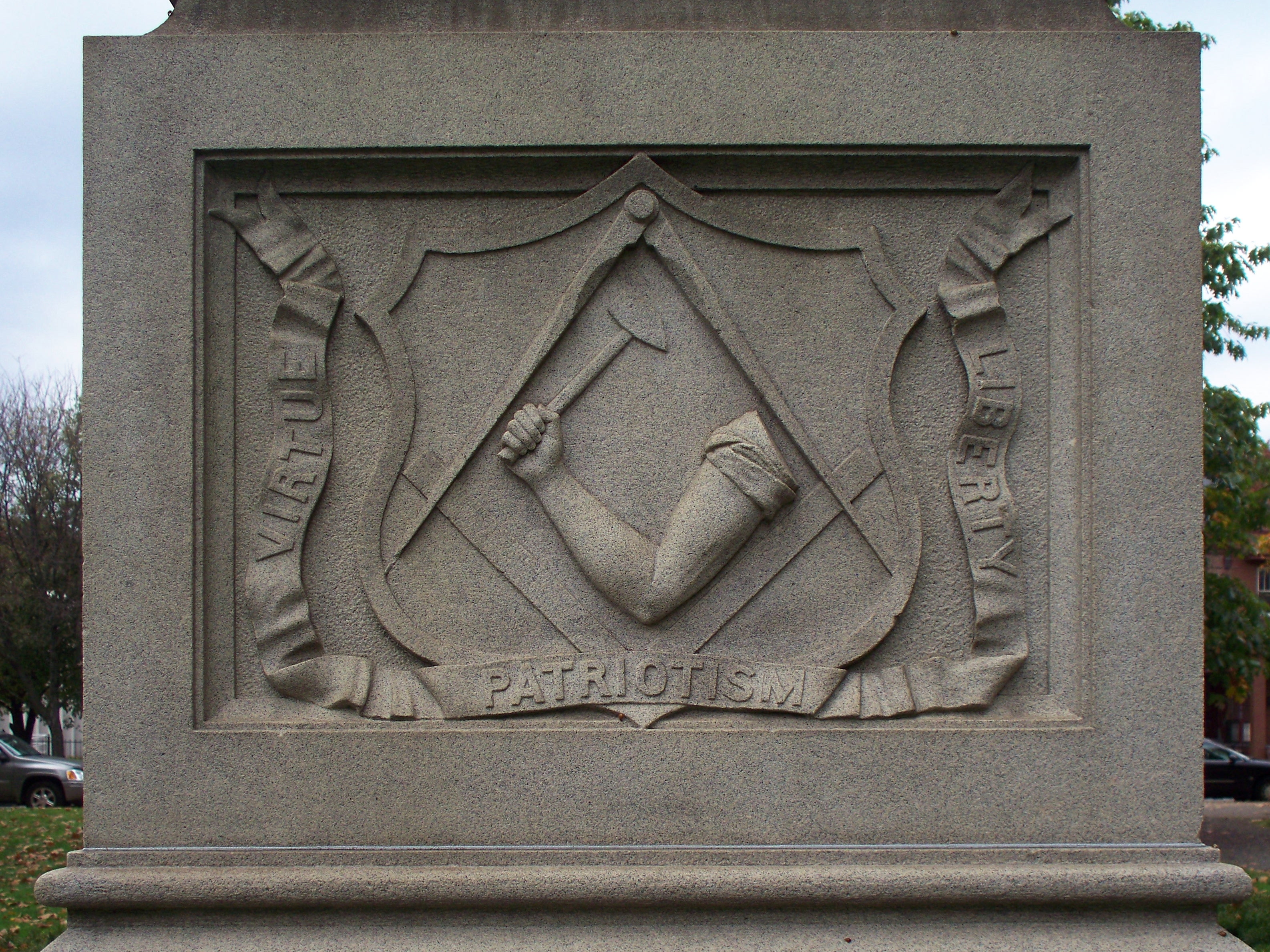
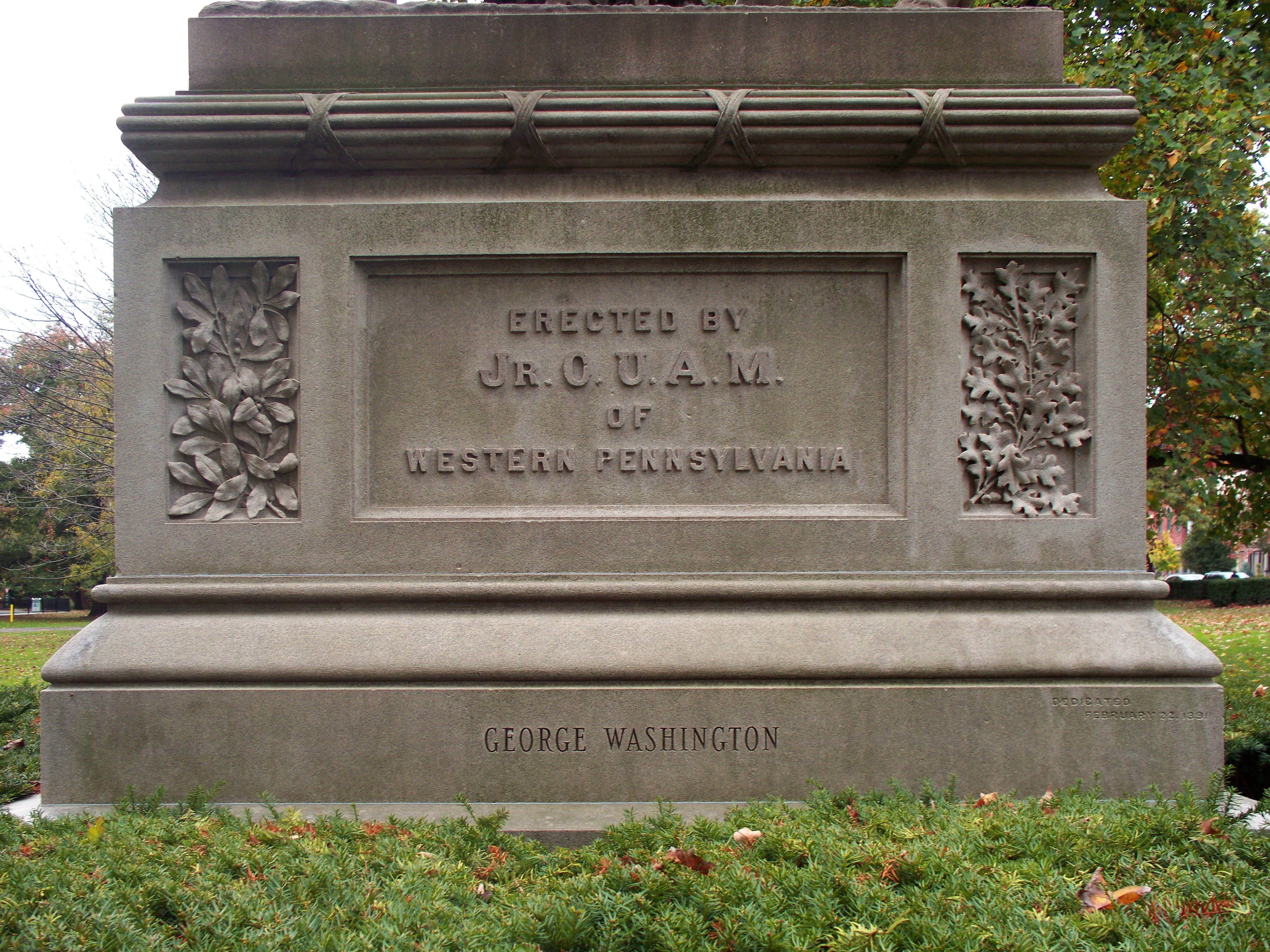
The monument was commissioned by the Junior Order of the United American Mechanics.

