
-
Chimney Pots in Shadyside

-
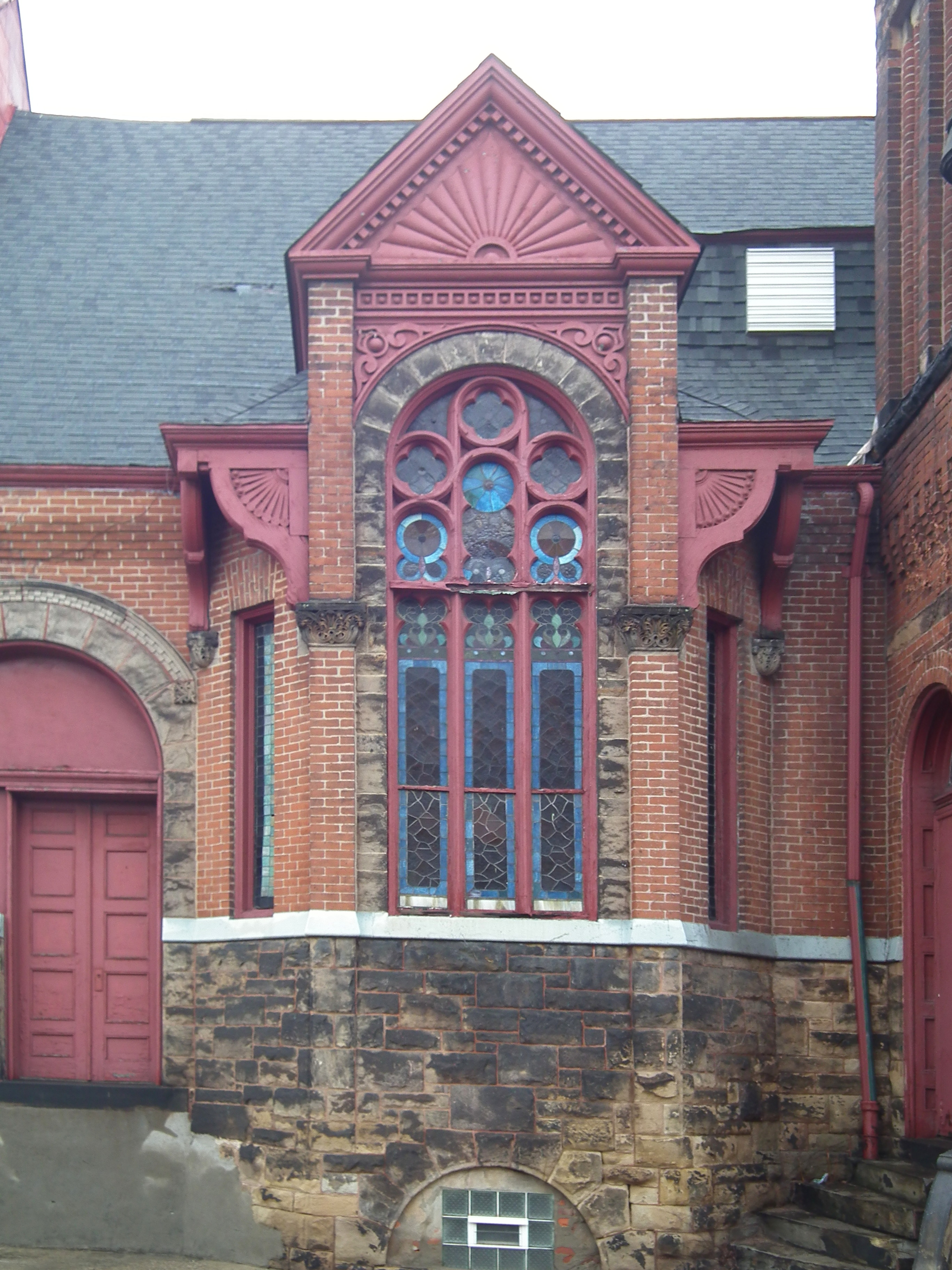
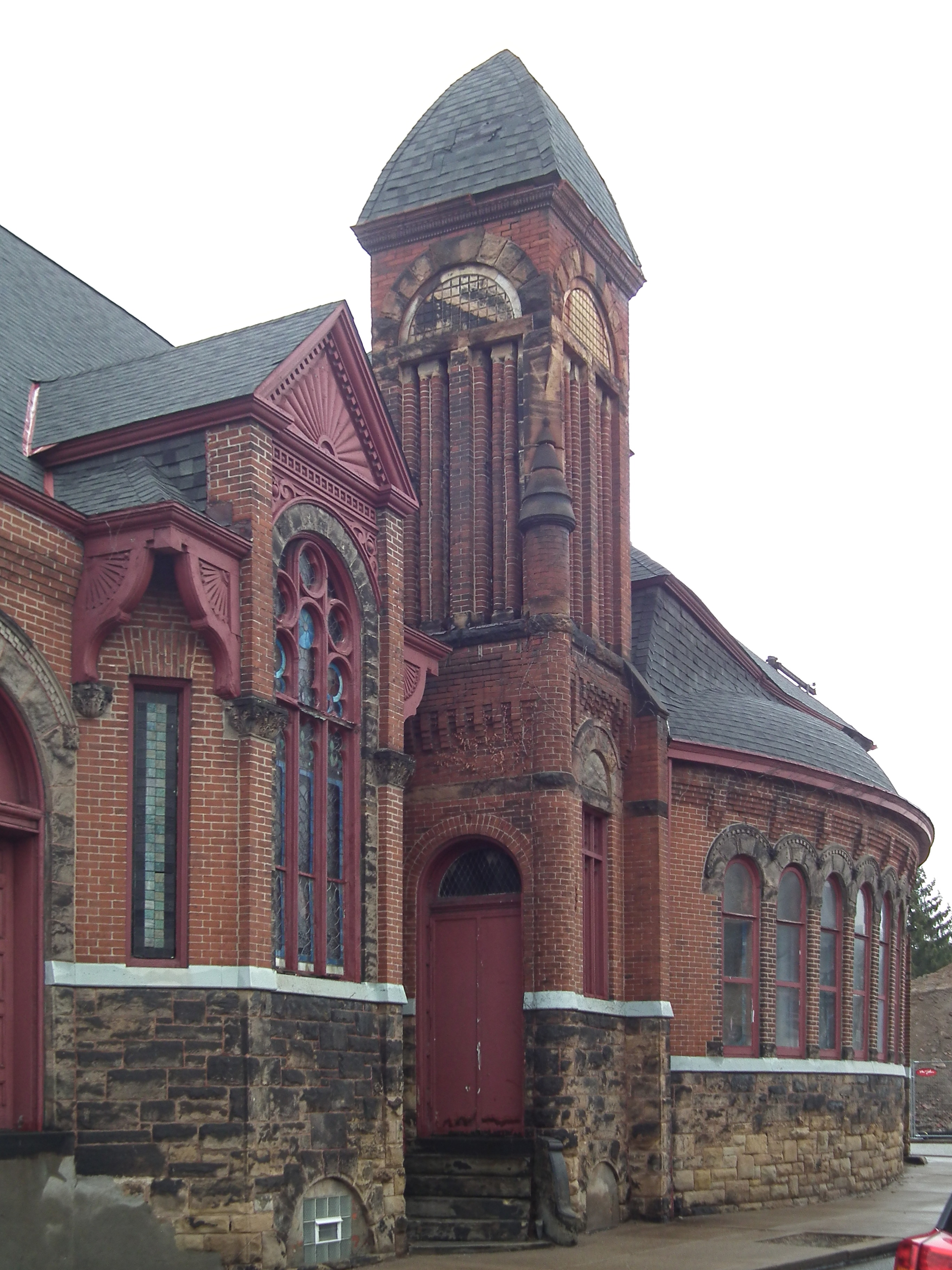
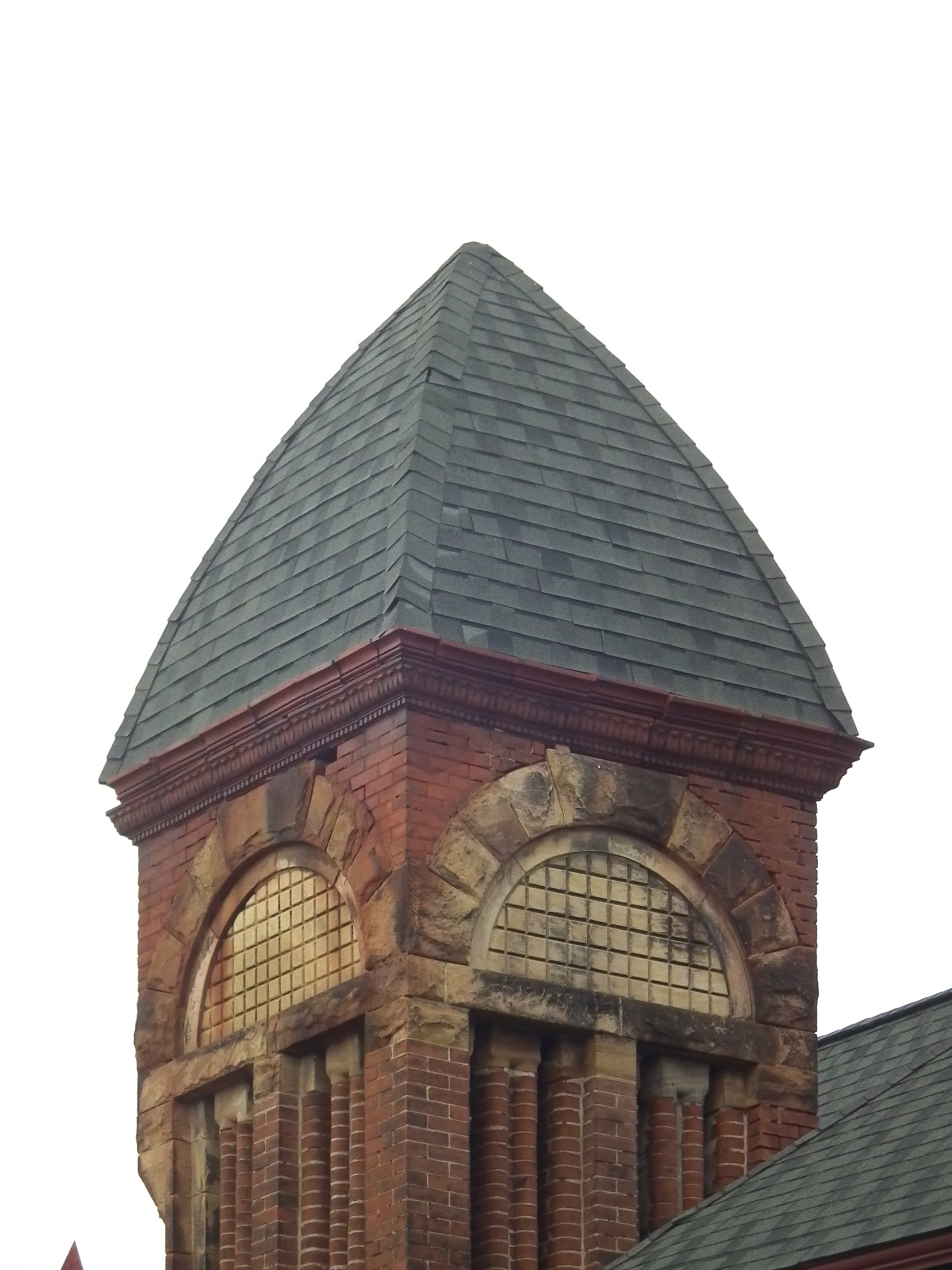
Shady Avenue Cumberland Presbyterian Church

Update: This church was demolished in August of 2023.
Now known as Shady Avenue Christian Assembly, after having spent many years as Shady Avenue Presbyterian Church (without the “Cumberland”).
Just down the street from the huge and spectacular Calvary Episcopal and Sacred Heart Catholic churches, each the size of many a cathedral, this 1889 church is likely to pass unnoticed. Once you do notice it, though, you will not stop noticing it. It is a bravura performance in a sort of Queen Anne Romanesque style by a Victorian architect who was about 22 years old at the time, and who was not afraid to pull out all the stops and stomp on the pedals for all he was worth. An entire issue of the East Ender, the East End Historical Society’s newsletter, was devoted to the architect, T. C. McKee (PDF), and we take all our information from Justin P. Greenawalt with profound gratitude for his research.
Thomas Cox McKee (usually known as T. C. McKee) was apprenticed to architect James W. Drum. But in 1886, when young McKee was still only 20, his master was run over by a freight train. Instead of looking for another apprentice position, McKee went out on his own and seems to have been successful right away. He later built a comfortable practice designing homes for the wealthy and small to medium-sized commercial buildings, along with at least one prominent school (the Belmar School in Homewood, still standing). Then, in 1910, he threw it all away and went to Cleveland, where he took odd jobs until he settled down as a designer of soda fountains. No one seems to know what happened, although Mr. Greenawalt’s article hints that it might have had something to do with McKee’s constitutional extravagance.
That extravagance comes through in every detail of this building. In the age of modernism, this sort of thing was dismissed as a bunch of Victorian noise, but the masses are balanced to form interesting compositions from every angle.

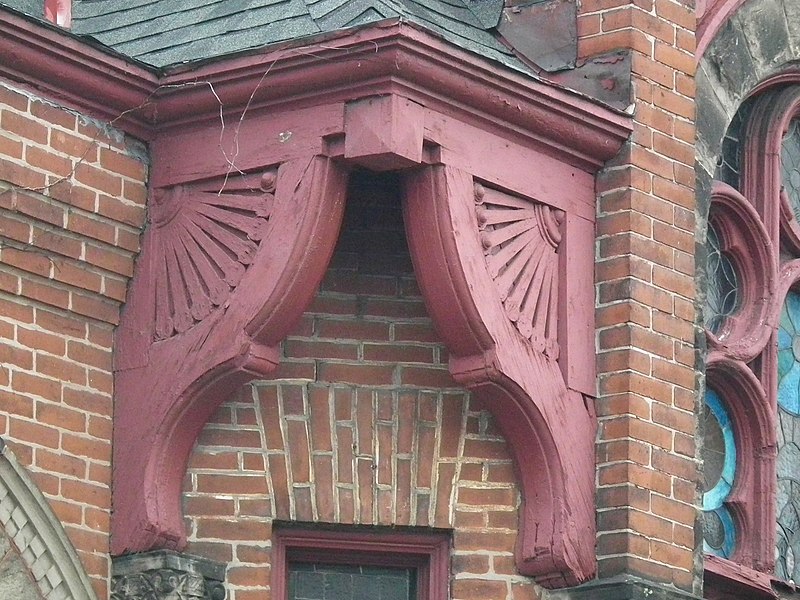
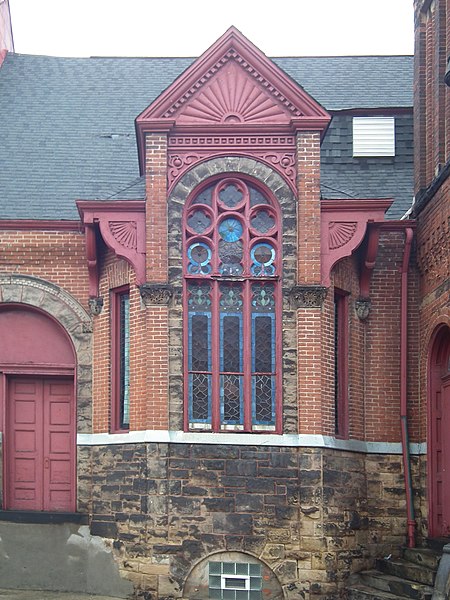
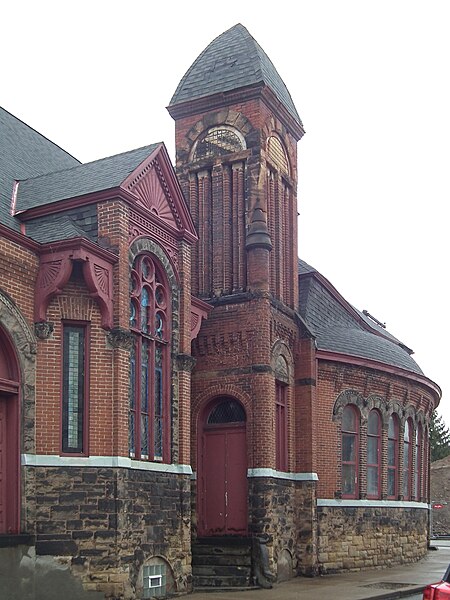


The much more conventional 1911 addition (although even it is a little bit fantastical) was designed by Rodgers & Minnis. Below we see it across the pile of dirt that used to be Shady Hill Center until the property became too valuable to host a suburban-style strip mall.

Map.
-
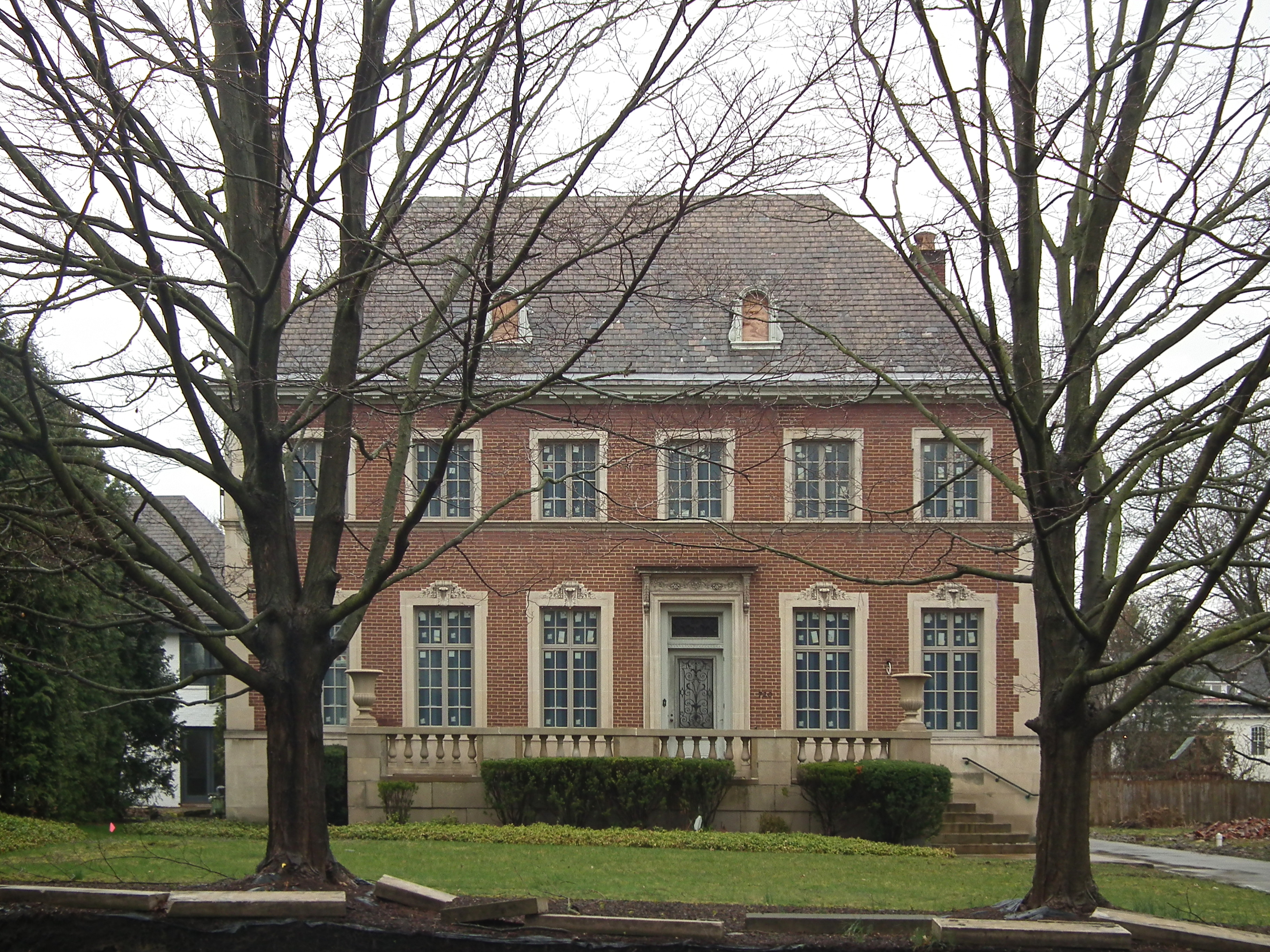
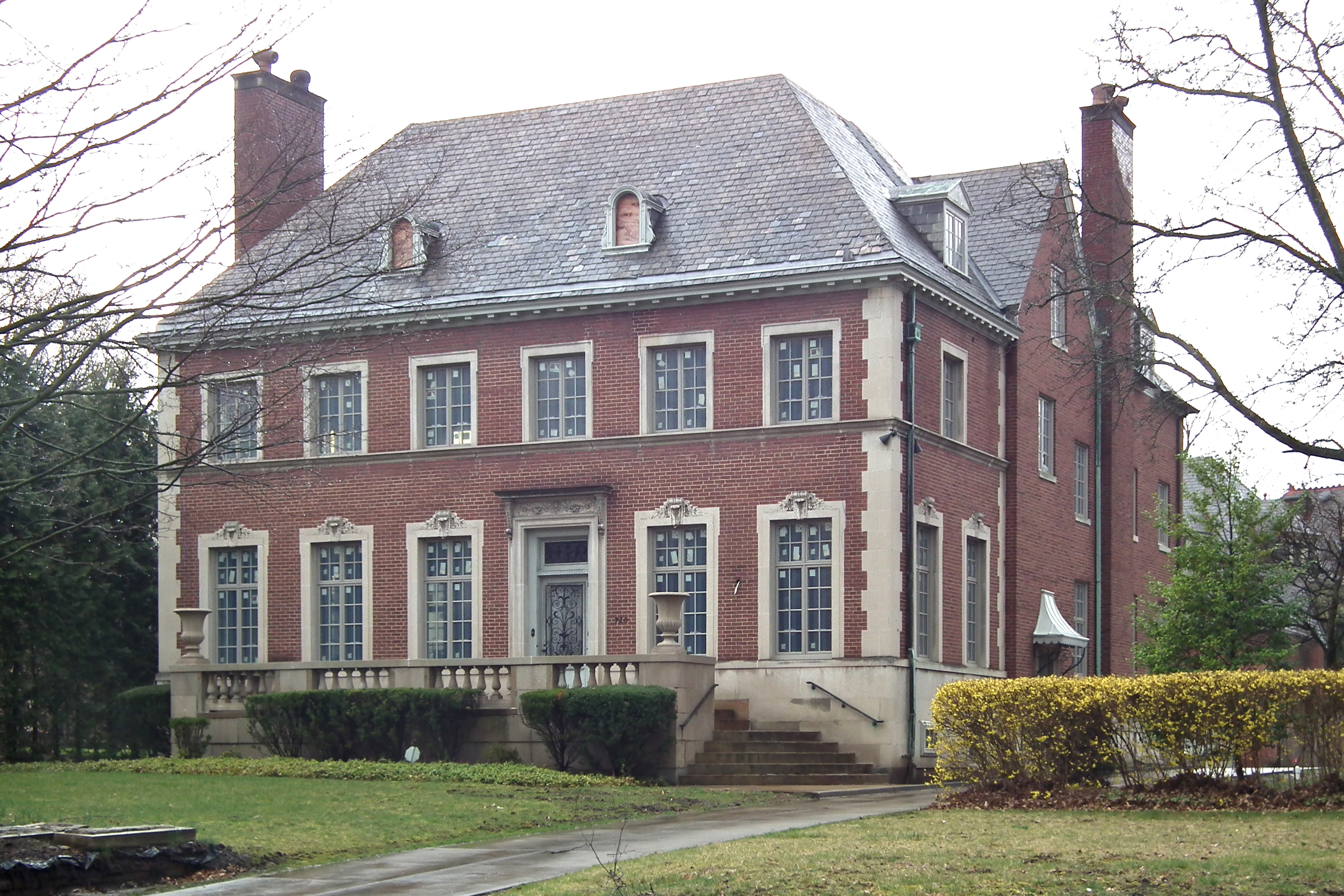
Georgian Mansion in Shadyside
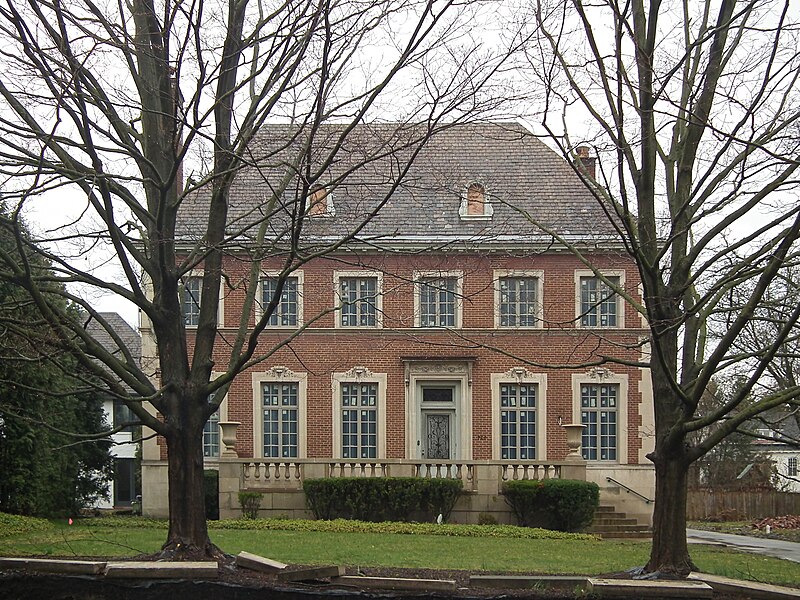
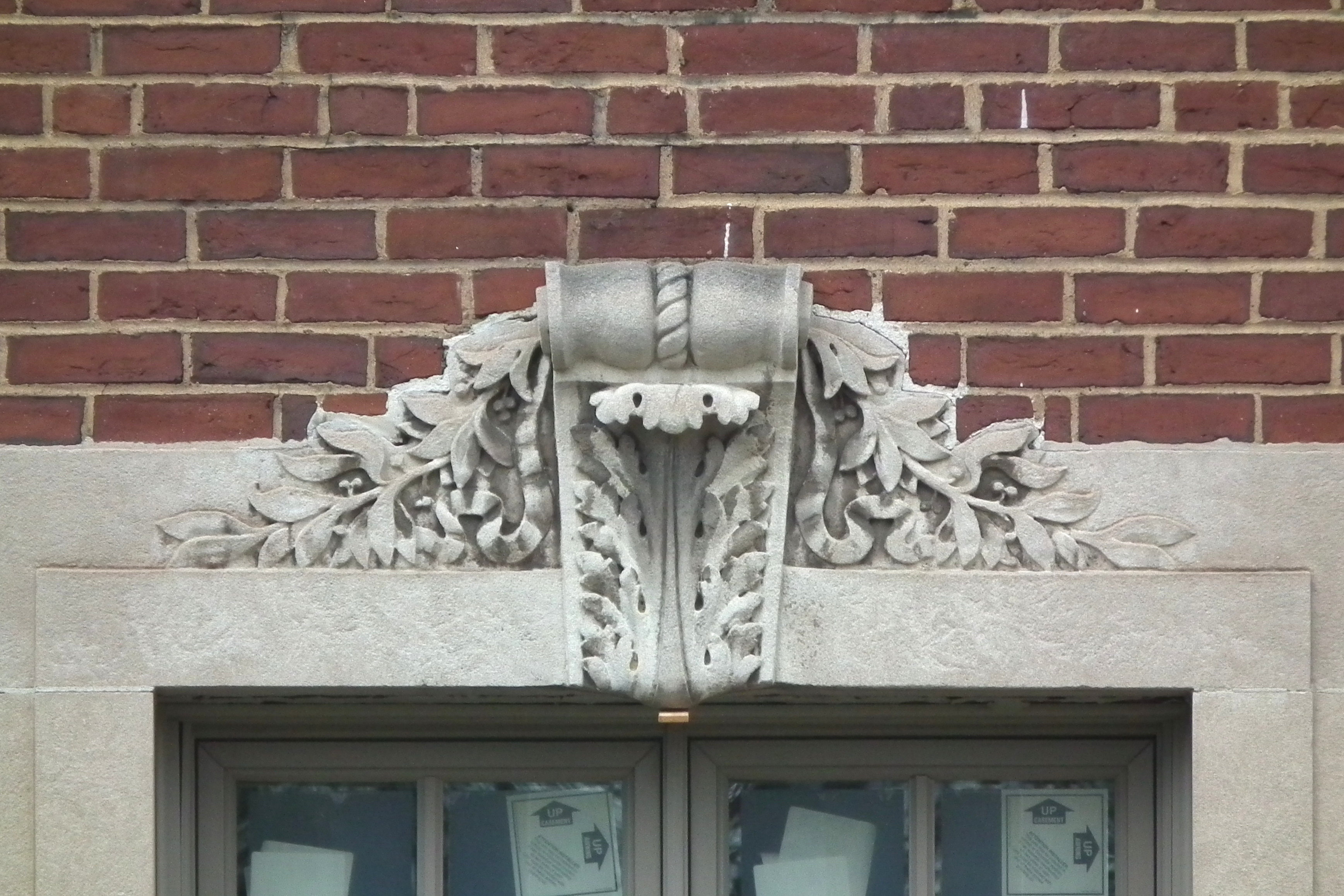
A large house that probably dates from the 1920s, with a recent expansion in the rear; it was getting all new windows when old Pa Pitt took these pictures.

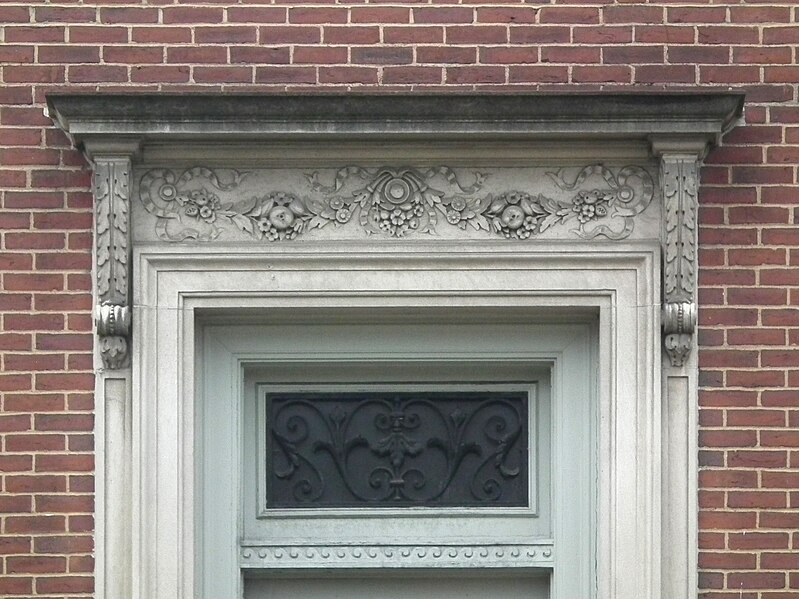
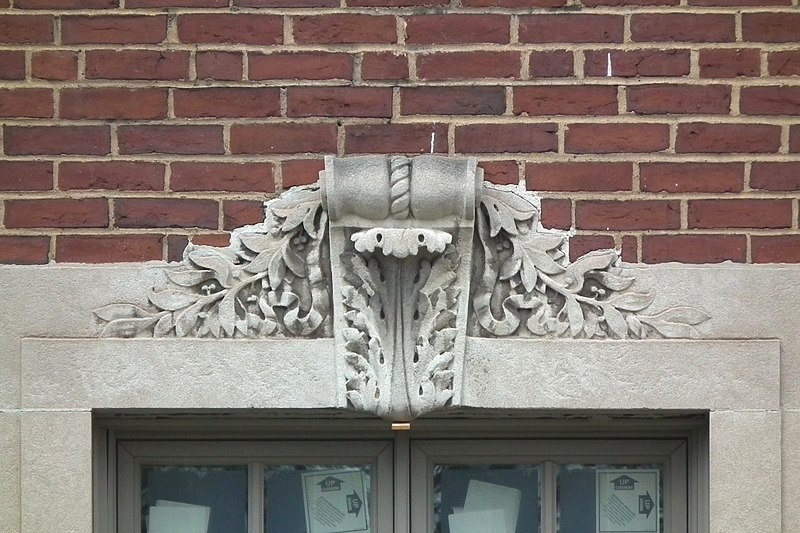

A “virtual tour” from a year ago, when the house sold for a little less than two million, shows a computer simulation of a thoroughly modernized interior.
-
Centre Court Apartments, Shadyside

A simplified Italian Renaissance style, with the ornamentation kept to the minimum. Note the variant spelling of the name on the nameplate over the entrance: when this apartment block was put up, the spelling of Centre Avenue had not been standardized to the British spelling preferred by real-estate developers.

-
The Ambassador, Bloomfield
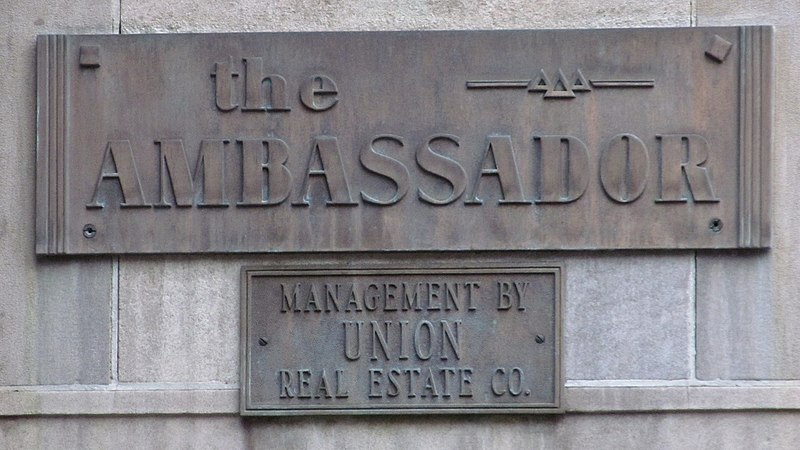

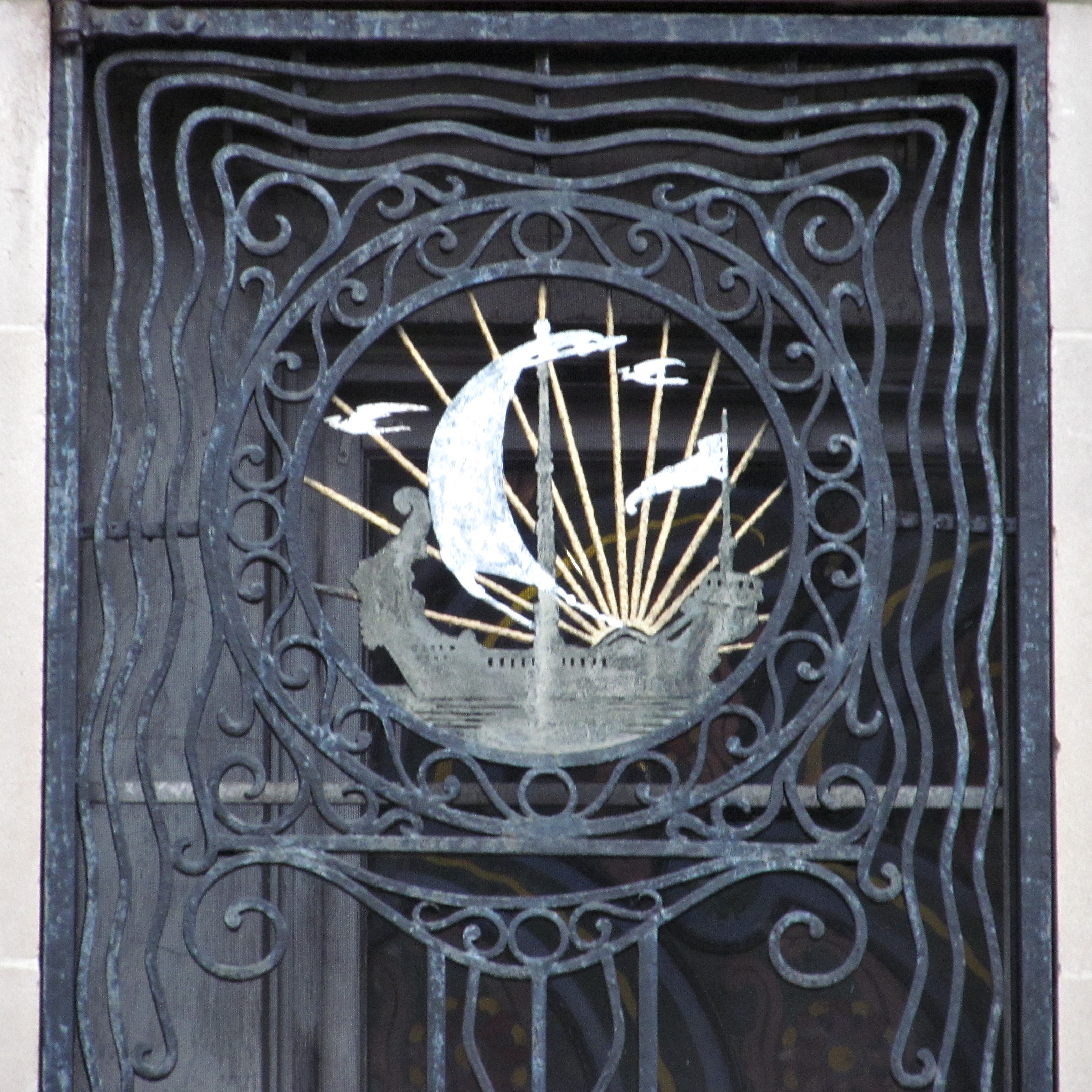
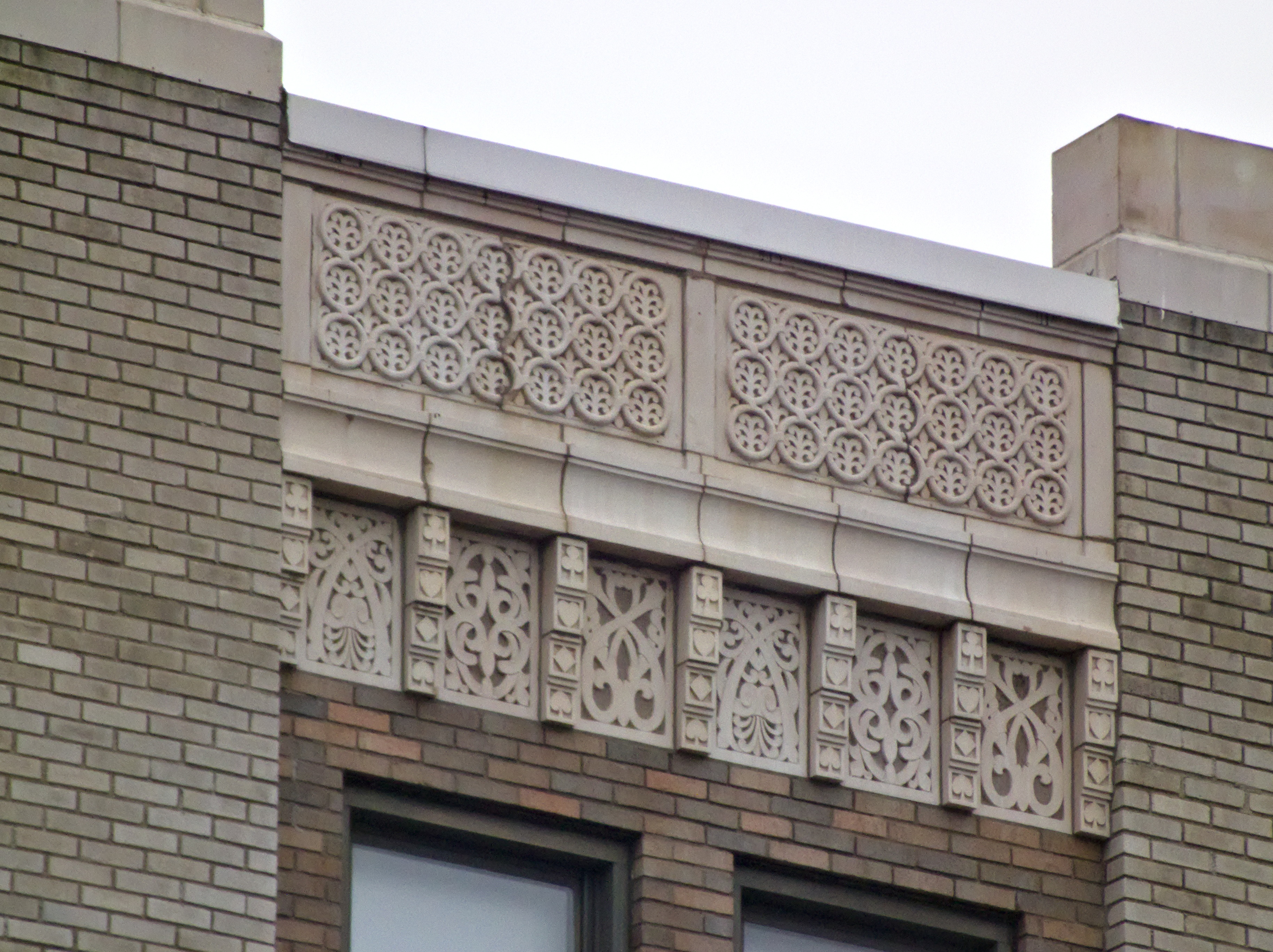
This Art Deco apartment block was built in 1928 or shortly after. At first glance it looks like a simple rectangular modernist box, but a second glance reveals some rich decorative details.
The building is on Centre Avenue, which is a neighborhood border on city planning maps; thus it is technically in Bloomfield, but most Pittsburghers would probably say Shadyside.

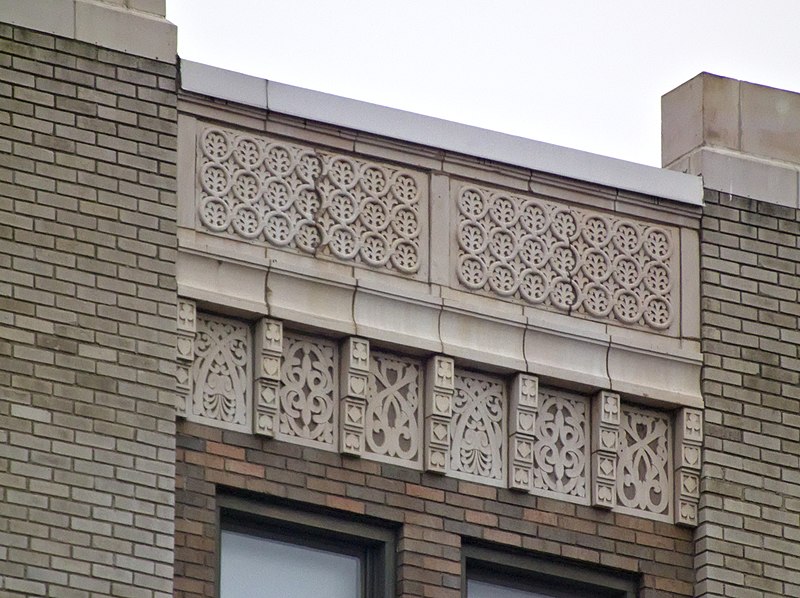
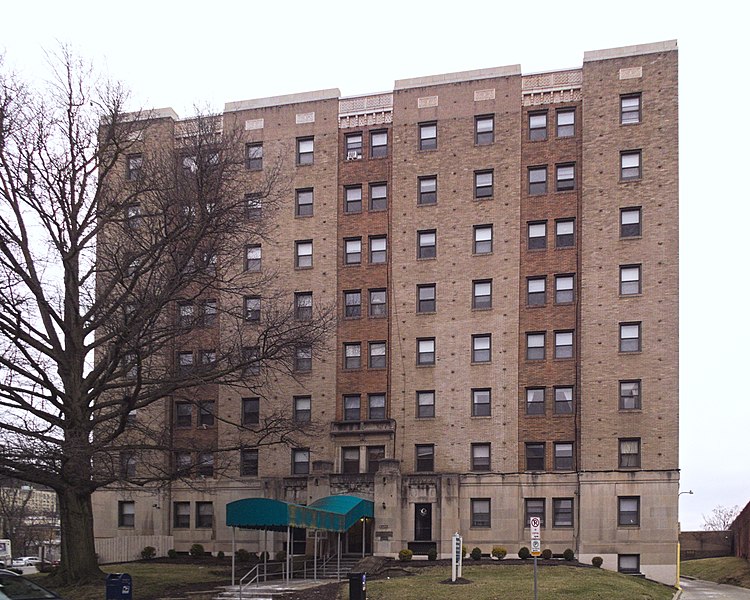

Addendum: The architects were Marks & Kann, according to the Charette, the magazine of the Pittsburgh Architectural Club.
-
Hampshire Hall, Shadyside
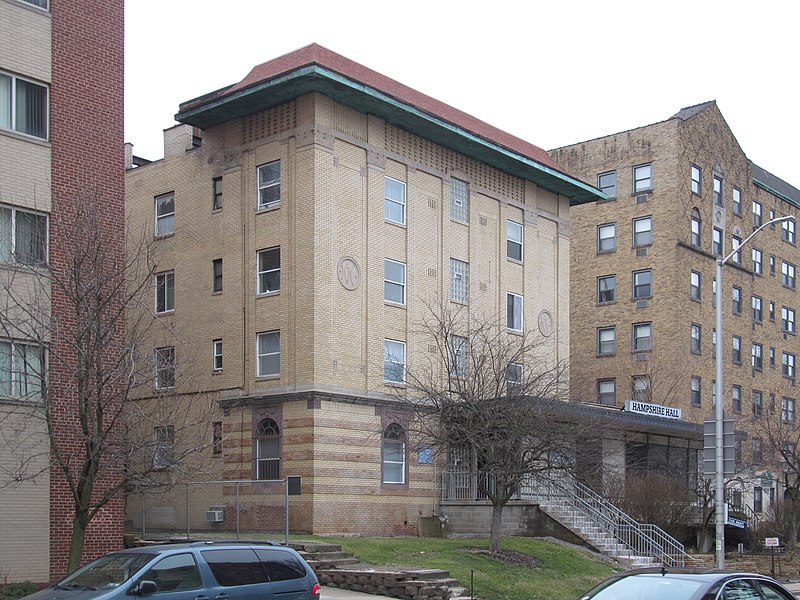
Addendum: This was originally called Haddon Hall, and it was built as a hotel, or at least it was a hotel early in its history. We now have a picture of Haddon Hall in 1929, before the modernist growth on the front.
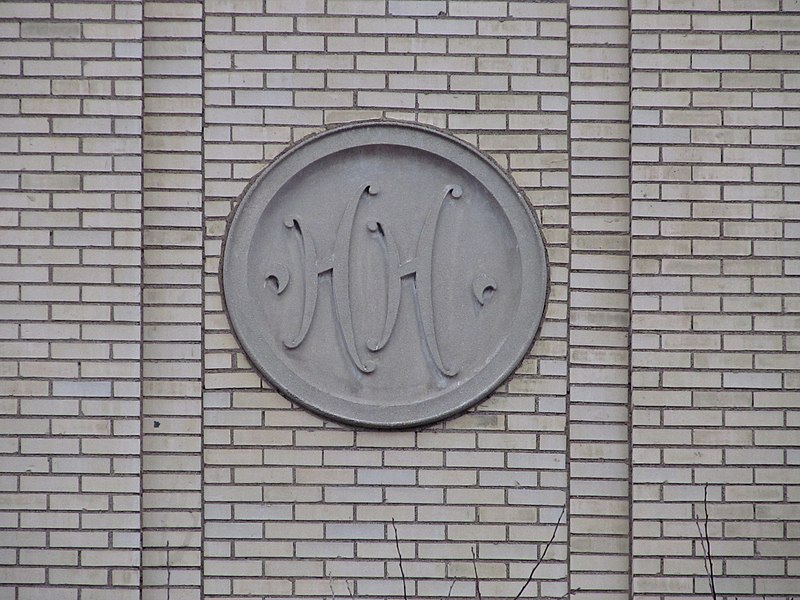
This is a distinctive building, and old Pa Pitt searched almost fifteen minutes for the architect without success. He would be delighted if someone could tell him who designed this little outcropping of dignified Art Nouveau. Father Pitt might suspect Kiehnel and Elliott as the architects most likely to be working in this style in Pittsburgh, but that is nothing more than a wild speculation.

The glass-block windows in the front stairwell were probably stained glass when the building opened, and we can hope that those windows are preserved in a private collection somewhere.
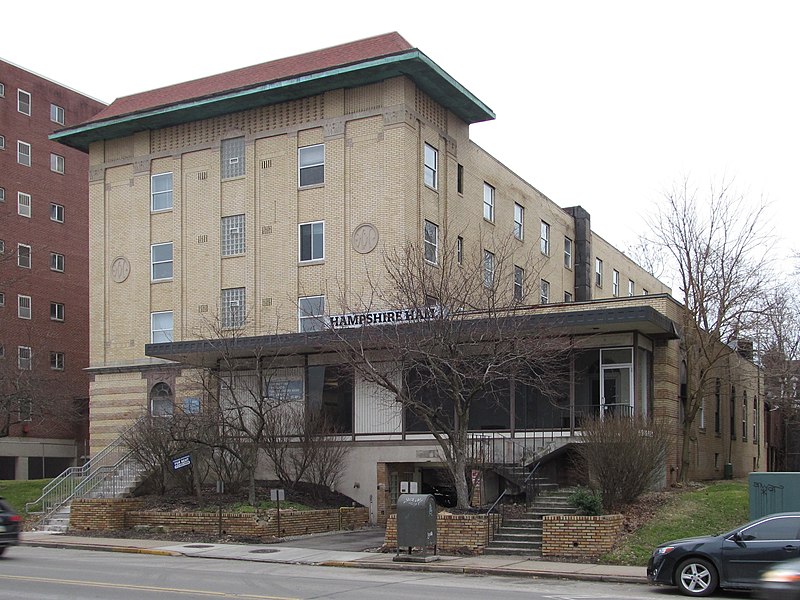
The modernist addition on the front is not as delightful as its architect probably hoped it would be. It was probably put there in about 1961: a newspaper ad from December 22, 1961, promotes the Walt Harper Quintet’s appearance at the “newly remodeled Haddon Hall Lounge.” (In an earlier version of this article, Father Pitt wrote, “It appears to be a glass enclosure for what was once an elegant verandah.” That was wrong: old photos from before the remodeling show no verandah.)


-
The Liberty Elementary School, Shadyside

A school built in 1911 in the fashionable Tudor Gothic style. The elegant lettering of the inscription is worthy of imitation.

-
Apartment Building on Negley Avenue, Shadyside
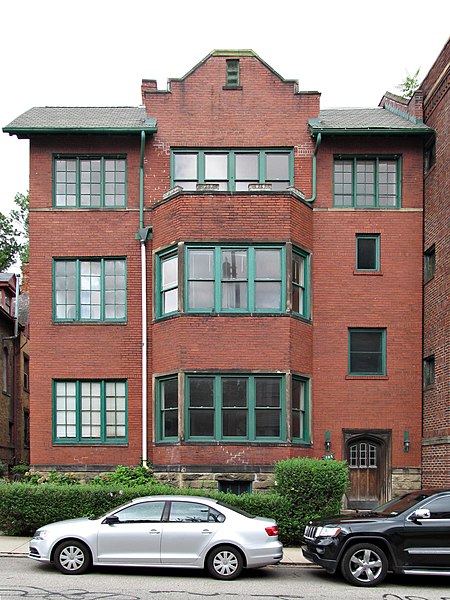
A small apartment building in a vernacular Tudor style; its battlemented bay sets it apart from other apartment buildings in the neighborhood.

Addendum: This building, to judge by old maps, appears to have been a large-scale expansion of a single-family house, which was swallowed up in the new construction. Thanks to a commenter, we tentatively identify the apartment building as a design by Henry M. Kropff, built in 1912.
-
Rounded Corners in Shadyside

Updated update: Our correspondent David Schwing has been studying the career of the developer John McSorley. See his comment below, where he identifies these as two of McSorley’s buildings. The one for which old Pa Pitt could not find a name is called the Ontario. The architects were the Chicago firm of Perry & Thomas.
The intersection of Maryland and Ellsworth Avenues in Shadyside is flanked by apartment buildings with distinctive rounded corners. Above, the Panama. Below, a building that must have looked very modern when it was put up (in the original version of this article, we said “probably around 1920,” but it turns out to have been 1911, which makes it even more strikingly modern); it seems to have no name but its addresses. (Addendum: It was originally called the Ontario.)

-
Domestic Stained Glass in Shadyside
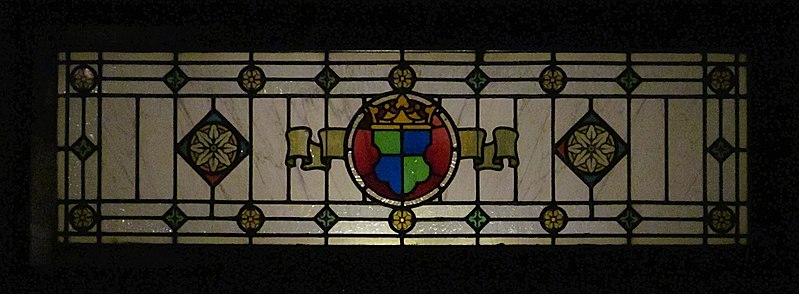
Some stained glass illuminated from the inside. Above: over the entrance to the Brayton apartments.

In a parlor window.

The entrance to a Tudor apartment building on Negley Avenue at Walnut Street.