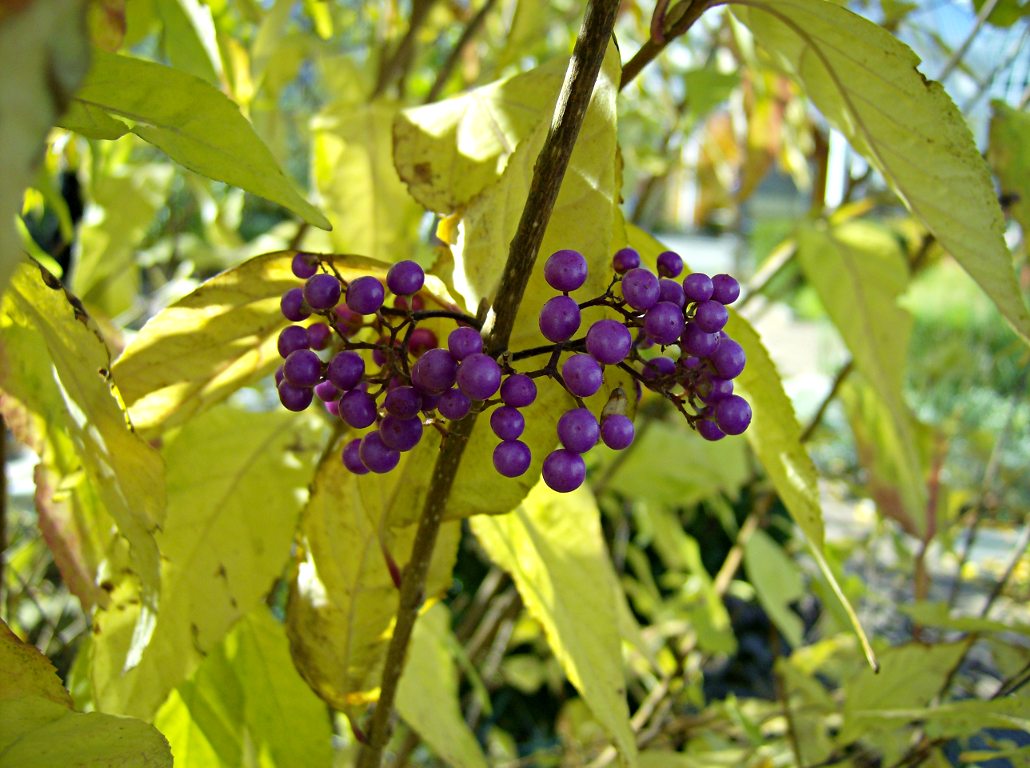
In the fall, the bright purple berries of this East Asian bush make a stunning contrast to the chartreuse-yellow leaves. This plant was growing in the Discovery Garden at Phipps Conservatory.
Phipps keeps a huge stock of orchids in the growing houses behind the public conservatory, so the orchid house is always filled with blooming orchids, no matter what the season.
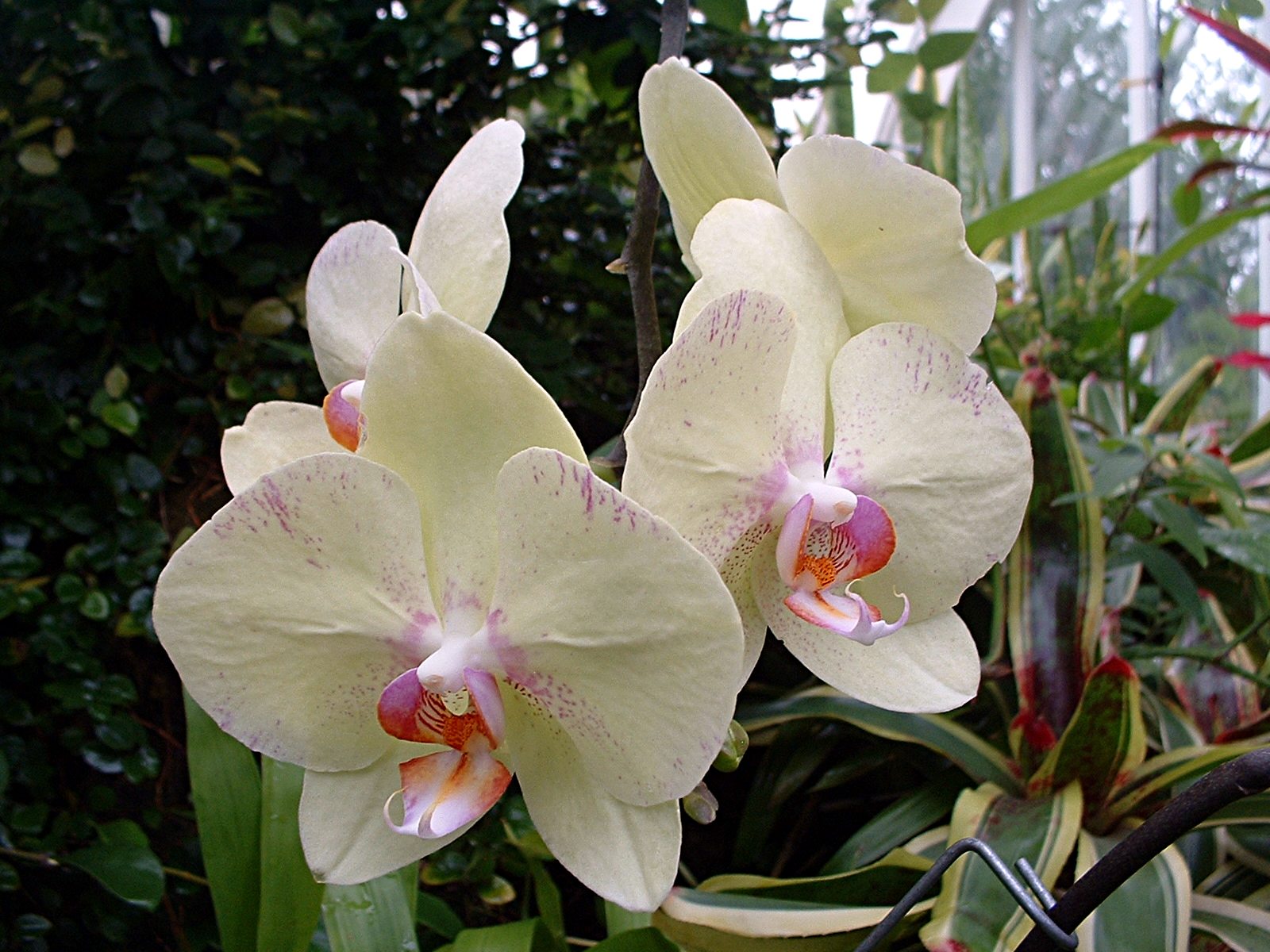
A Phalaenopsis hybrid.
—
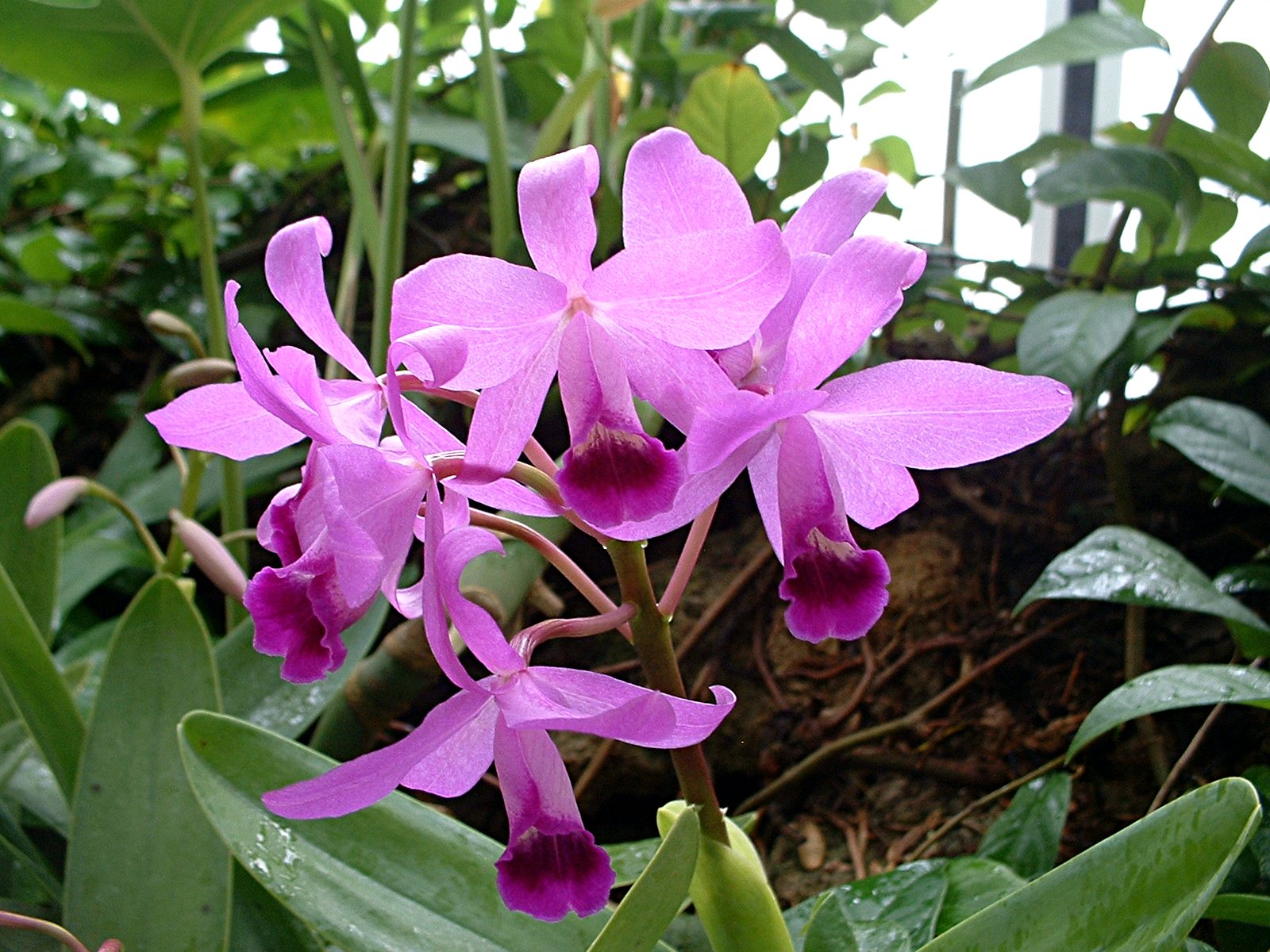
Guarianthe bowringiana, formerly Cattleya bowringiana. Father Pitt has always suspected that, if the people who have put themselves in charge of orchid taxonomy were turned loose on the canine world, the domestic dog would be classified as hundreds of separate species within dozens of distinct genera.
—

Brassolaeliocattleya Mem Helen Brown × Verdant Venture ‘Richard’: three different genera (Brassavola, Laelia, and Cattleya) are represented in the ancestry of this specimen. (When they get to four genera, the breeders stop trying to combine the names of the genera and just make up a new name.)
—
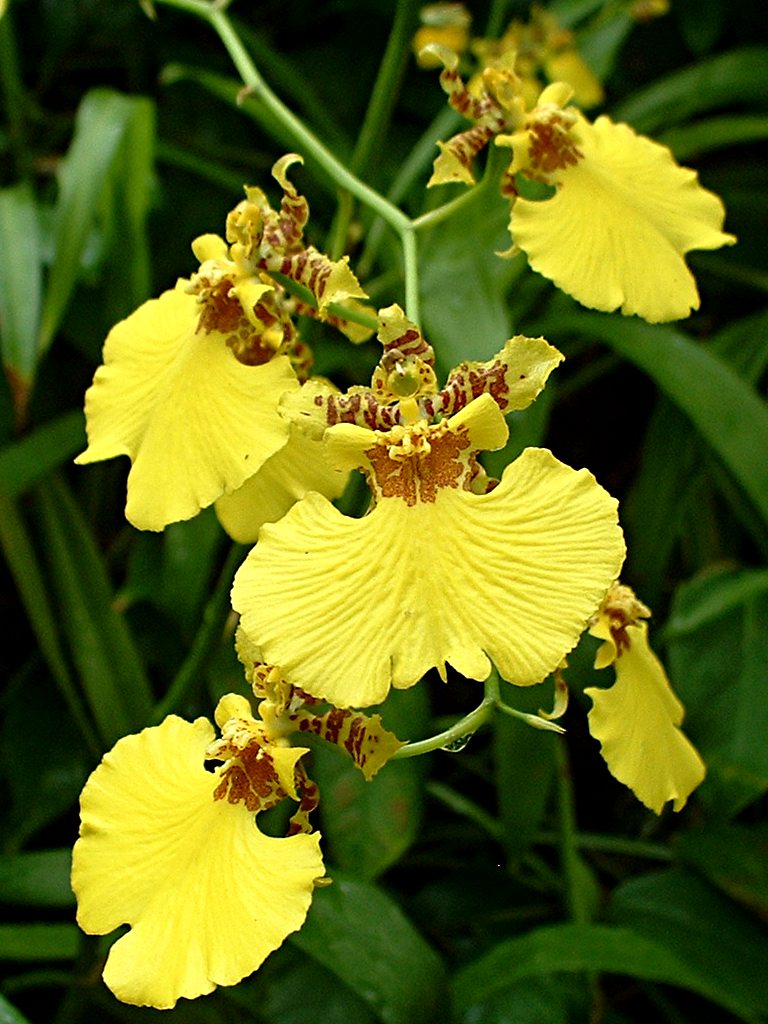
An Oncidium of some sort (old Pa Pitt couldn’t find the tag).
—

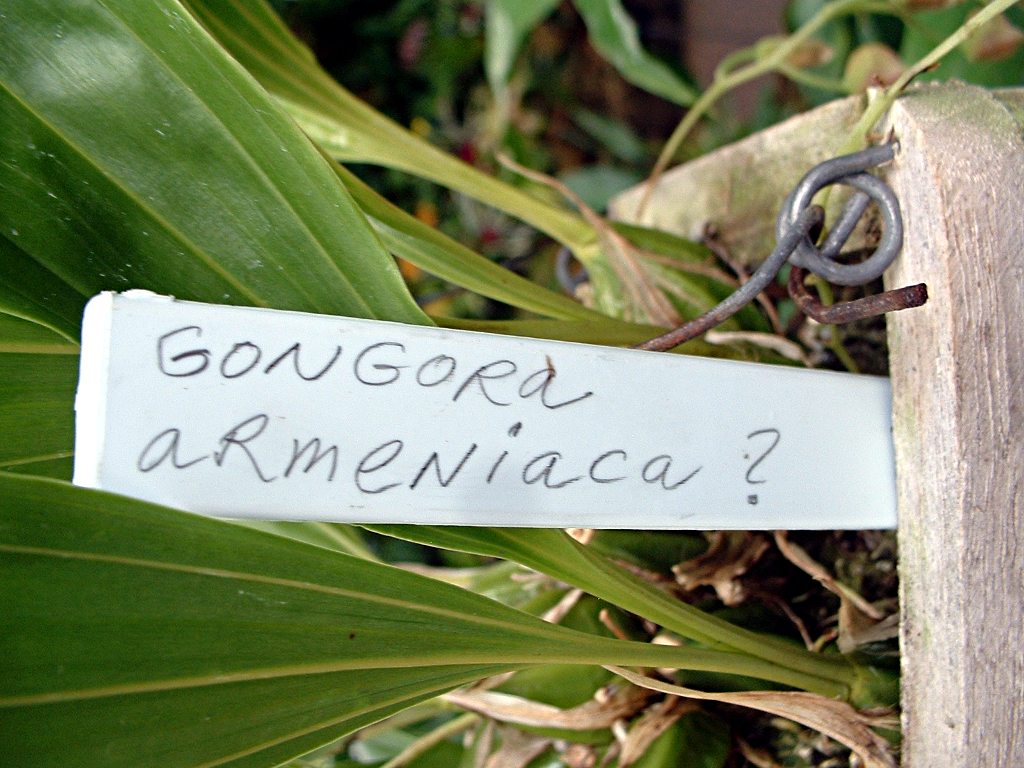
Are you stumped by this one, orchid lovers? Don’t worry. Sometimes even the experts aren’t sure:
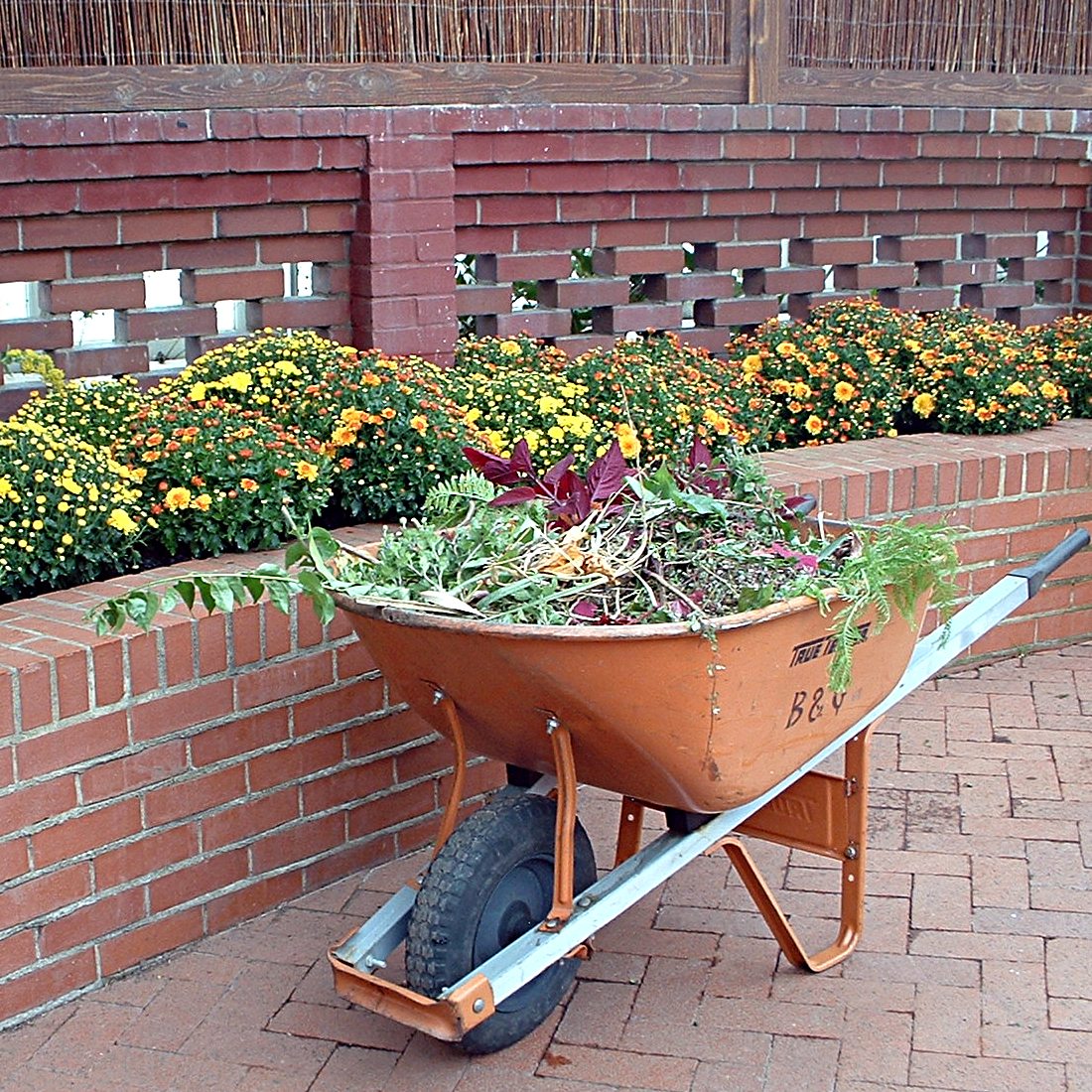
The Fall Flower Show opens October 13 at Phipps Conservatory. Traditionally it’s a big deal, and right now the glasshouses are full of carts and wheelbarrows rushing hither and yon. Here in the Serpentine Room, new mums have already gone in behind a wheelbarrow taking away some of the debris from the previous planting.

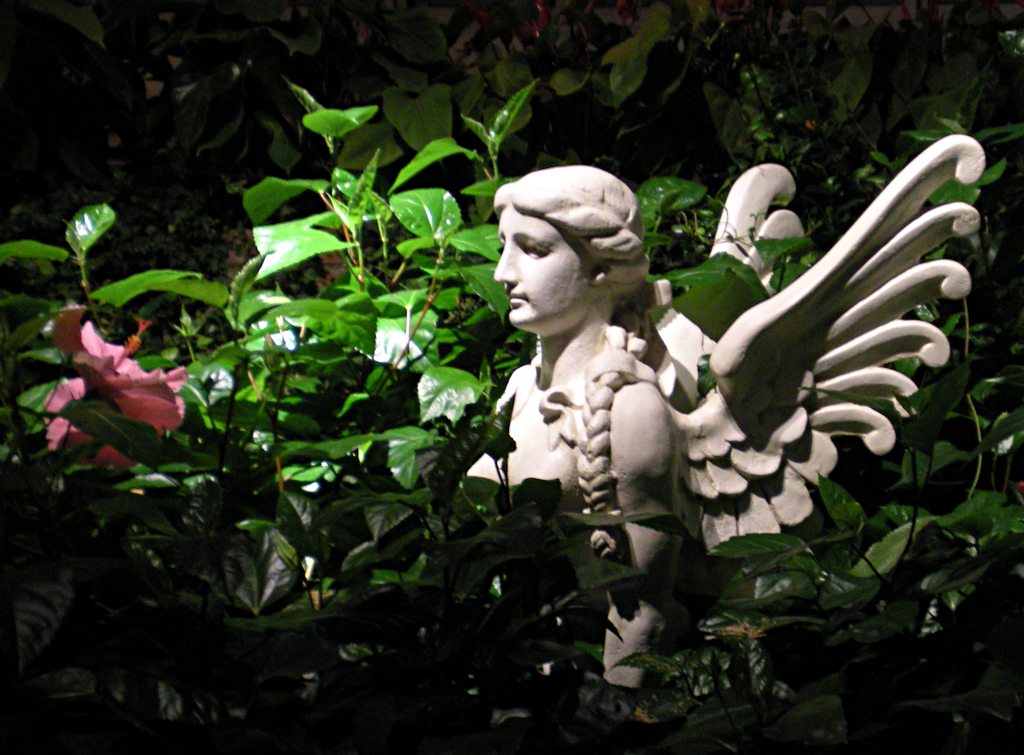
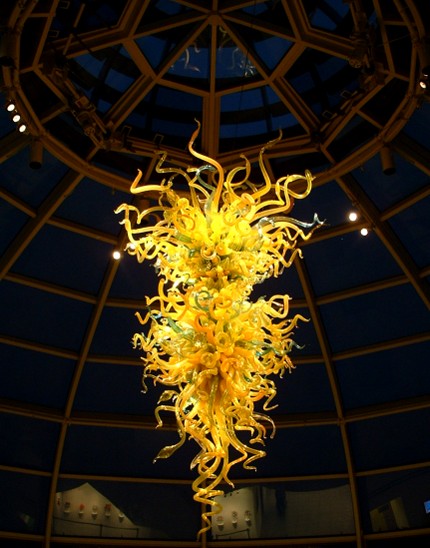
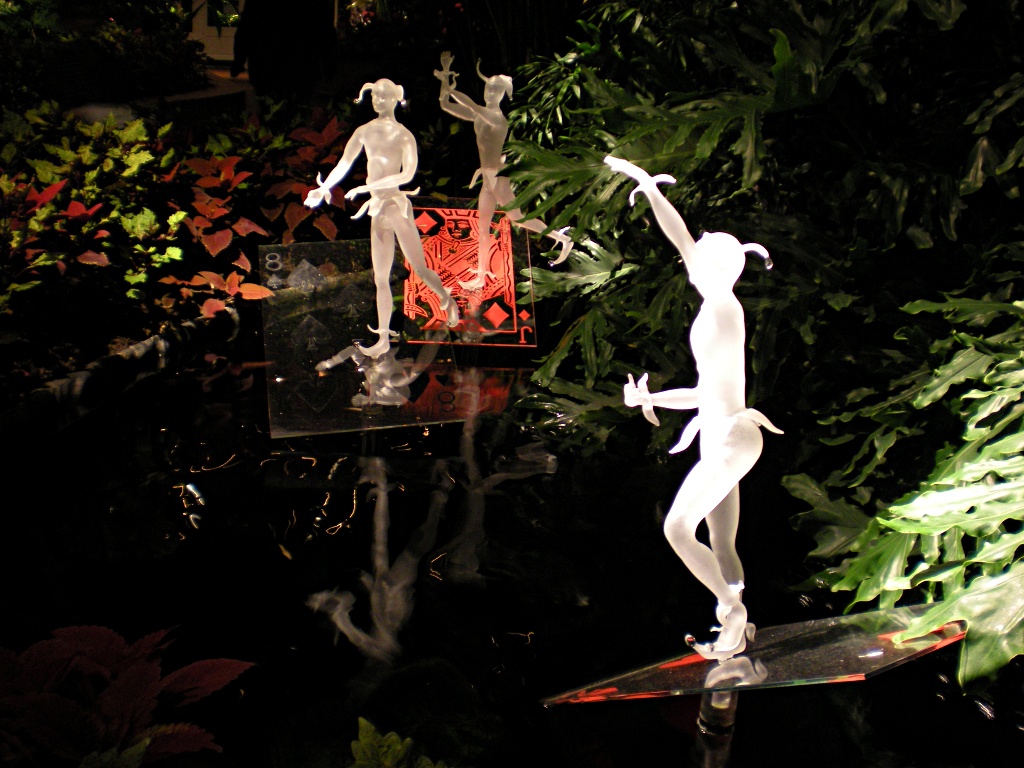
Phipps Conservatory is open Friday evenings until 10 p.m. The darkness and the relatively few visitors can sometimes give one the eerie sensation of being lost in a jungle filled with surrealistic Fräbel glass art.
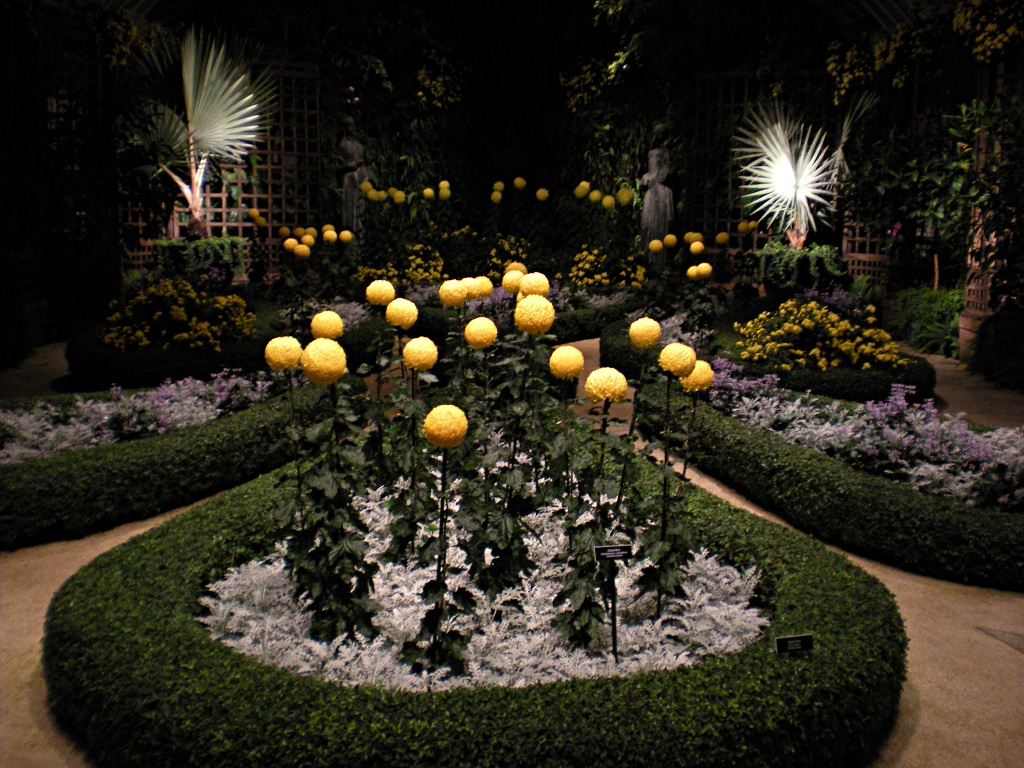

Phipps Conservatory is being held up as an example of what makes Pittsburgh a model to the world. Troops of presidents and prime ministers will shortly descend on it, and yesterday the place was crawling with State Department suits flashing their badges and working out the thorny details of who stands where for the photo opportunities.

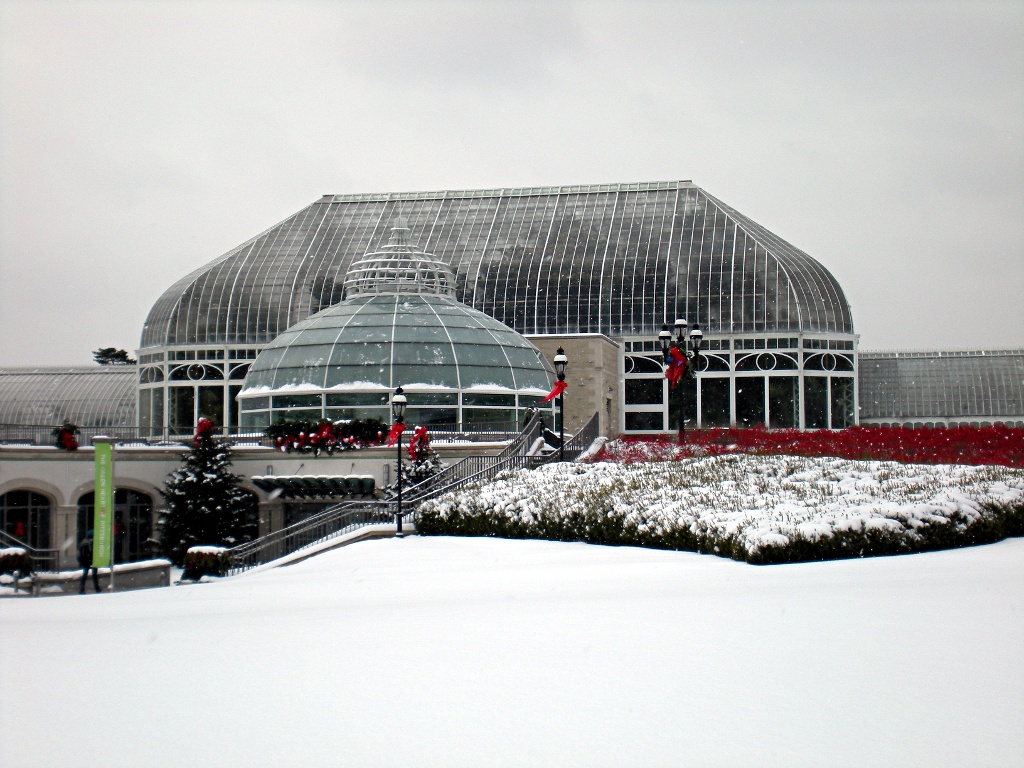
It would be hard to think of a better showpiece for Pittsburgh. This is one of the world’s most beautiful glasshouses, a rare relic of classic Victorian Gothic conservatory architecture. Yet it has adapted to the modern age with a new entry and a spectacular tropical forest, both of which are remarkable for their use of “green” technology. The new entry, seen here, harmonizes well with the original greenhouses; yet the design is clearly a product of our own age. Pittsburgh can help teach the world how to make the old new again; and perhaps, in teaching that lesson, we can learn it better ourselves.