Two cichlids from the pond in the Tropical Forest at Phipps Conservatory. Above, a “super red Texas cichlid,” which is a common aquarium hybrid; below, a pair of black belt cichlids (Vieja maculicauda).


Two cichlids from the pond in the Tropical Forest at Phipps Conservatory. Above, a “super red Texas cichlid,” which is a common aquarium hybrid; below, a pair of black belt cichlids (Vieja maculicauda).


A fancy cultivar of Flowering Maple, a member of the mallow family (Malvaceae), blooming in the Stove Room at Phipps Conservatory. A more working-class member of the genus Abutilon, Abutilon theophrasti, is a common weed at construction sites around Pittsburgh.

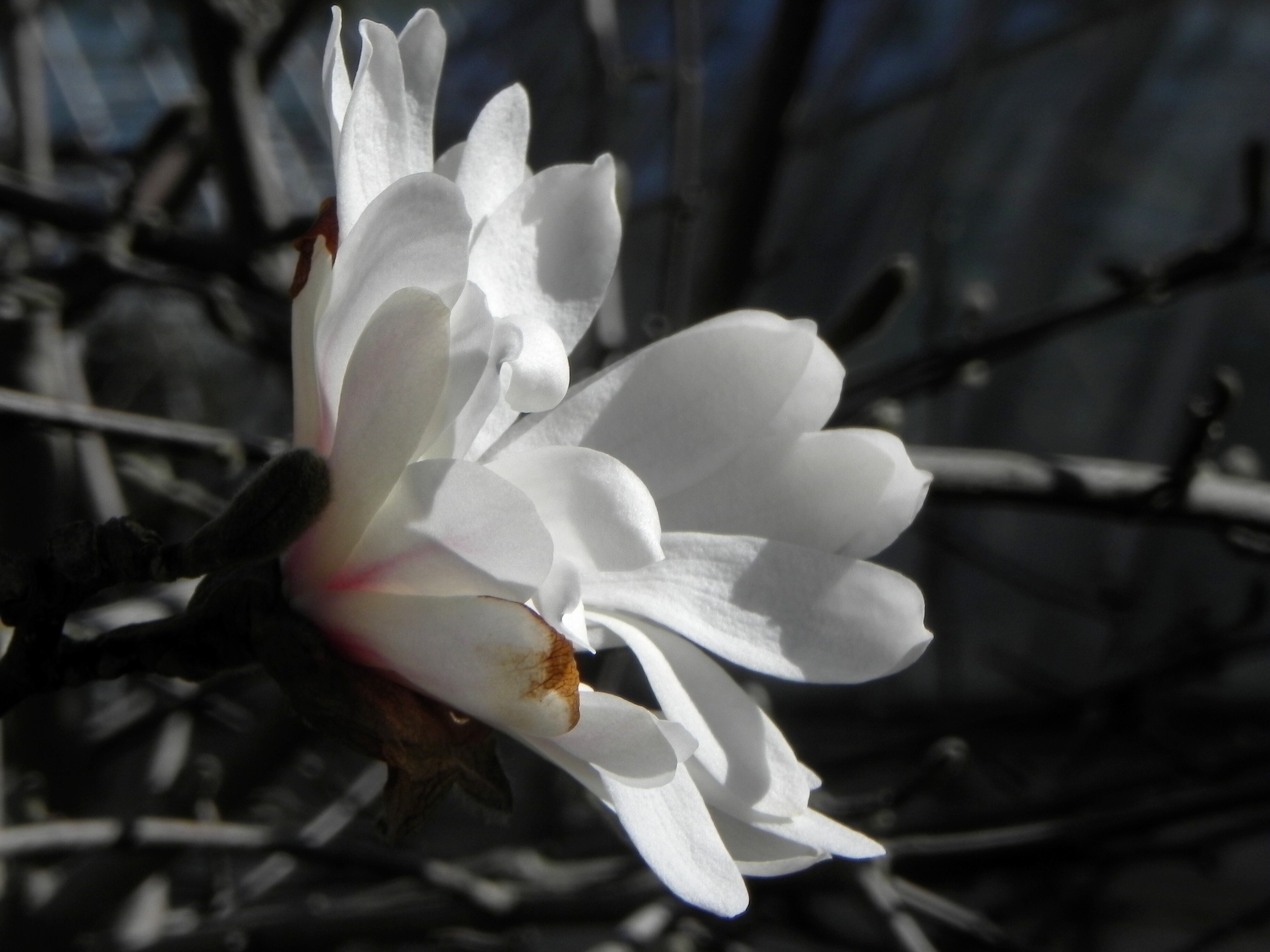
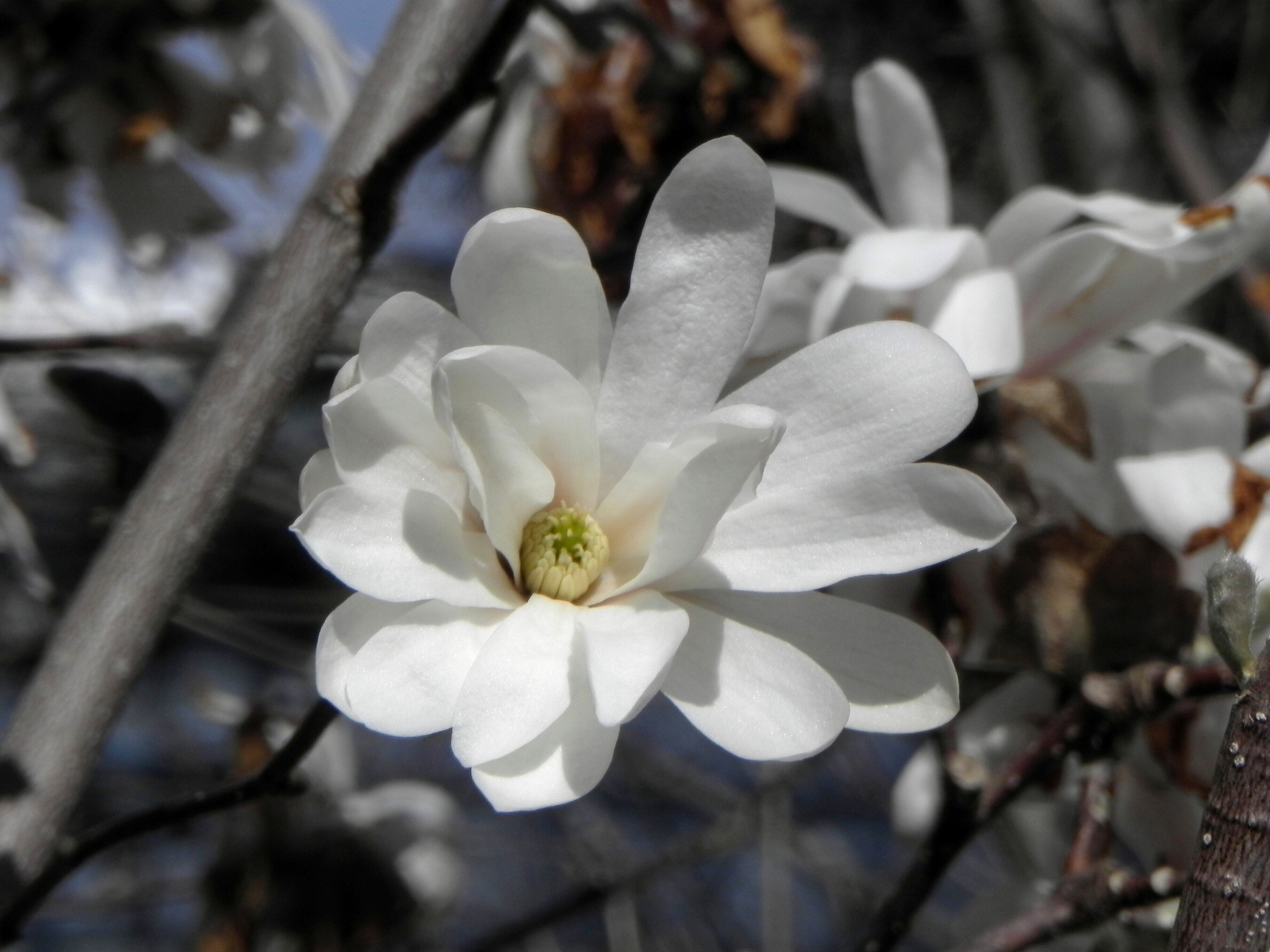
The Star Magnolia is a tree that gets to bloom about once every three years in Pittsburgh. It opens its flowers very early, and they usually end up frost-blasted either shortly after they open or while the tree is in bud. This year some of the trees had a chance to bloom before the frost; this one had lost some flowers, but was still making a brave attempt to bloom in the Japanese Courtyard Garden at Phipps Conservatory.


The Orchid and Bonsai show was winding up yesterday when we visited Phipps Conservatory. We already saw some of the orchids; here are a couple of the bonsai trees that were on display in the Serpentine Room.

This is a calamondin (Citrofortunella mitis), a tasty citrus fruit with sour but flavorful little orange balls that make good marmalades. The bonsai artist has given this one an attractive windswept look.


The weeping fig (Ficus benjamina) is probably the most popular indoor tree in cultivation, and a well-trained example makes an evocative miniature forest.

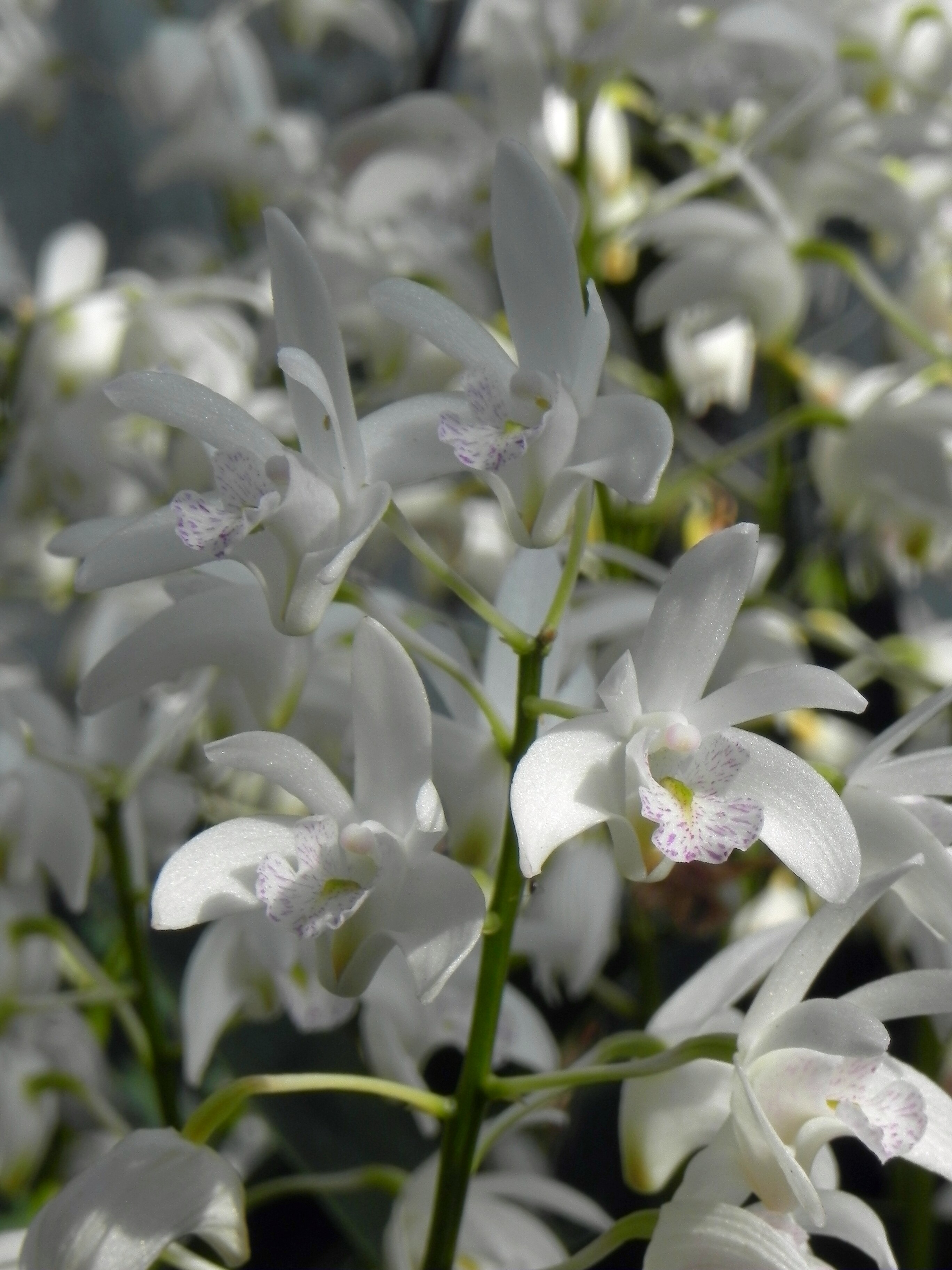
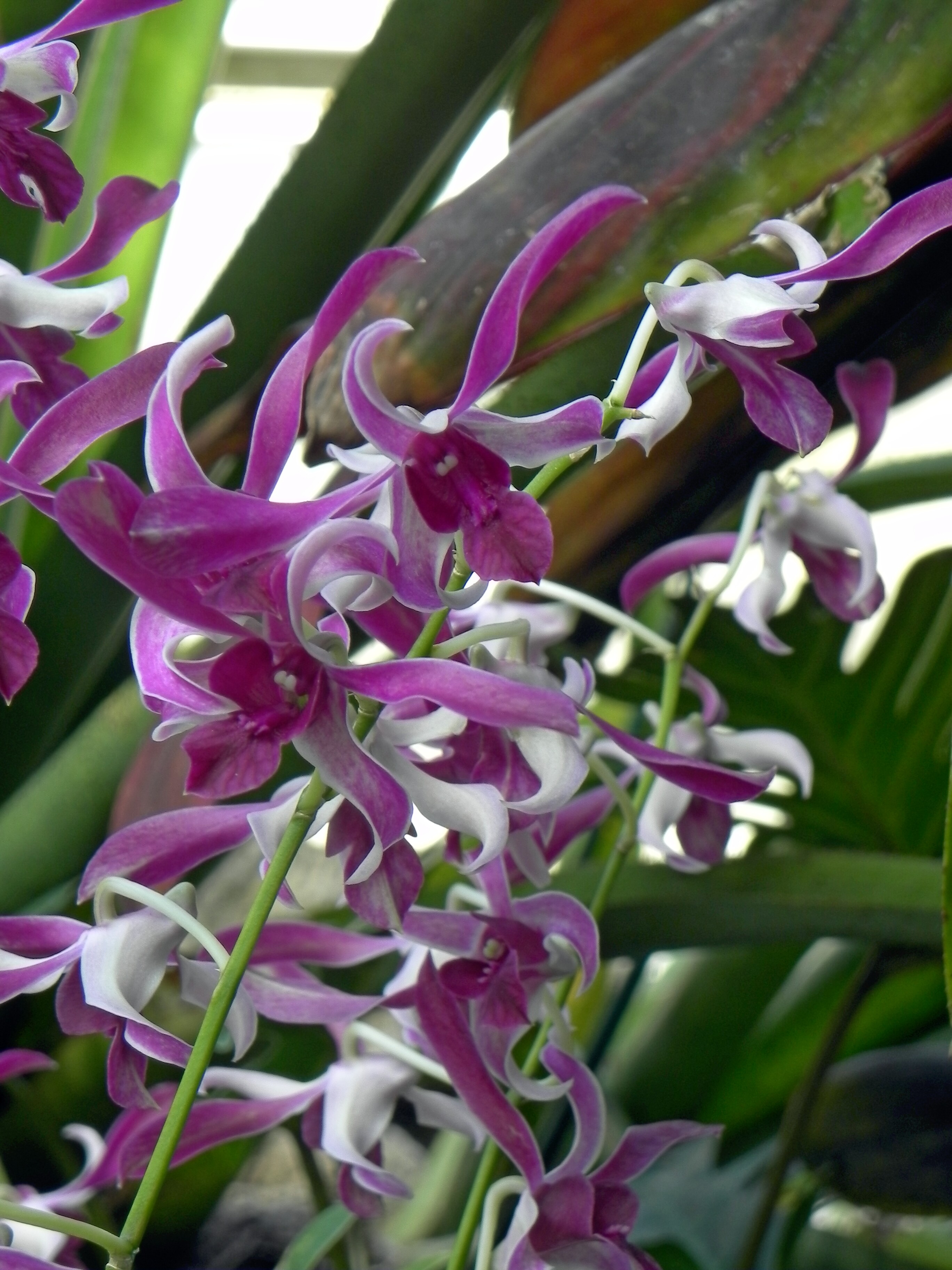
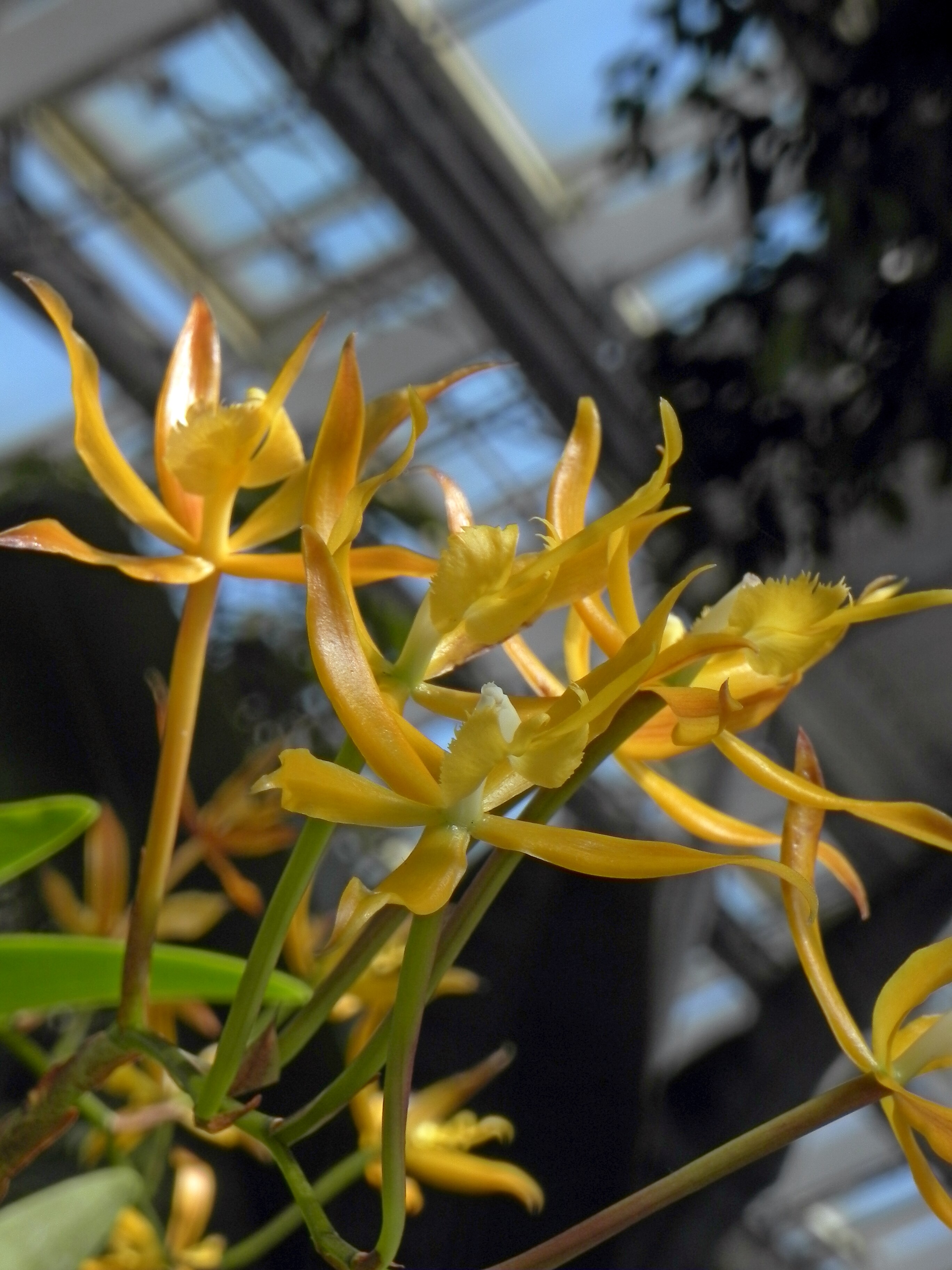
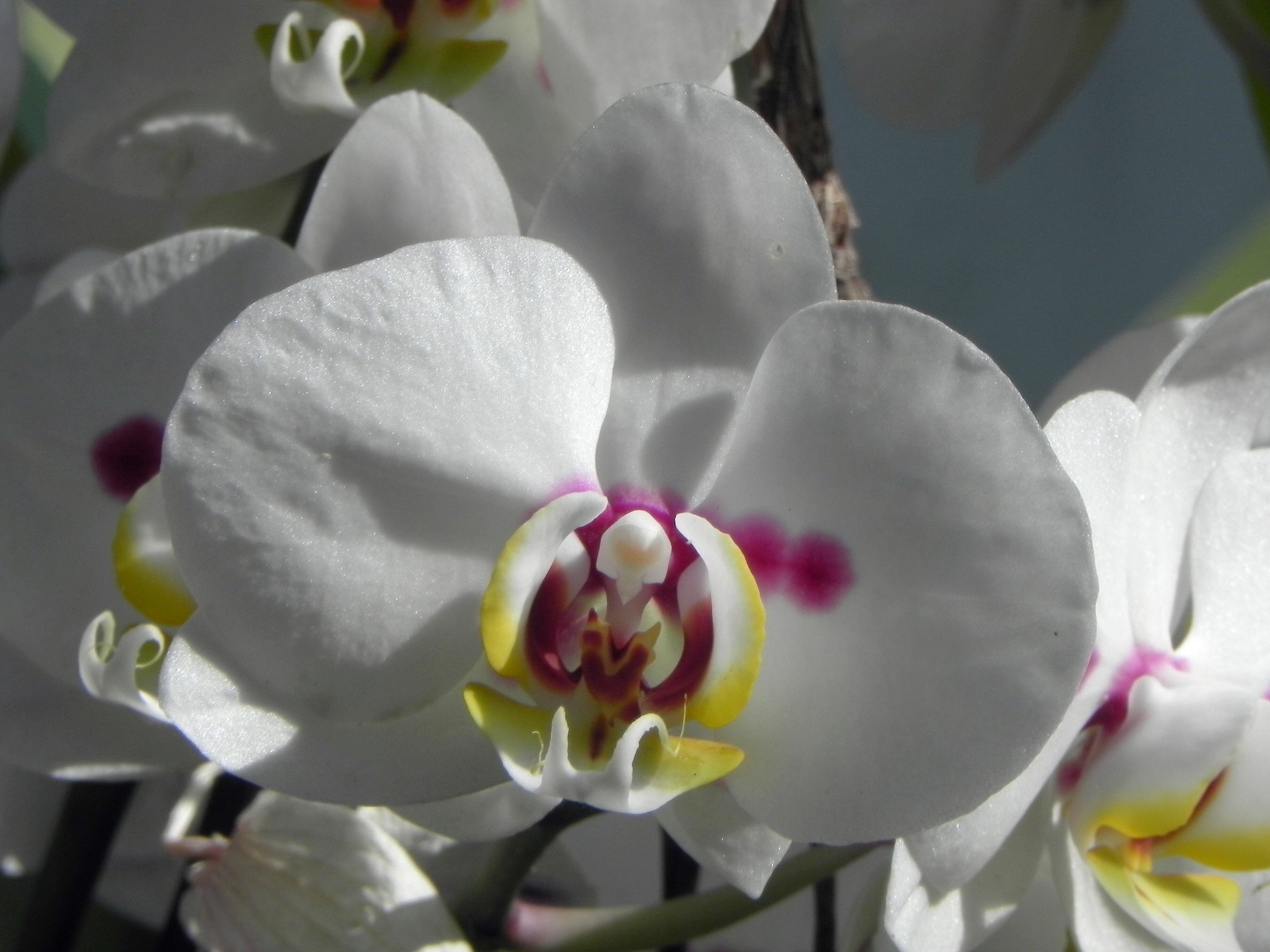
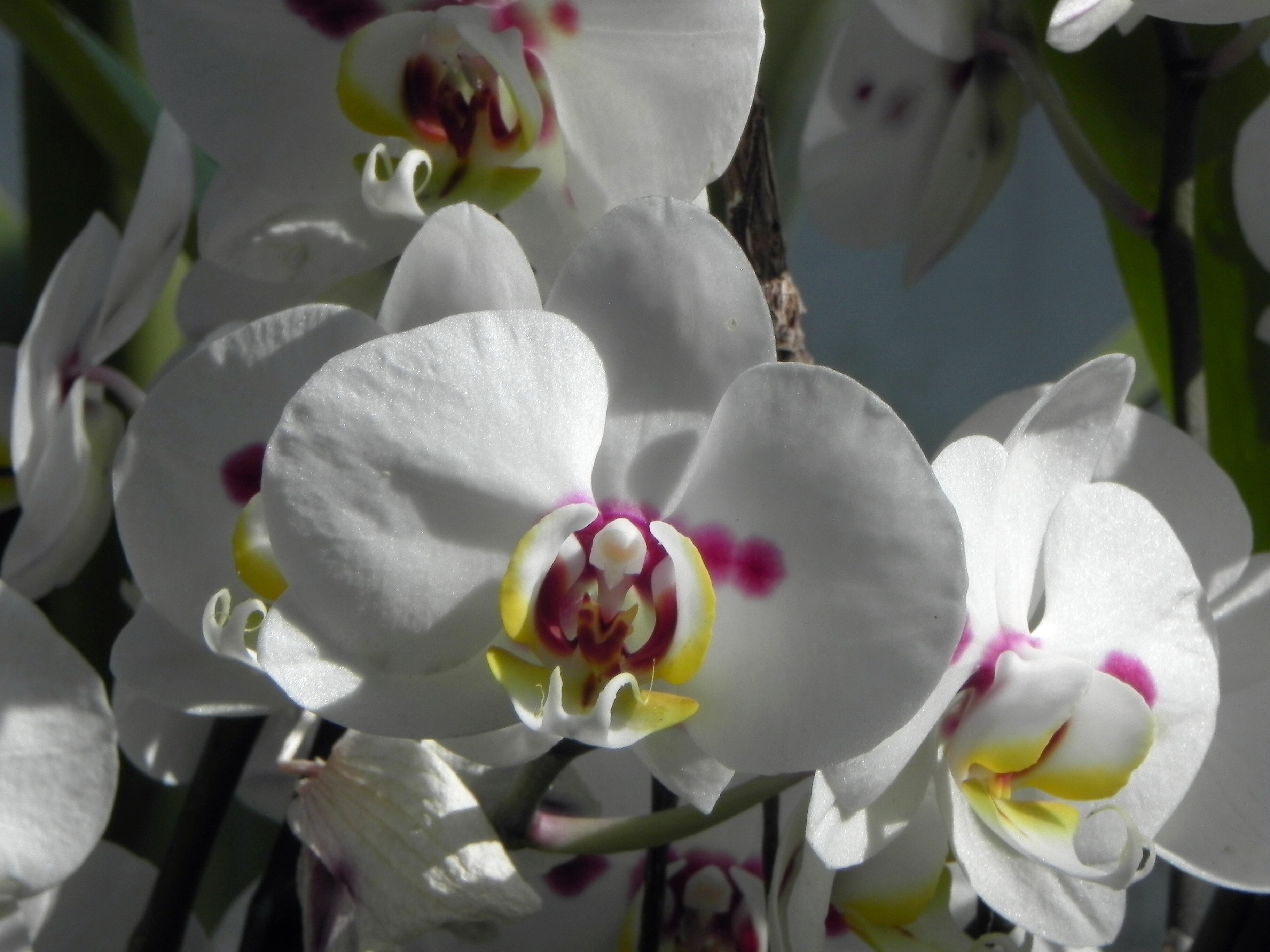
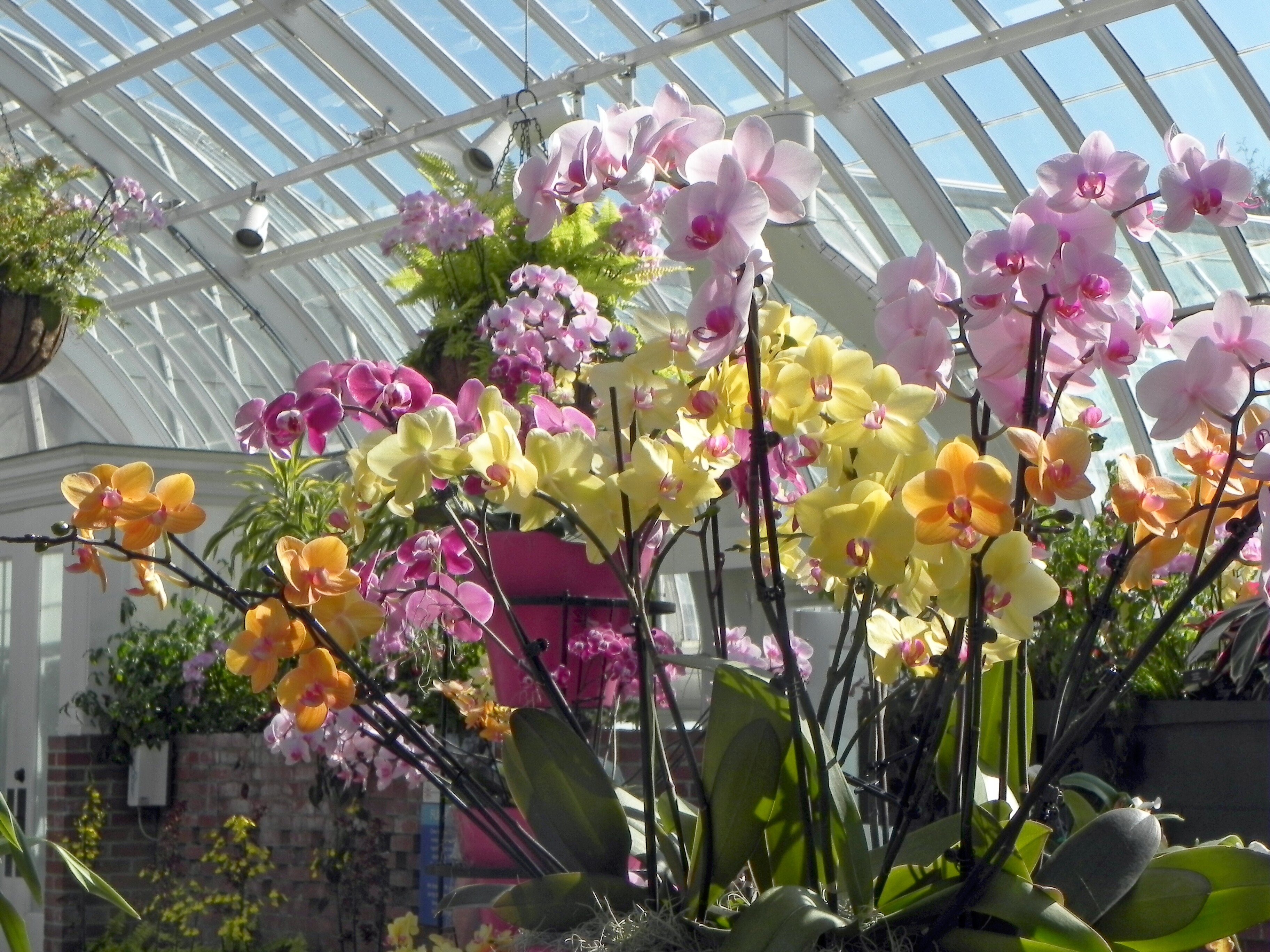
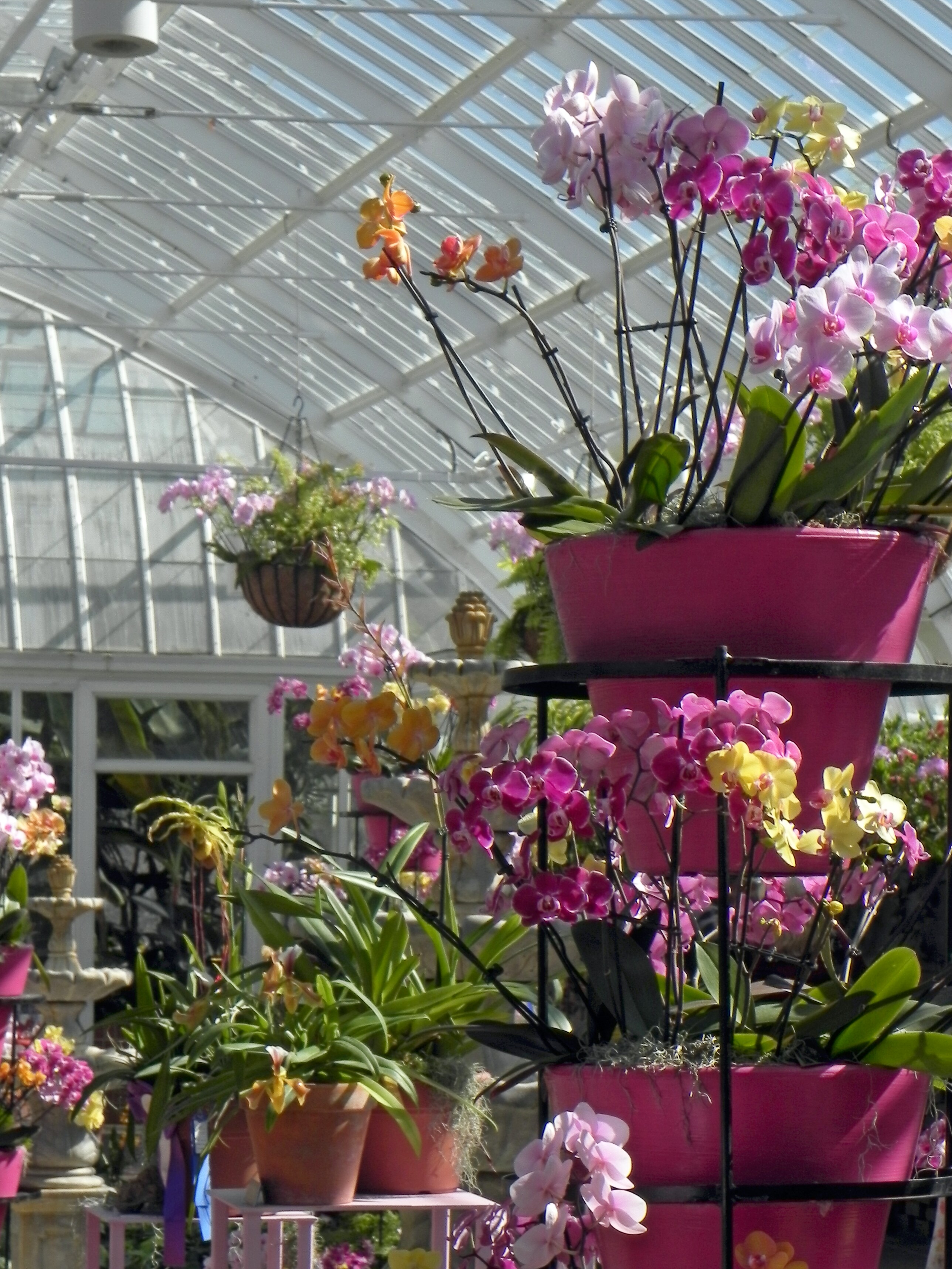
The Orchid and Bonsai Show is wrapping up, and the Spring Flower Show starts soon. Here are some of the orchids we saw today.


The Spring Flower Show is on at Phipps Conservatory for the next three weeks. When we have said that it is up to the usual standard, we have said all you need to know. Above, a pansy. Father Pitt didn’t catch its name, but it has personality.

The beds in front of the entrance are a riot of spring bulbs.


The fabulously rare and desirable Himalayan Blue Poppy (Meconopsis grandis).


The Broderie and its wishing well, all dressed for spring.


Petunia × hybrida ‘Midnight Gold,’ a spectacular double petunia.


The East Room.

A pastel Delphinium.


The display in the South Conservatory.

When Phipps Conservatory opened in 1893, Henry Phipps donated this statue, which has has sat in the Palm House ever since.