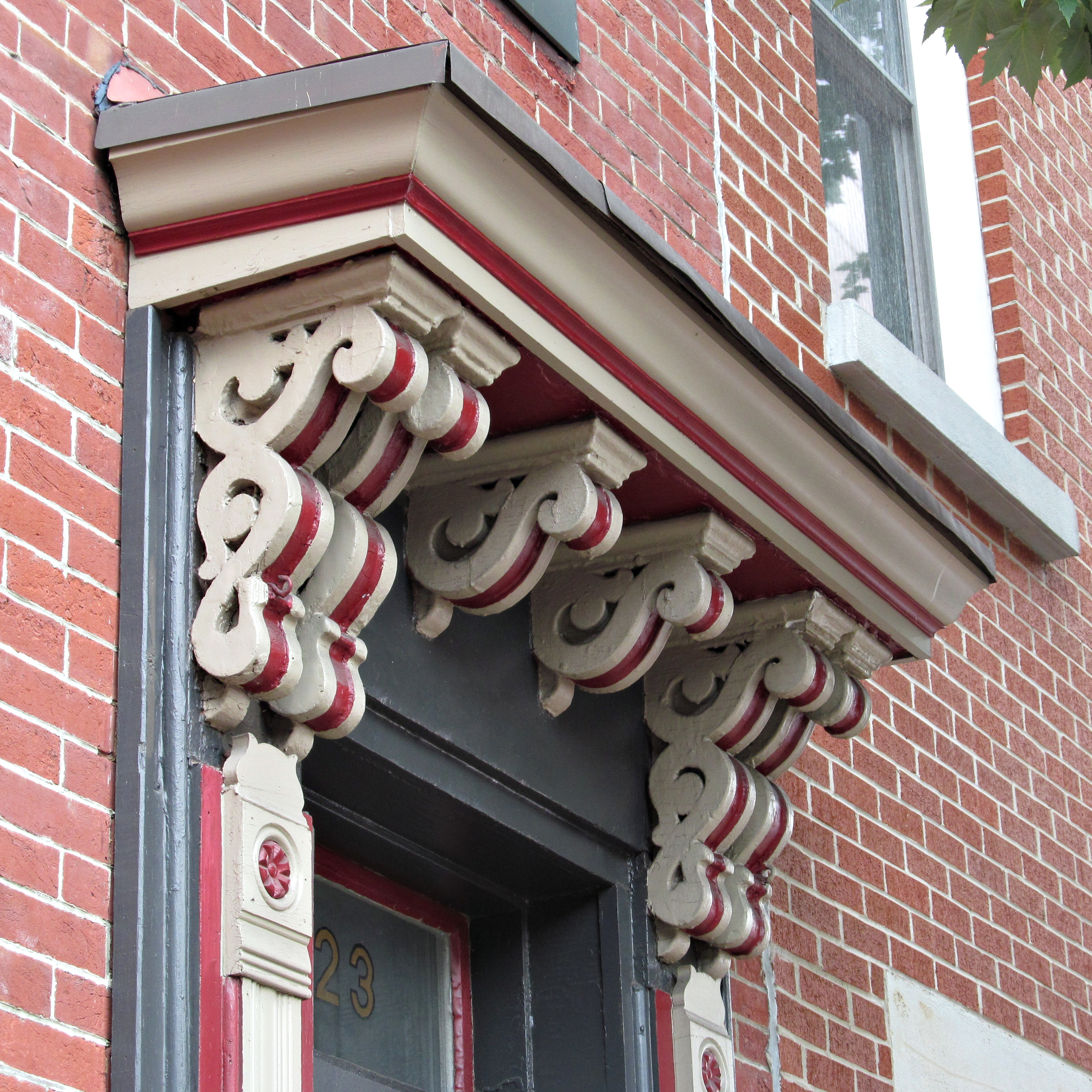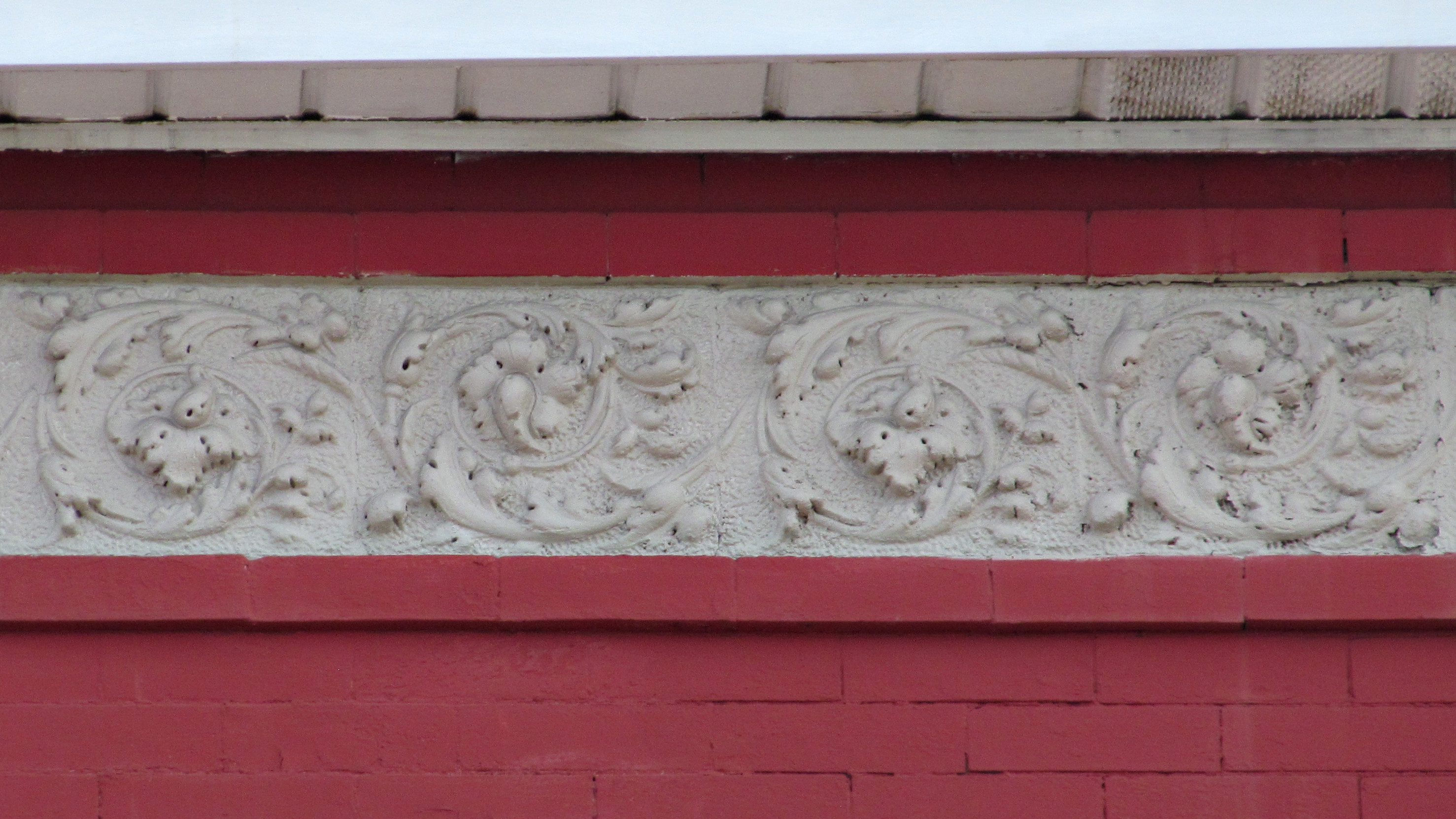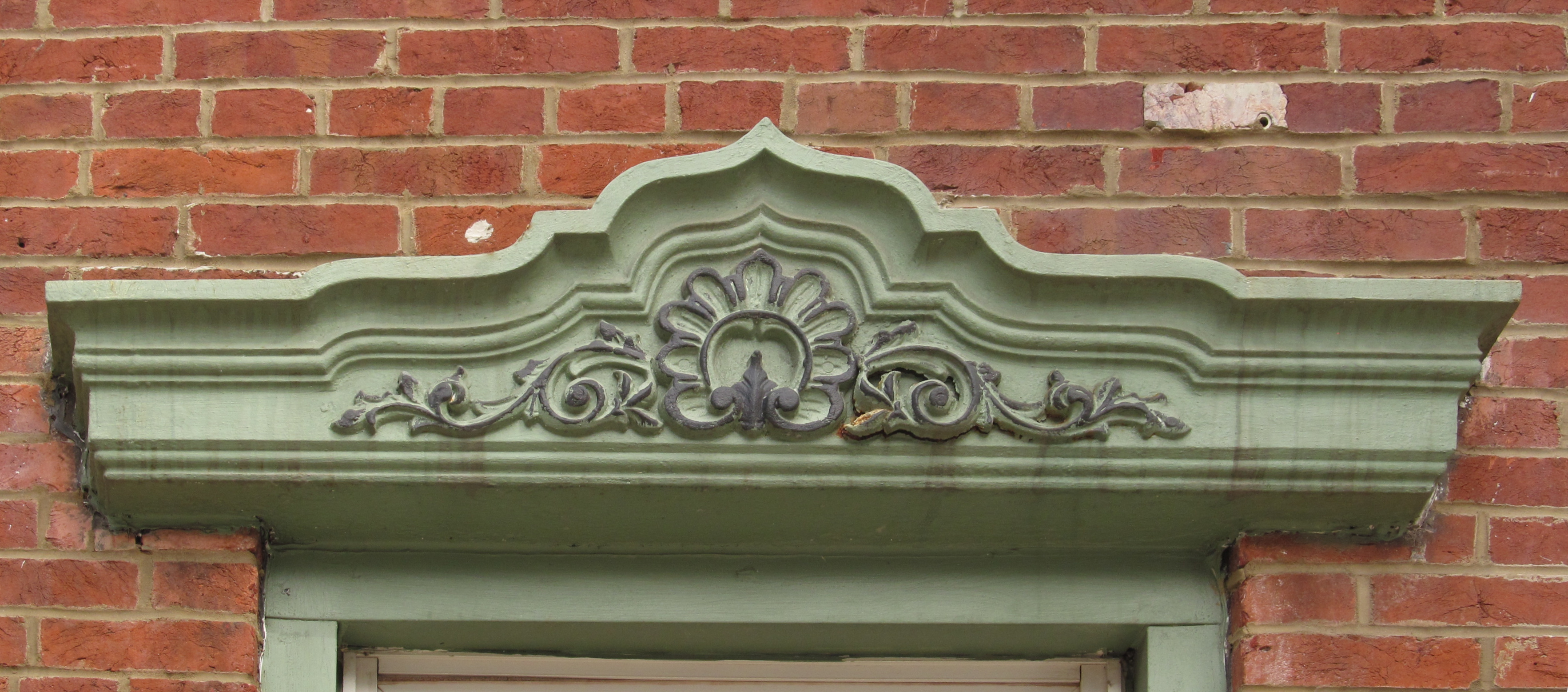

A modest but distinguished row of Second Empire houses on 22nd Street. Note the patterns in the roof tiles.
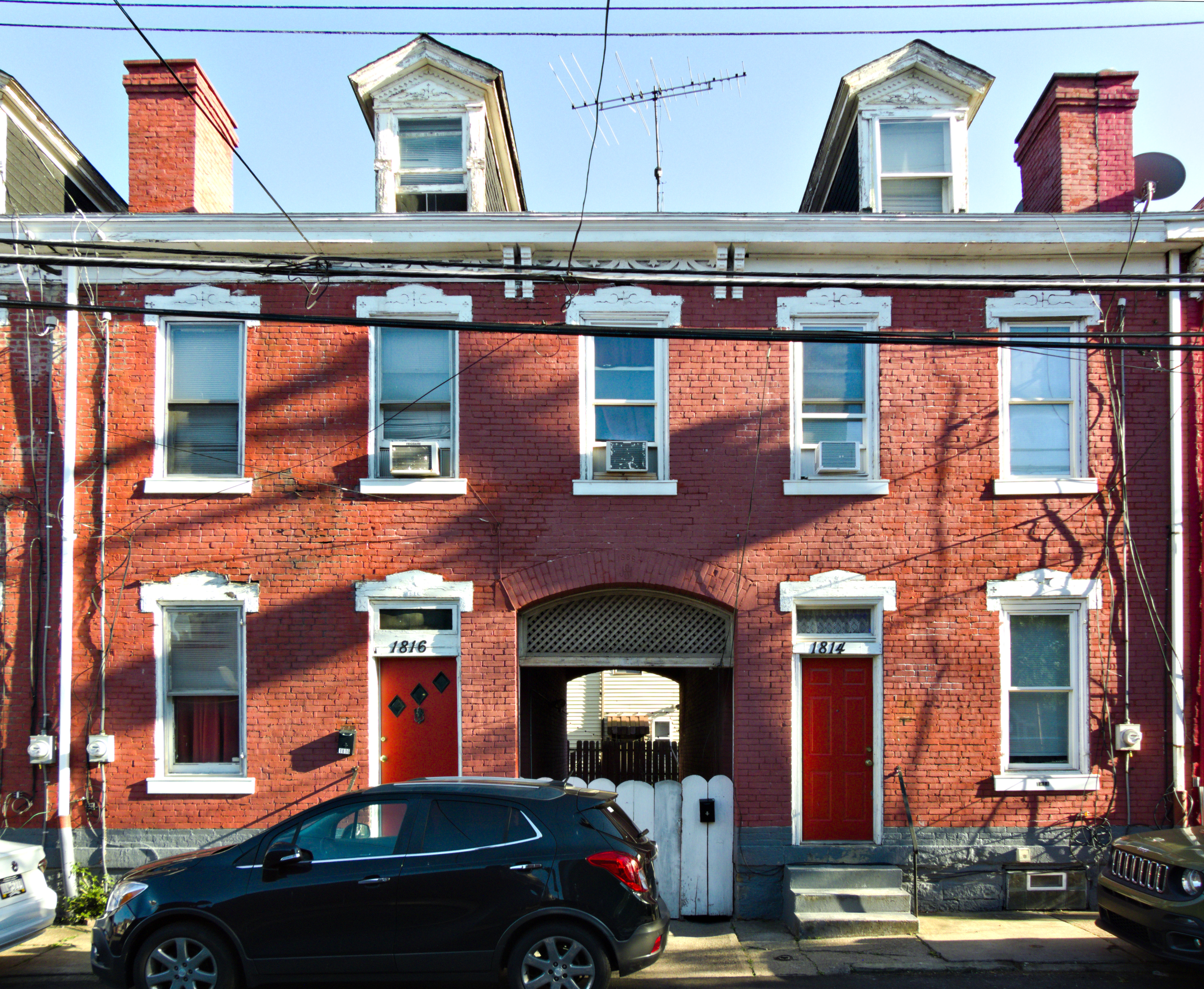
In Pittsburgh, a “rowhouse” is generally any house that shares a wall with its neighbors. But there are rowhouses in a stricter sense: rows of houses built all at once, as more or less one building divided into individual residences. One such row is in the 1800 block of Carey Way, a row of modest Italianate alley houses all put up at once. If he had to guess, old Pa Pitt would date it to the 1870s. One of its remarkable features is its breezeway. Most breezeways in Pittsburgh are narrow passages between houses, but this row has one breezeway in the middle big enough to drive a wagon through. That is probably the point: it leads to a courtyard from which deliveries of coal and other staples could be made to the backs of all the houses. Under separate ownership, the houses have ceased to be entirely identical, but their common origin is still apparent.


Many fine rowhouses like this one adorn the South Side, but once in a while we find one where the owners who restored the house have looked up its history and encapsulated it on a plaque. This is one of them, so we know that the house was built in 1891 for Charlotte and Wilhelm Geauf, and that the building cost $3,000 on a lot that cost $2,000. Note the fine parlor window—always the best opportunity for showing off in a rowhouse like this—and the richly textured brick cornice.
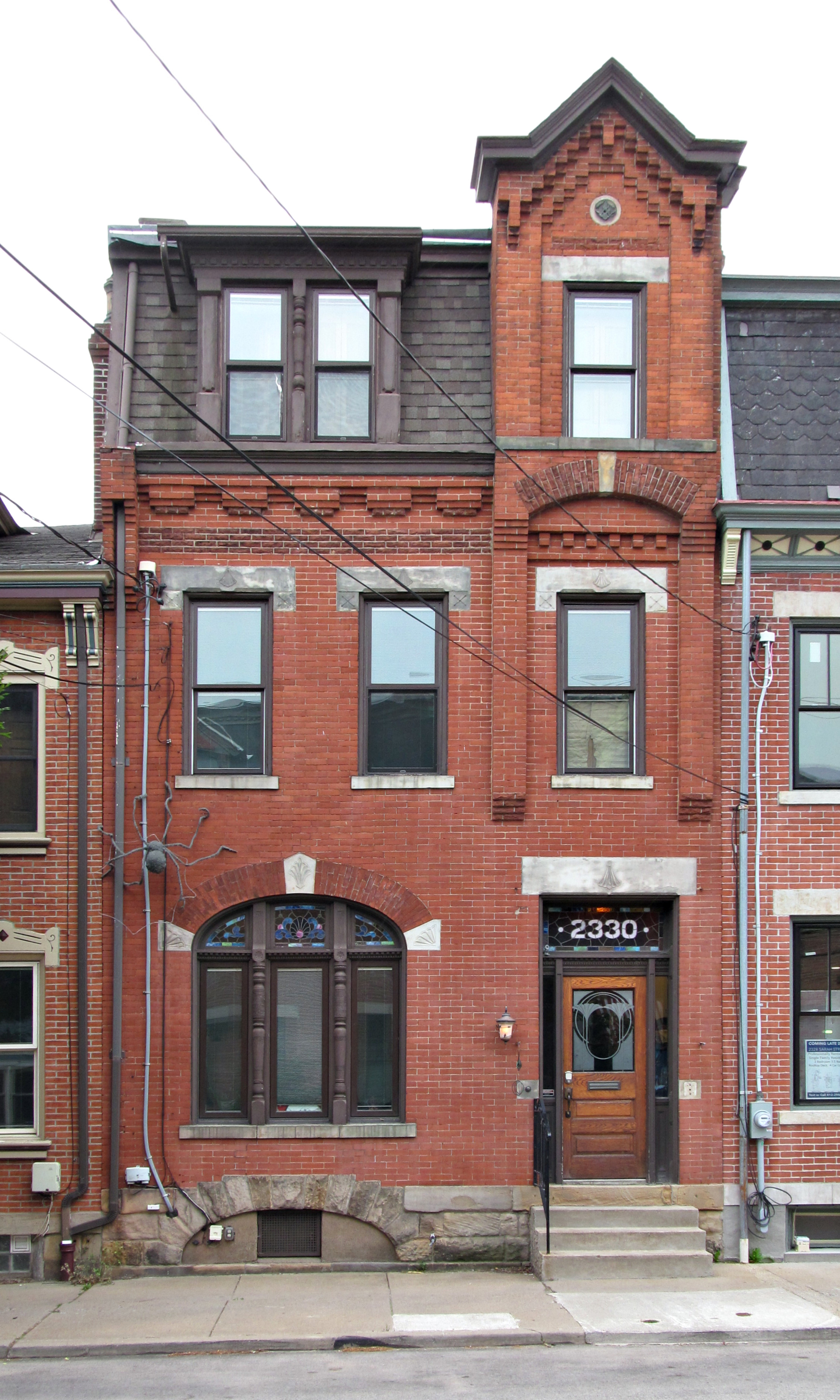
Sarah Street was the prime residential street of East Birmingham (the part of the South Side between 17th and 26th Streets), and it retains some of Pittsburgh’s most distinguished rowhouses. The one above is a splendidly eclectic mix—a bit of Italianate, a bit of Gothic, a bit of Second Empire. Note how much effort has gone into making interesting patterns in the bricks.

Here is another house in a similarly eclectic style. The parlor window is treated almost identically, but the upper floors vary the theme considerably.

This is not strictly a rowhouse, since it is detached from its neighbors by a narrow alley on each side; but since it is connected to those neighbors by a pair of gates, it is as near a rowhouse as makes no difference. This is a fine example of the Italianate style in a city house, and the owners have had some fun picking out the ornamental details with an unusual but effective paint scheme.

No neighborhood has changed more than Lawrenceville in the past two decades—but only demographically. In 2001, Lawrenceville was a cheap working-class neighborhood whose long business district was full of abandoned storefronts, except at the still-thriving core around the intersection of Butler and Main Streets. (Butler, of course, is the main street; the Pittsburgh area is full of Main Streets that aren’t the main street of anything.) Then the artsy types discovered it and briefly made it into the artists’ colony of Pittsburgh; then their rediscovery of the neighborhood caused rents and real-estate values to rocket upward, sending the artists scurrying to Garfield and other cheaper places while people with money moved in.
But through those rapid changes, the back streets of Lawrenceville have hardly changed at all. The artists and their moneyed successors moved in because they liked the neighborhood the way it was, and they have been careful to maintain it that way. The houses are better kept on average now, but they were never badly kept, as we can see in this picture from about 2001. Except for some more fashionable polychrome paint schemes on a few of the houses, this view is almost exactly the same today.

From the blocked-up Gothic windows and general shape, we can infer that this was a small church. But at some point not very recently it was converted to four tiny alley houses, made only slightly less tiny by the addition of what are probably kitchens on the back. (Update: For the history of the church, see “The Mystery of the Converted Church on the South Side.”)