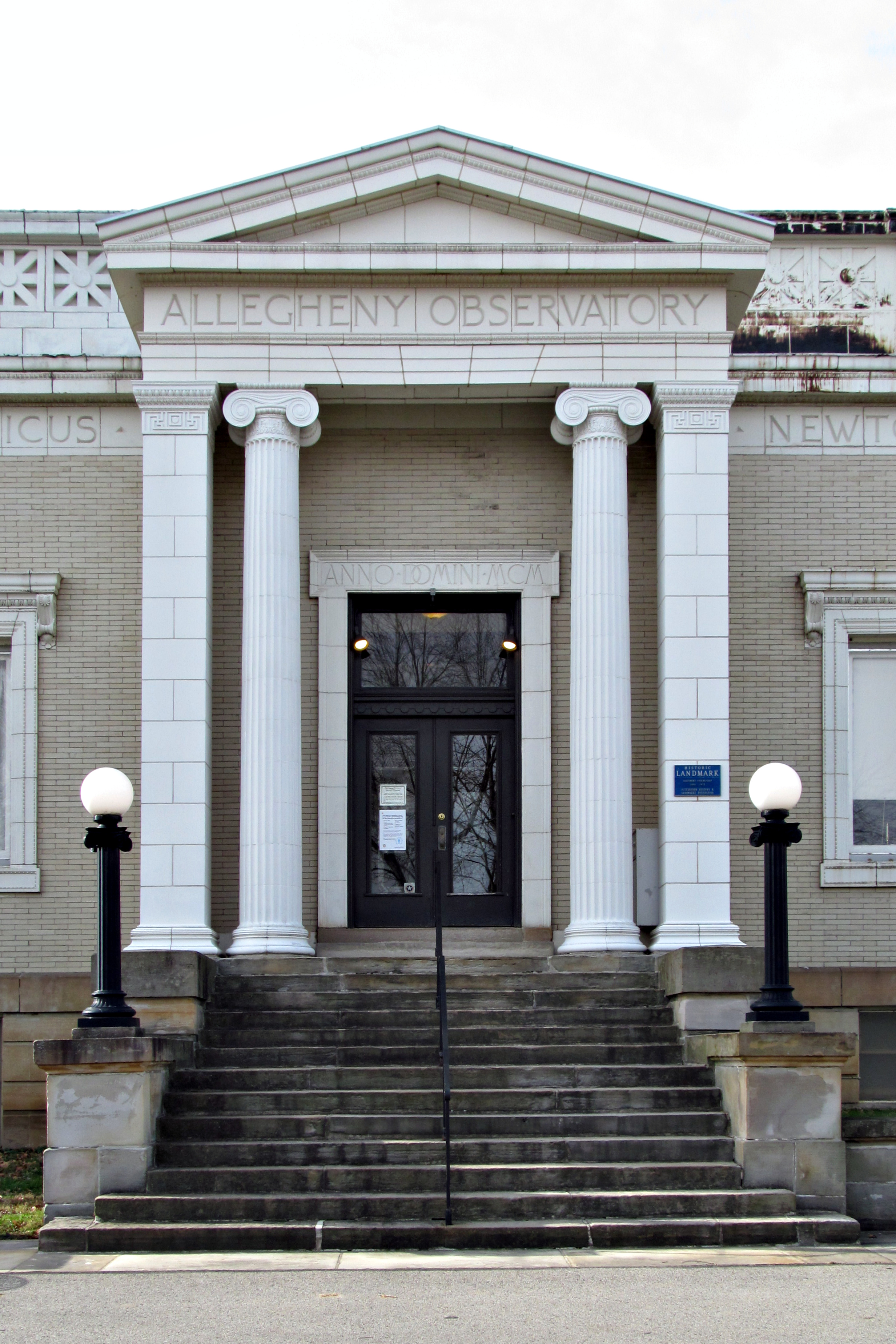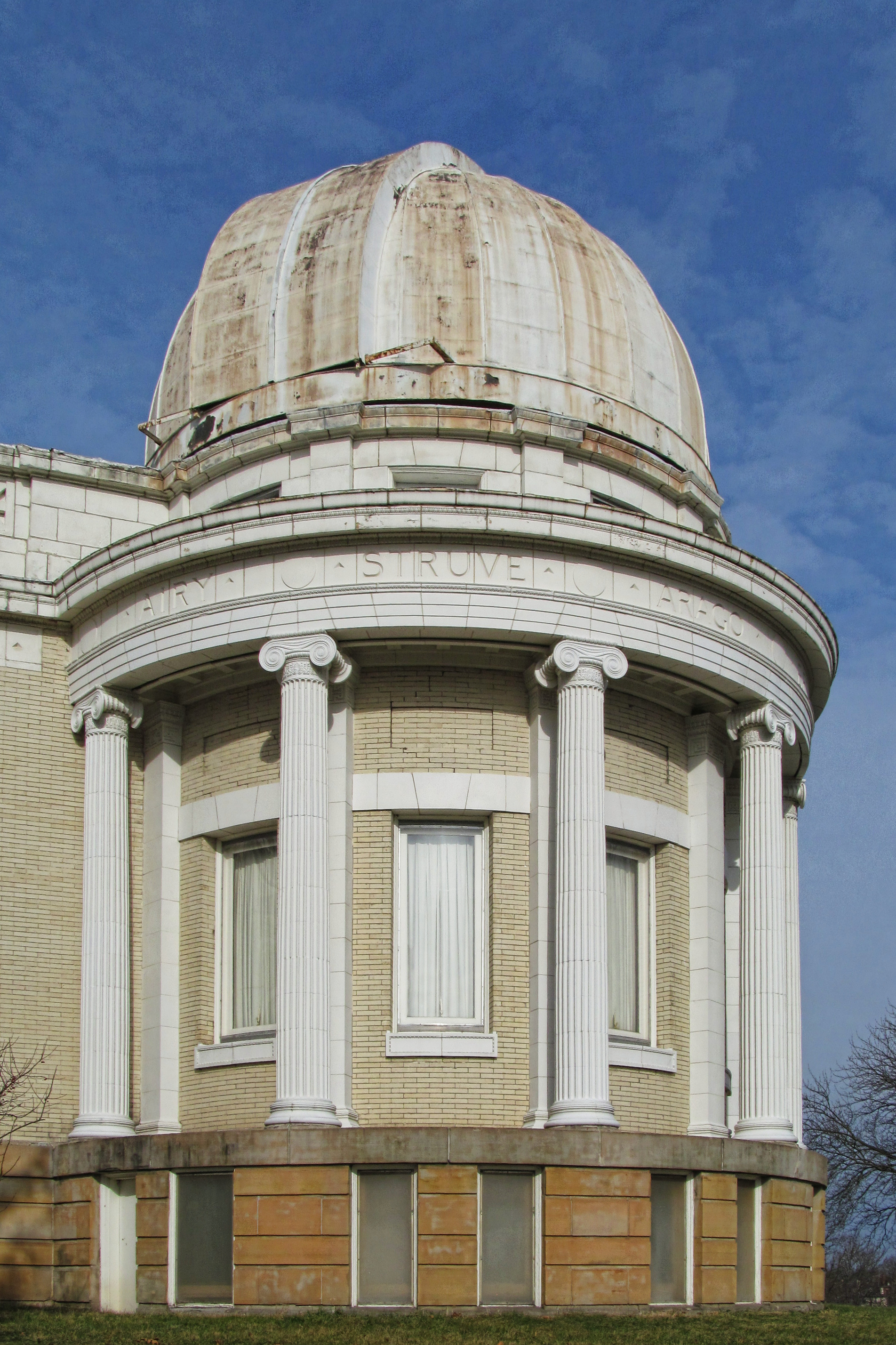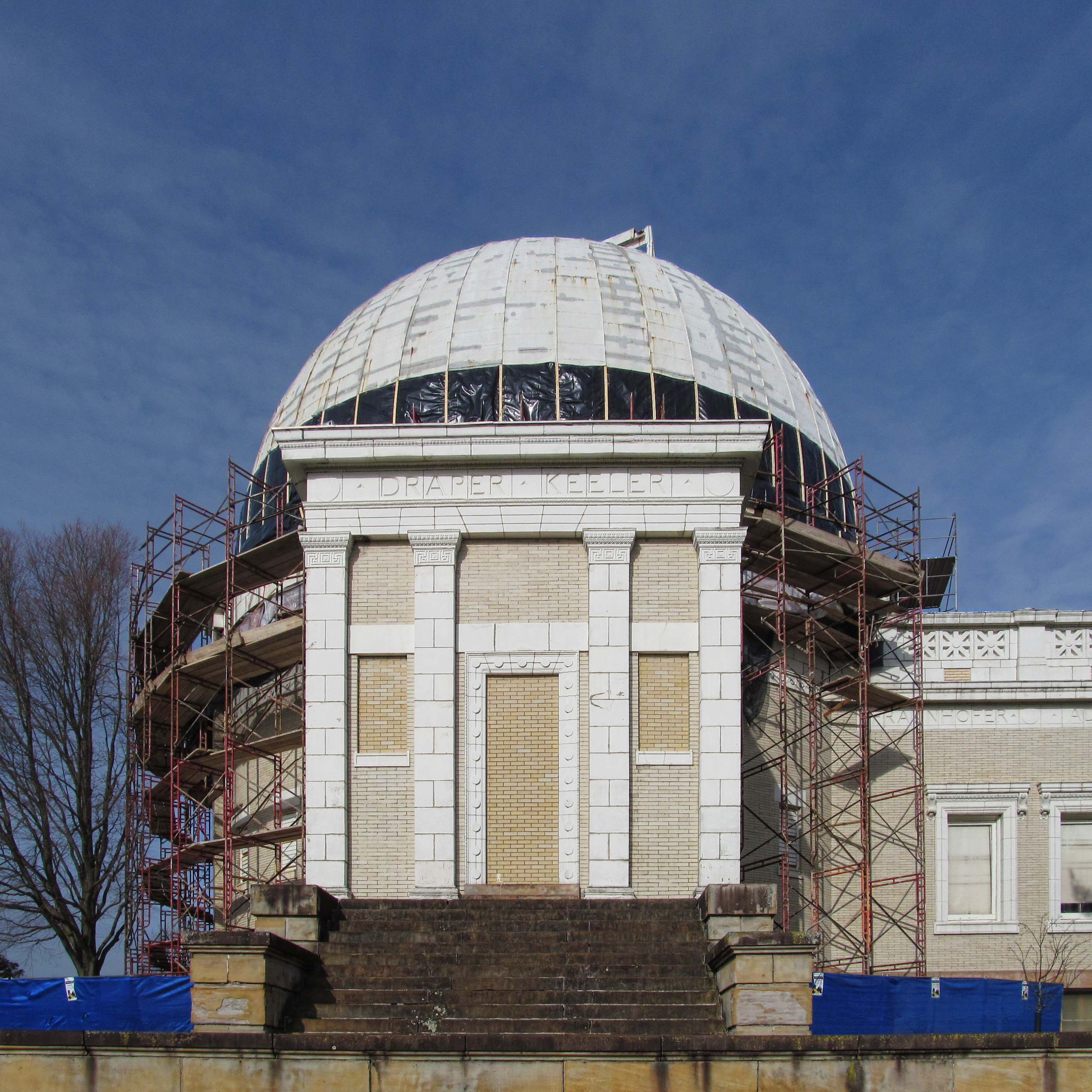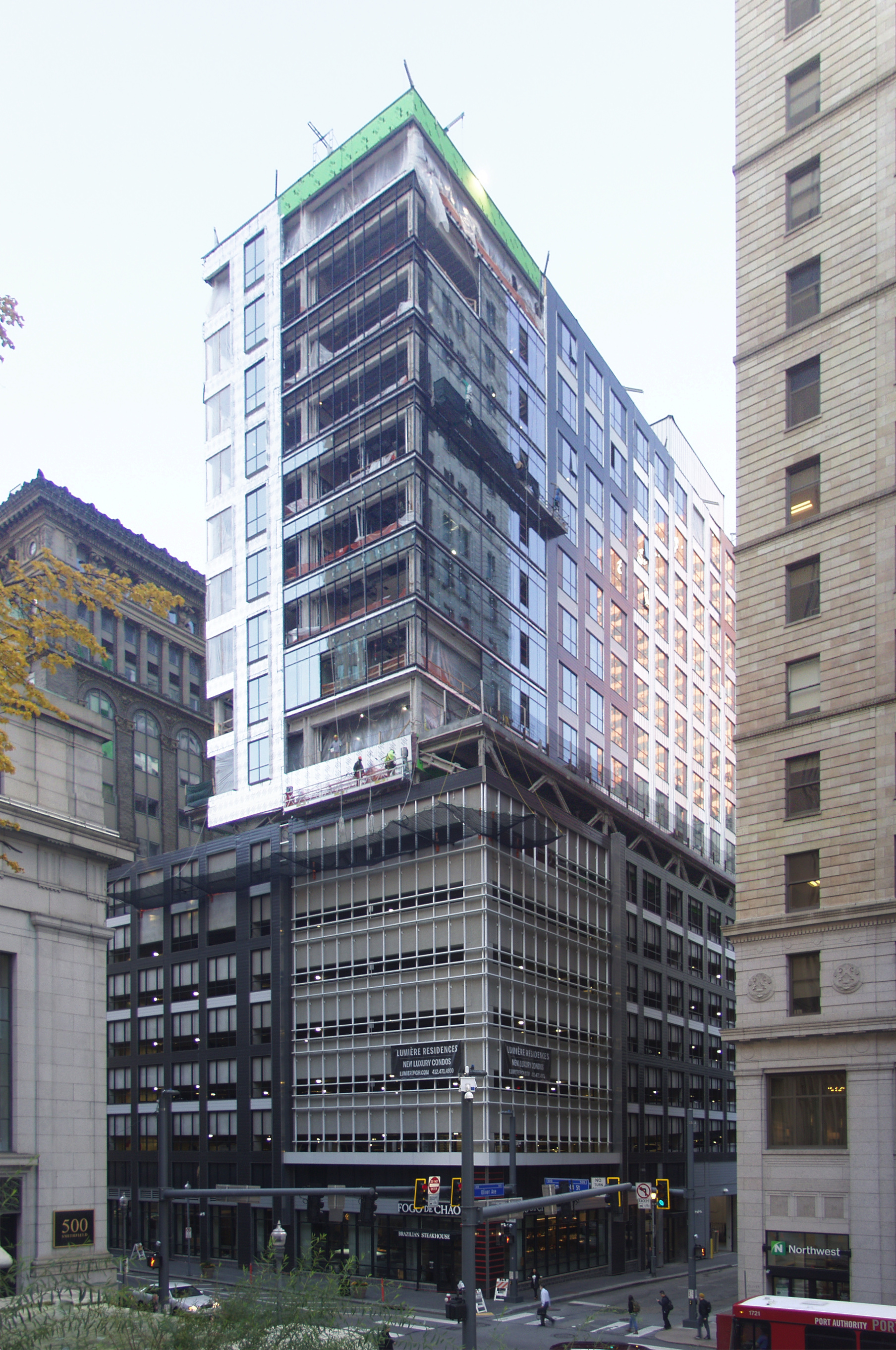
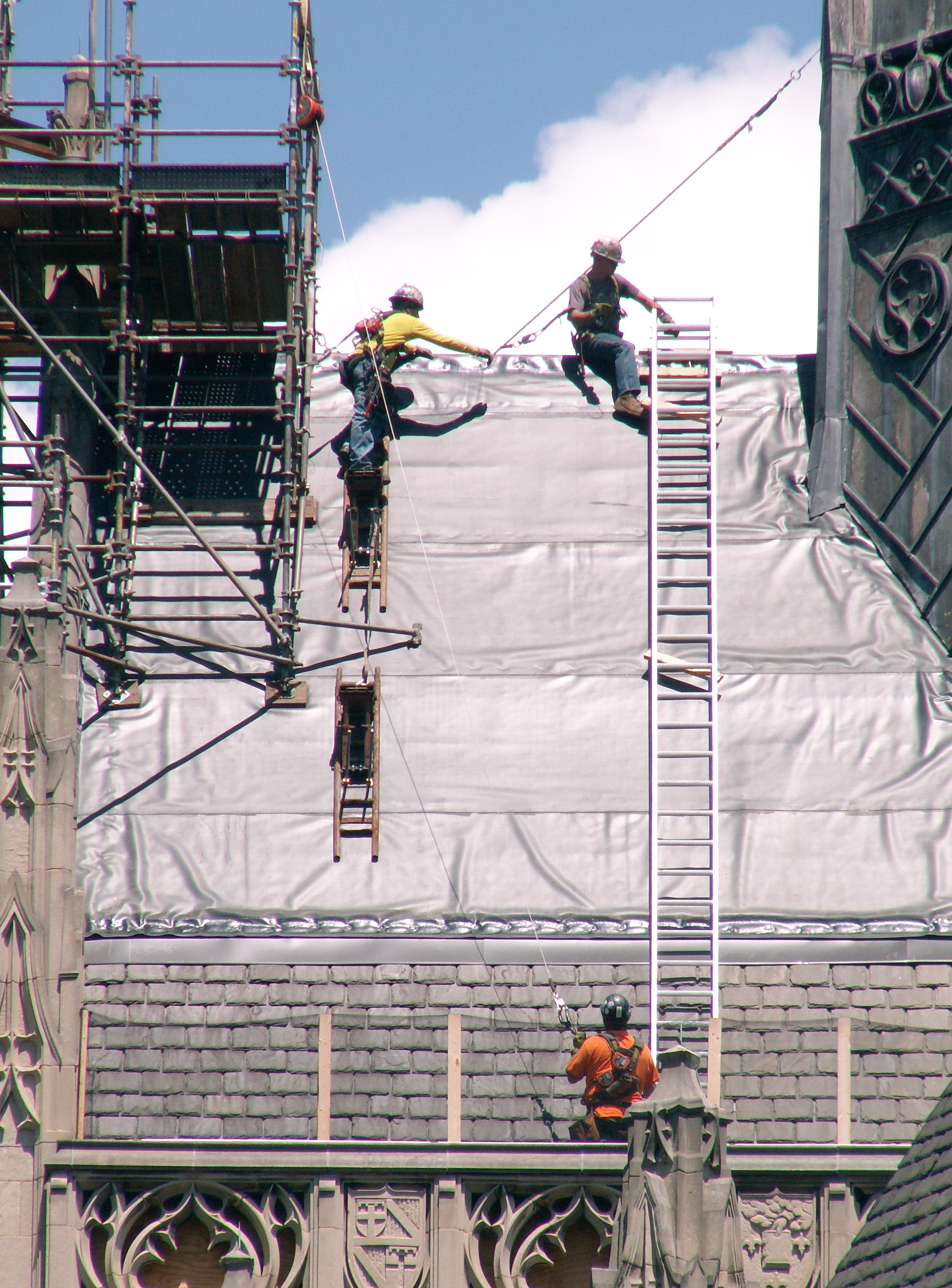
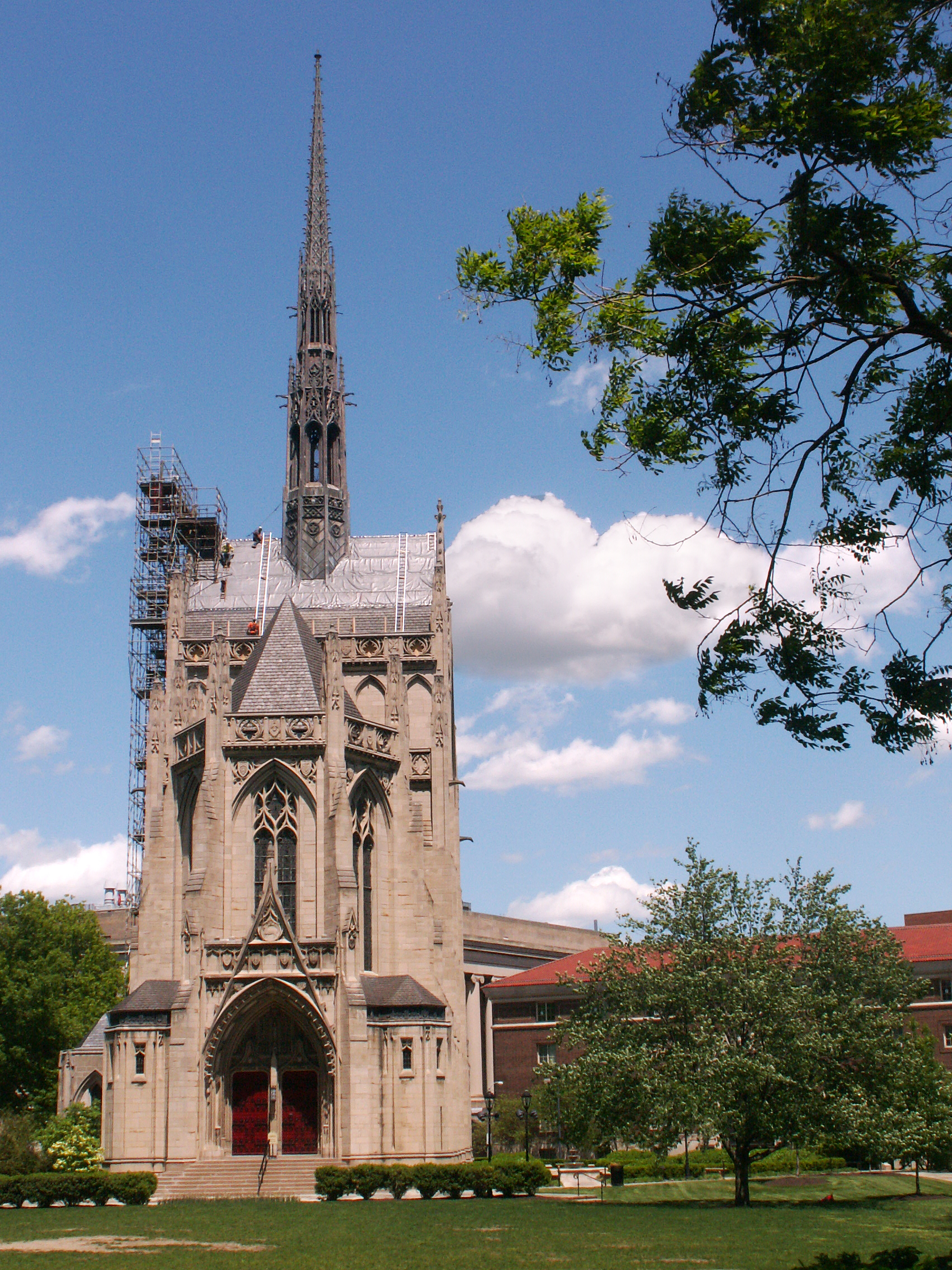
It’s easy to forget how tall Heinz Chapel is until we see people working on the roof.

Chunks of concrete dangle from exposed floors of a half-demolished warehouse next to the Sixteenth Street Bridge.

No one will miss this ugly building—or at least no one will admit to missing it. But it does point out a principle that old Pa Pitt has often stated: prosperity is more destructive to old landmarks than any other force except possibly war—and even then it depends on the war. When the city is prosperous, there is a strong incentive to replace older things with newer, more profitable things. Fortunately Pittsburgh has learned a lot about appreciating its old buildings, and much of what is going on in the booming Strip District is restoration and adaptation rather than demolition. But old buildings are in much more danger when the city is prosperous than when the local economy is stagnant.


For years this building has been hidden behind a garish modernist façade. Renovation work shows us a modest mid-nineteenth-century building typical of old Birmingham, the narrow-streeted section of the South Side up to 17th Street.
Update: The building has been restored to something more like its original appearance.
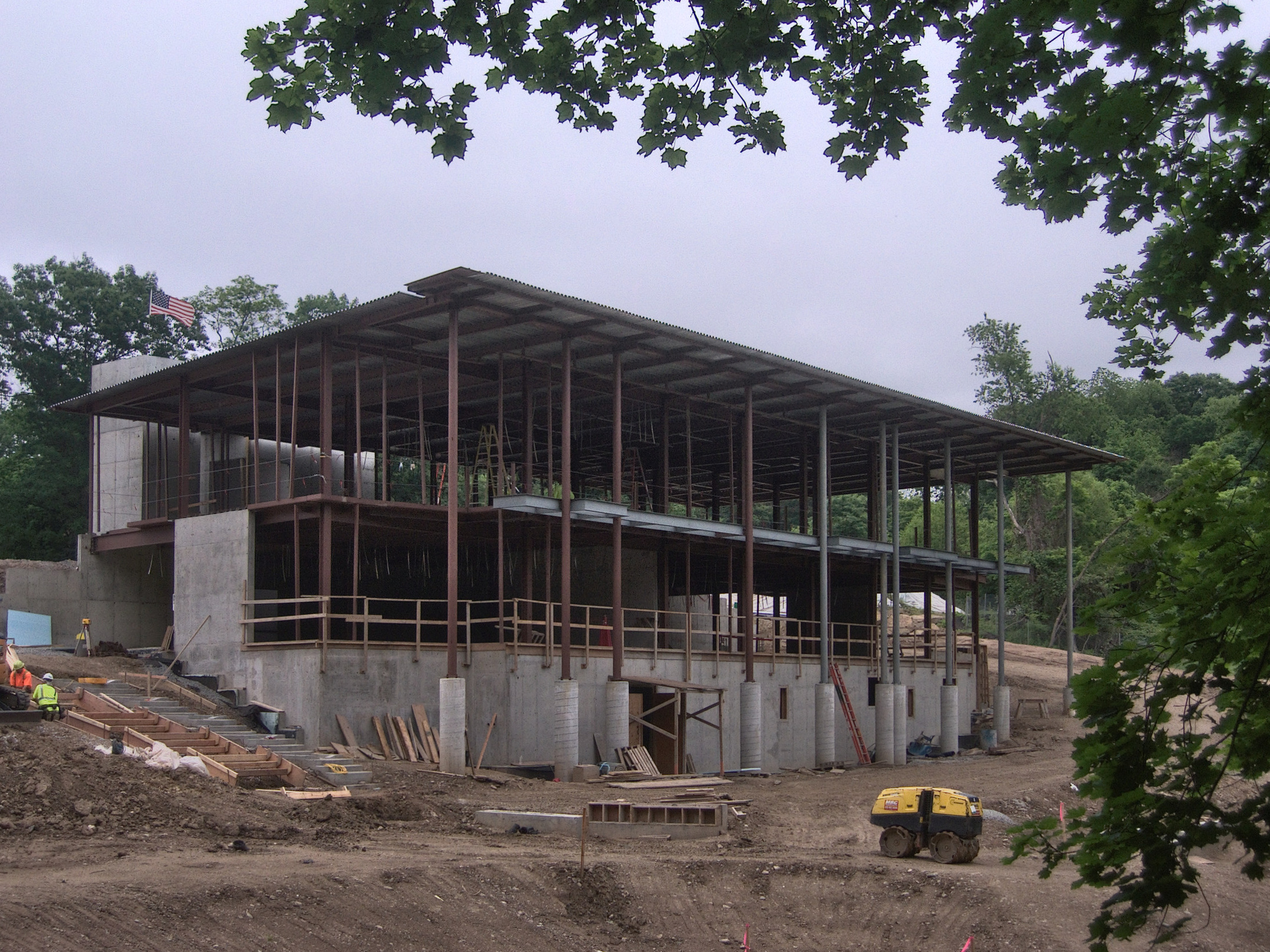
The old Frick Environmental Center in Squirrel Hill burned in 2002. It has taken this long to replace it, but we have every reason to believe that our patience will be rewarded. The new building is designed to meet the standards of the Living Building Challenge, providing its own heat, power, and water.

For the first time since the 1980s, downtown Pittsburgh has two skyscrapers going up at once (the other being the Tower at PNC Plaza). The project was begun as “the Gardens at Market Square,” but became “Tower Two-Sixty” at about the time construction began. The skeleton has risen, and now the skin begins to take shape.