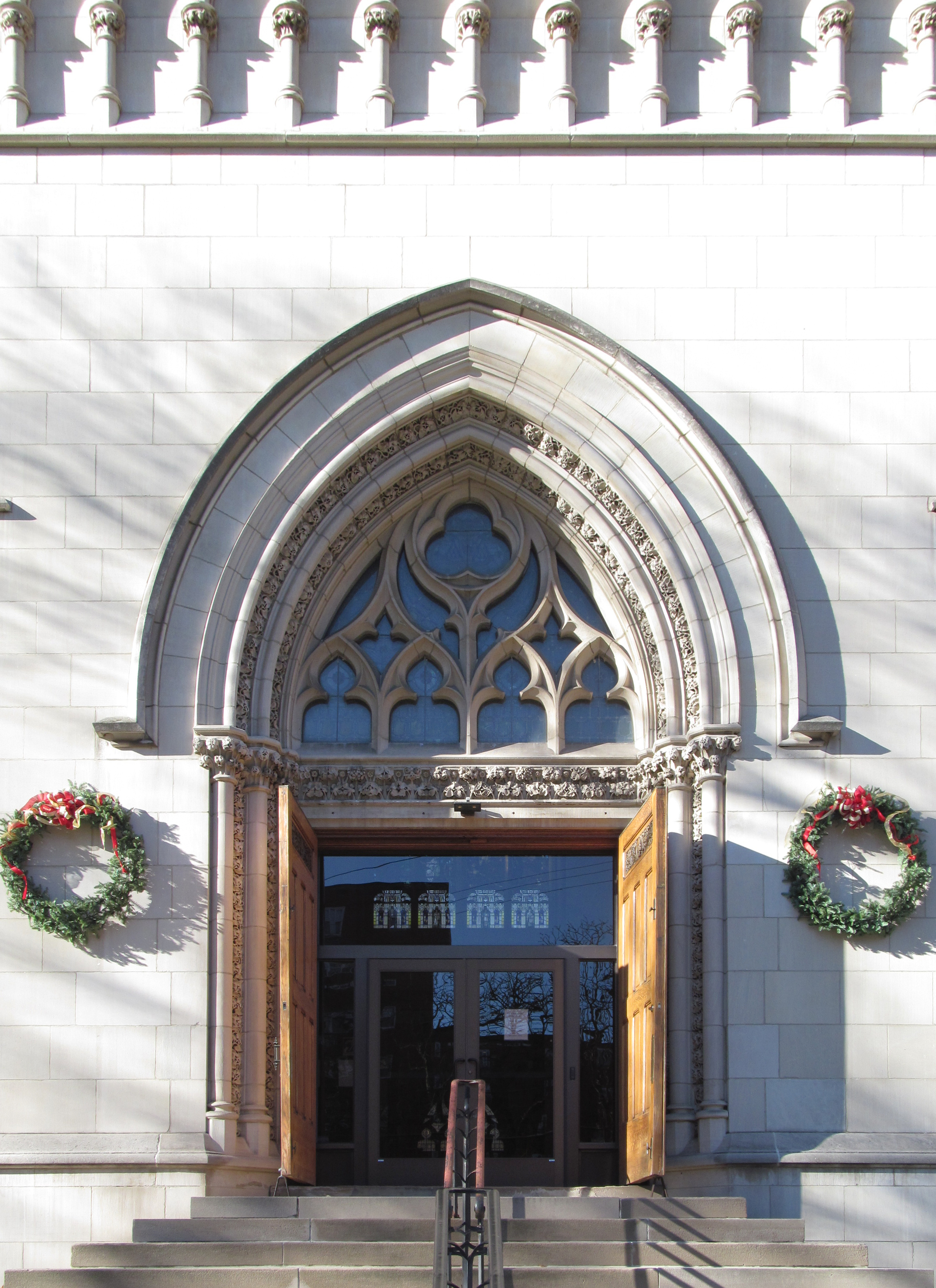
A modest stone building from the 1940s that successfully creates the impression of having grown up out of the native rock by natural processes.


A modest stone building from the 1940s that successfully creates the impression of having grown up out of the native rock by natural processes.

A statue of St. Simon the Zealot on the east transept façade of St. Paul’s Cathedral. He is identified by the instrument of his martyrdom, the saw, which (according to one common tradition) was also how the prophet Isaiah was killed.

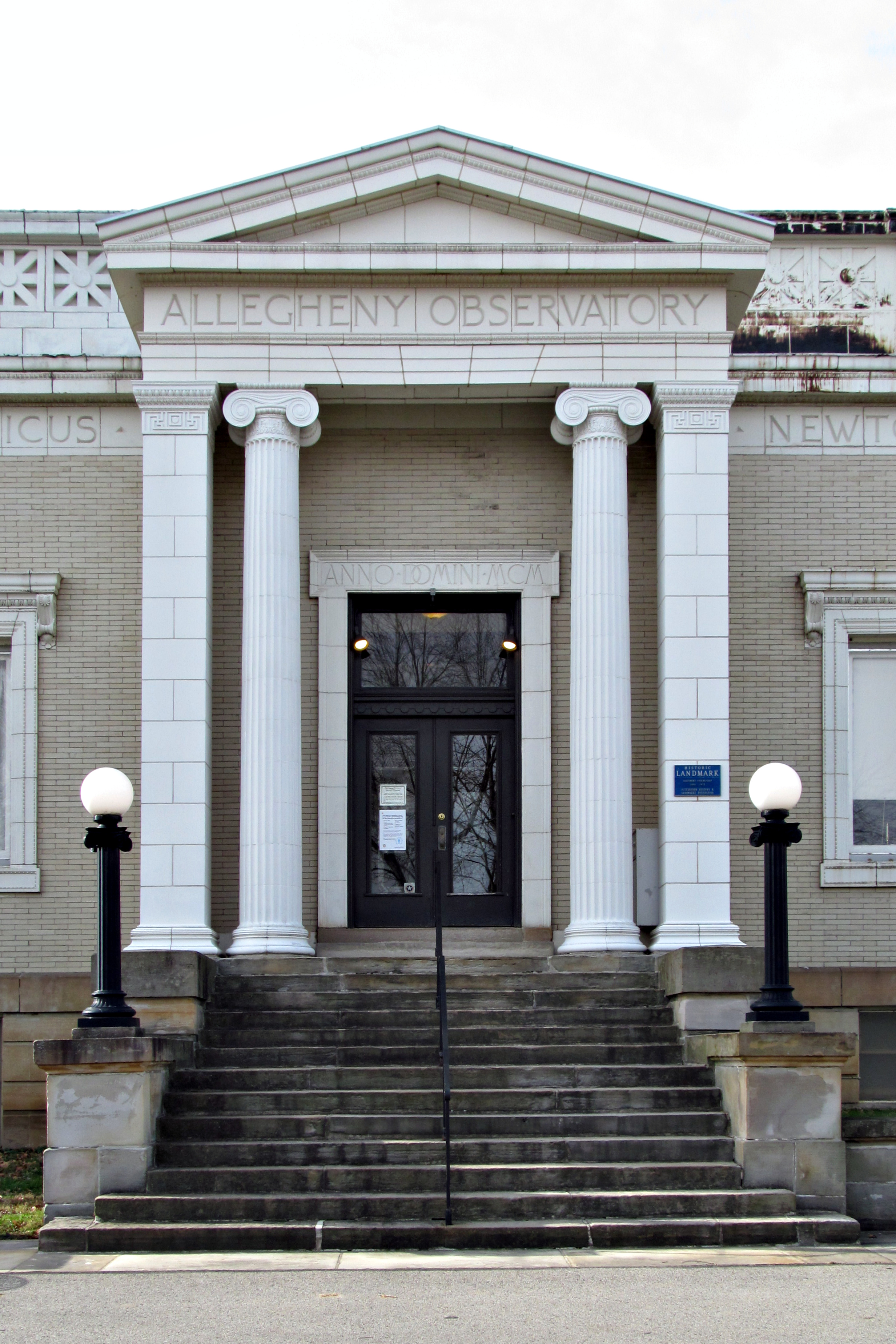
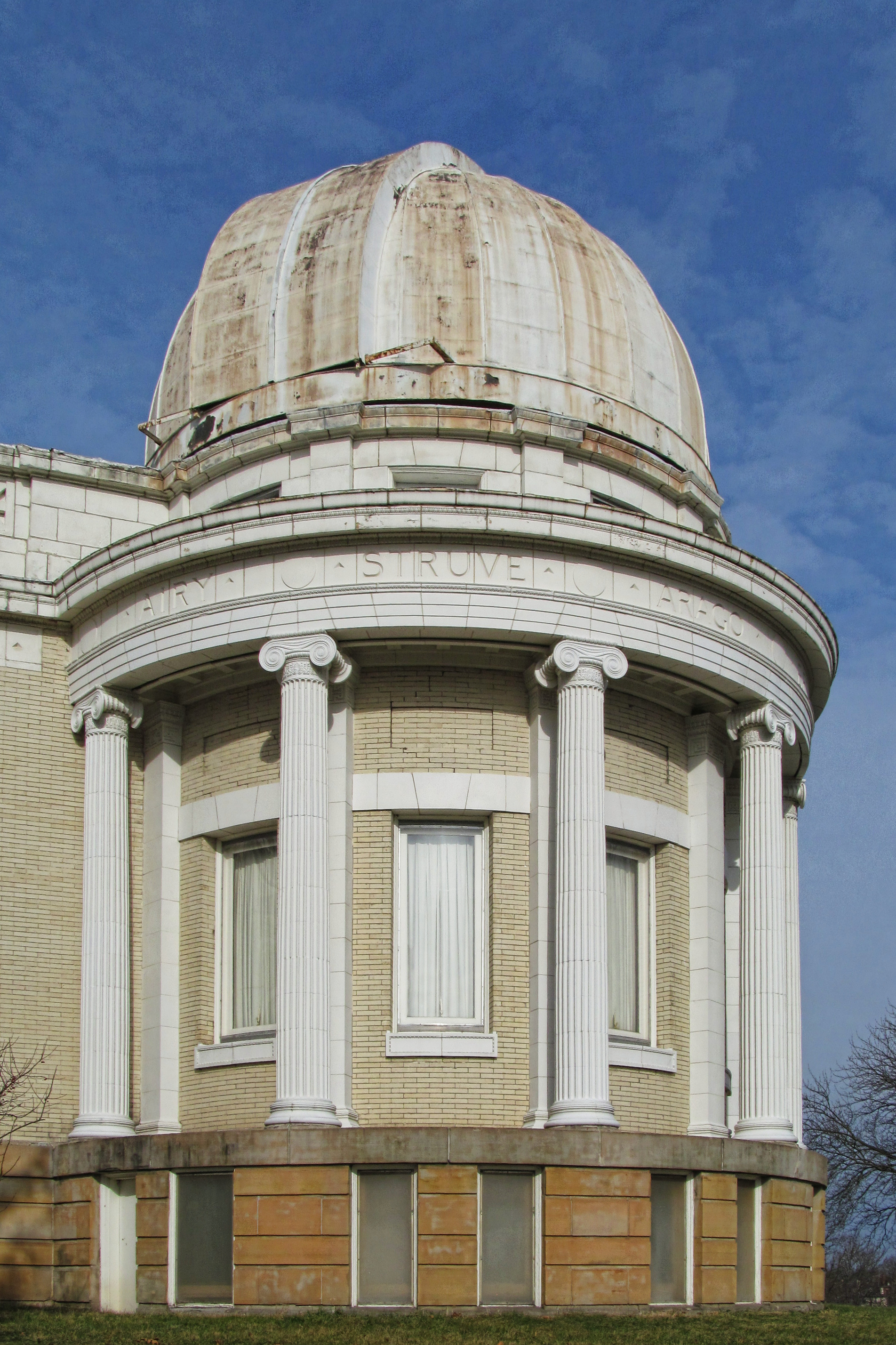
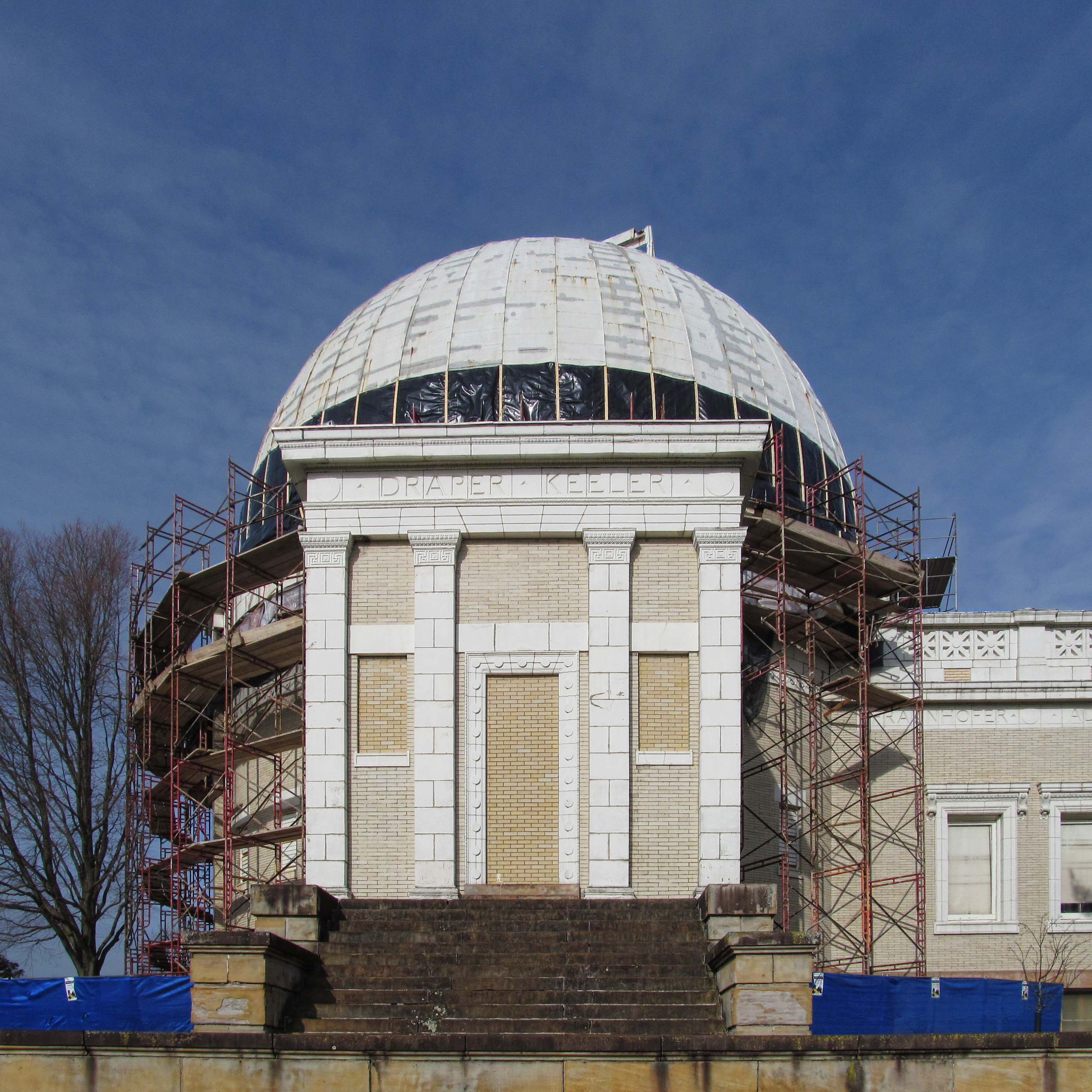
The Allegheny Observatory, begun in 1900, is getting some restoration work. The architect was Thorsten E. Billquist, the sort of name one wishes one had invented.




The wonderfully elaborate top of the Arrott Building reflected in the Patterson Building.

The American sycamore (Platanus occidentalis) is notable for its peeling bark, which comes off in sheets, leaving gleaming white underneath.

There are three species of Platanus in the United States, but P. occidentalis is the one that grows in the East, suggesting that some botanist was disoriented in the most literal possible sense.
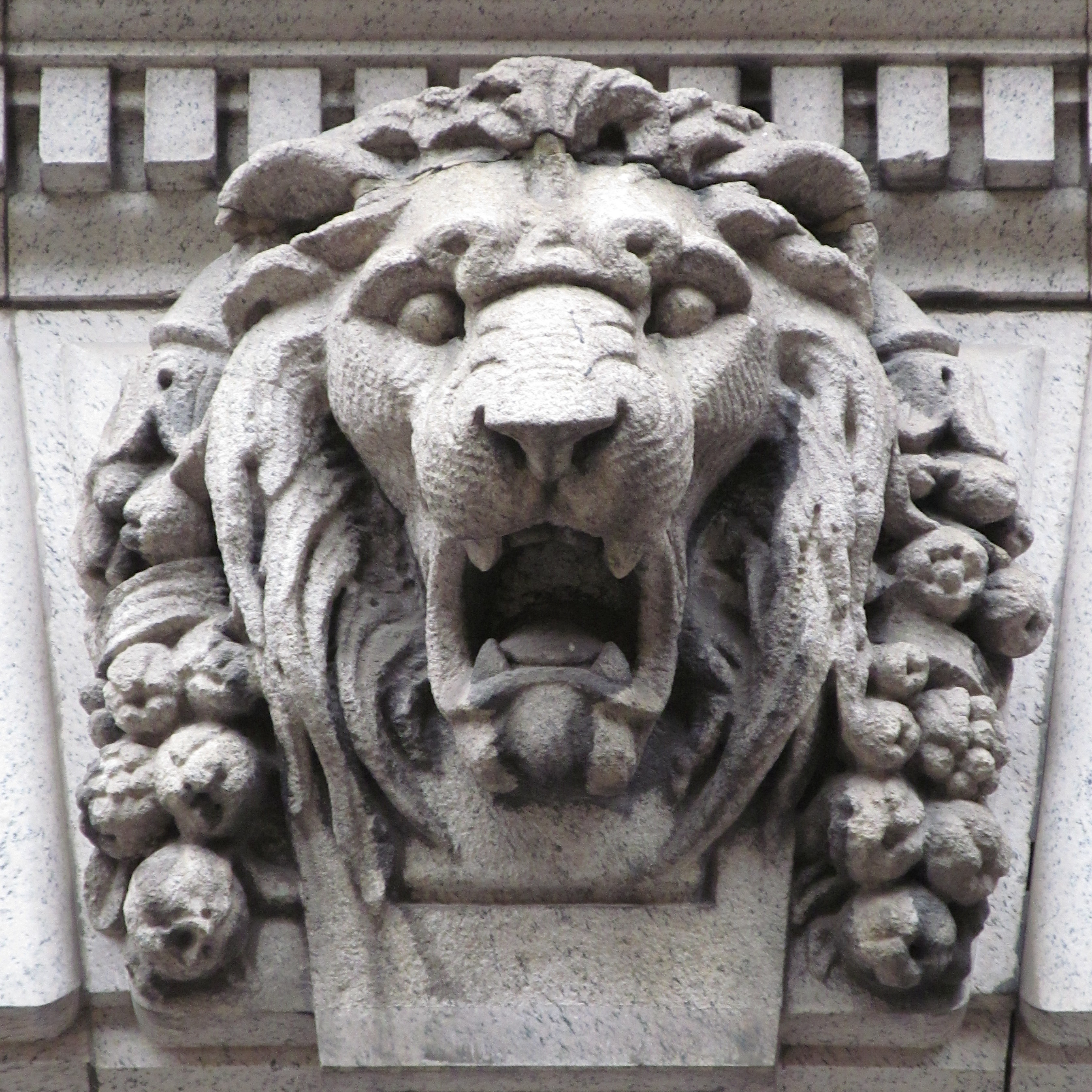
Fourth Avenue has a denser population of lions than anywhere else in Pittsburgh, and possibly anywhere else in North America.


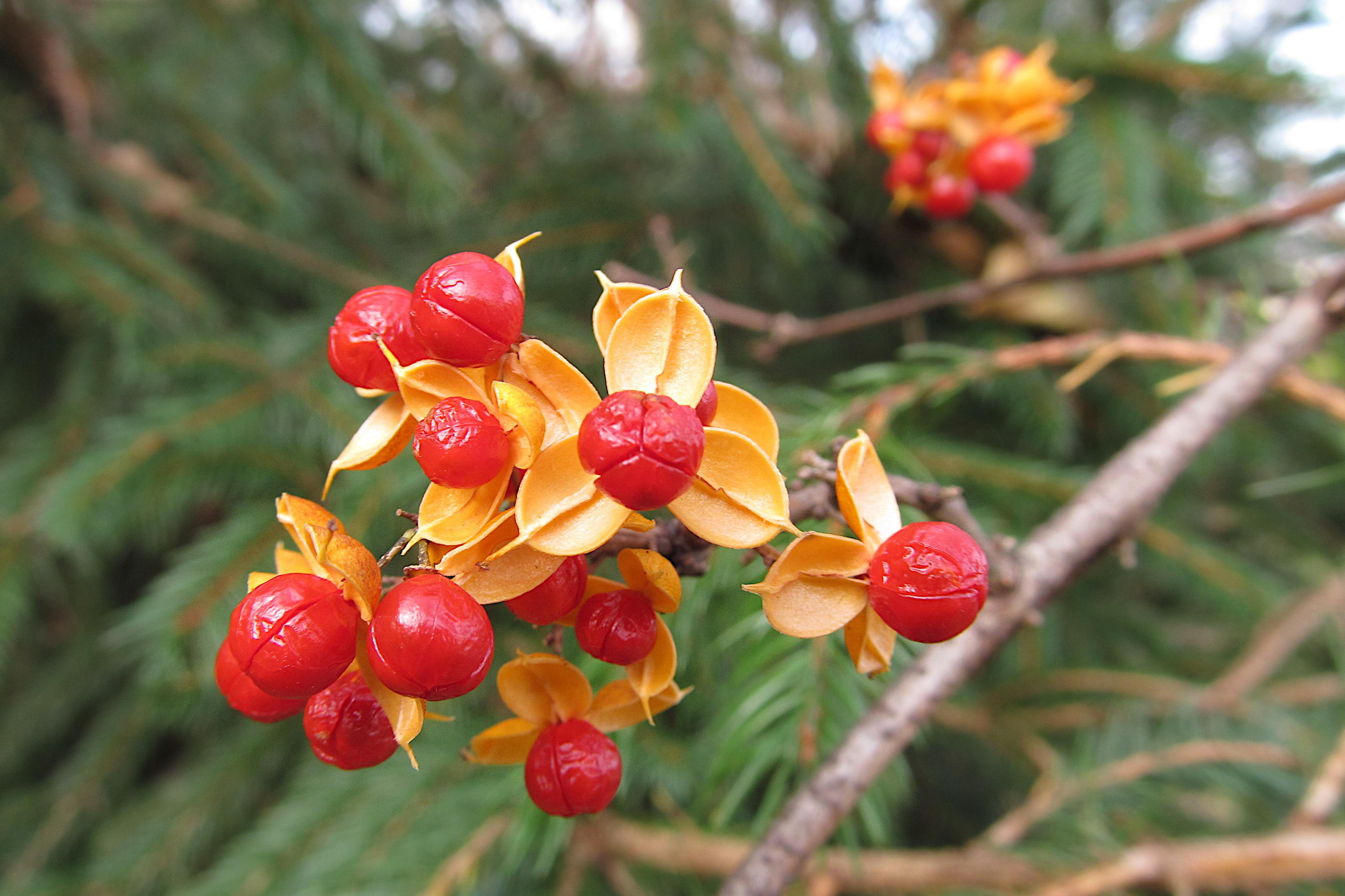
Like many invasive species, Oriental Bittersweet came here because it was beautiful. Its berries make a lively splash of color in the winter, especially against a backdrop of evergreens. This vine was growing at the edge of the woods in Bethel Park.

One of the most pleasant shopping streets in the South Hills, Potomac Avenue has a remarkable variety of things to do in a short space. There are coffeehouses, restaurants, an undivided neighborhood movie palace still showing movies, a wine shop, a bakery, a bookstore, a large and well-stocked Turkish-Russian grocery, an oriental-rug dealer, and a streetcar stop on the Red Line (Potomac) that makes it all accessible.
The old Dormont Presbyterian Church (now North Way Christian Community) dominates the street in just the right way.


A winter view from the Mellon Institute. This is a high-dynamic-range picture made from three separate photographs, which helps preserve the detail in the shadows as well as the sunlight.