
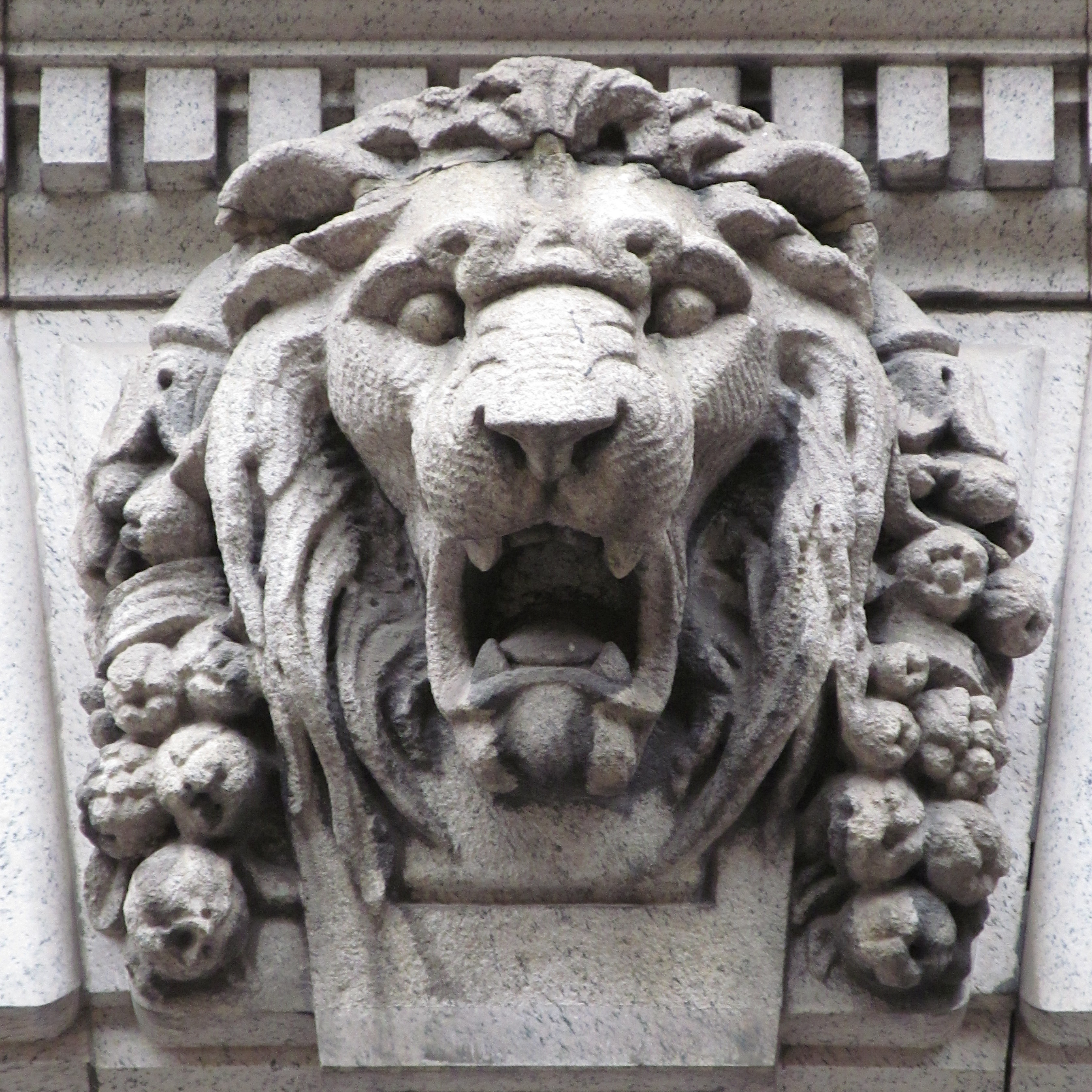
Fourth Avenue has a denser population of lions than anywhere else in Pittsburgh, and possibly anywhere else in North America.

Fourth Avenue has a denser population of lions than anywhere else in Pittsburgh, and possibly anywhere else in North America.

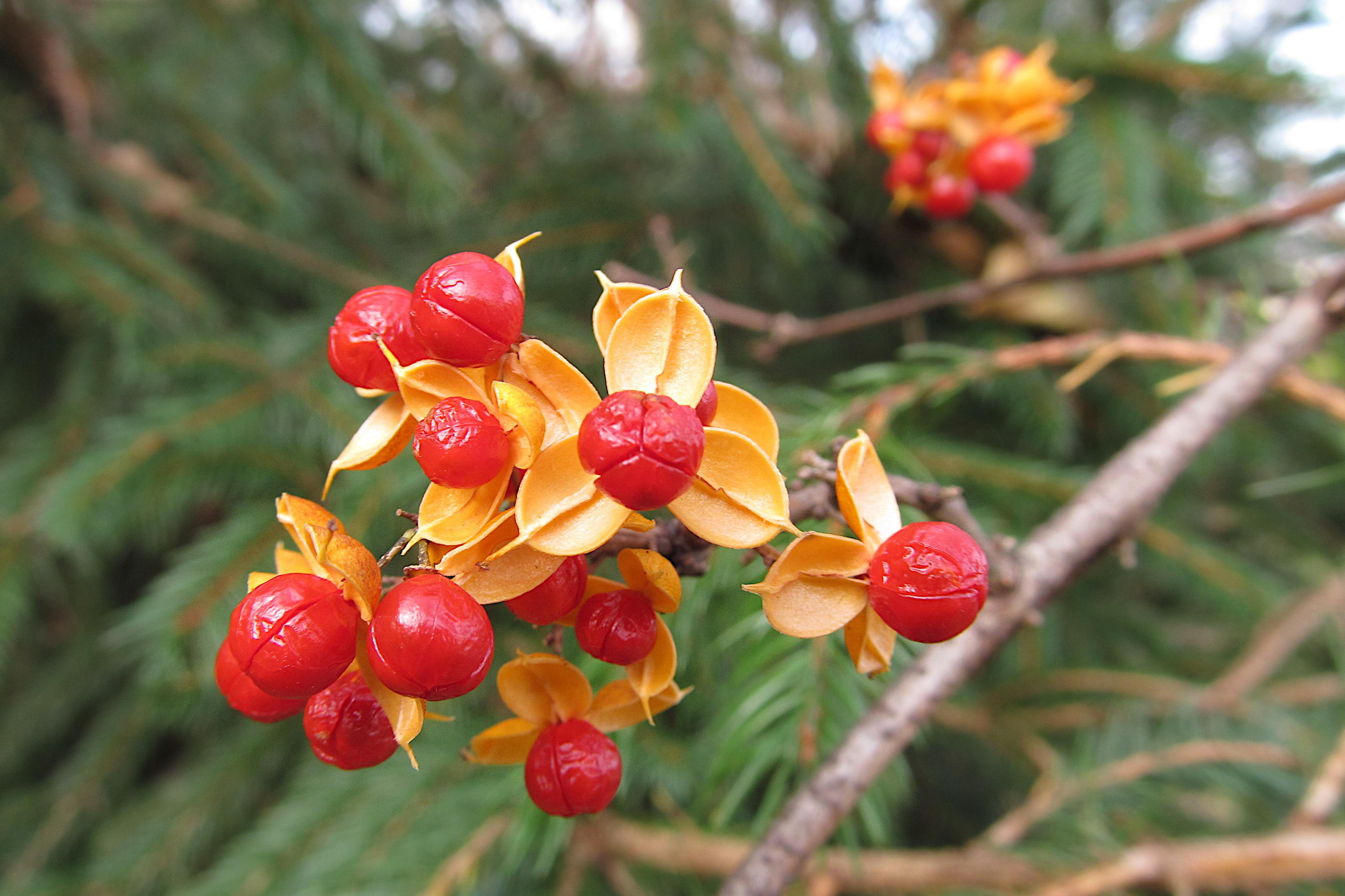
Like many invasive species, Oriental Bittersweet came here because it was beautiful. Its berries make a lively splash of color in the winter, especially against a backdrop of evergreens. This vine was growing at the edge of the woods in Bethel Park.

One of the most pleasant shopping streets in the South Hills, Potomac Avenue has a remarkable variety of things to do in a short space. There are coffeehouses, restaurants, an undivided neighborhood movie palace still showing movies, a wine shop, a bakery, a bookstore, a large and well-stocked Turkish-Russian grocery, an oriental-rug dealer, and a streetcar stop on the Red Line (Potomac) that makes it all accessible.
The old Dormont Presbyterian Church (now North Way Christian Community) dominates the street in just the right way.


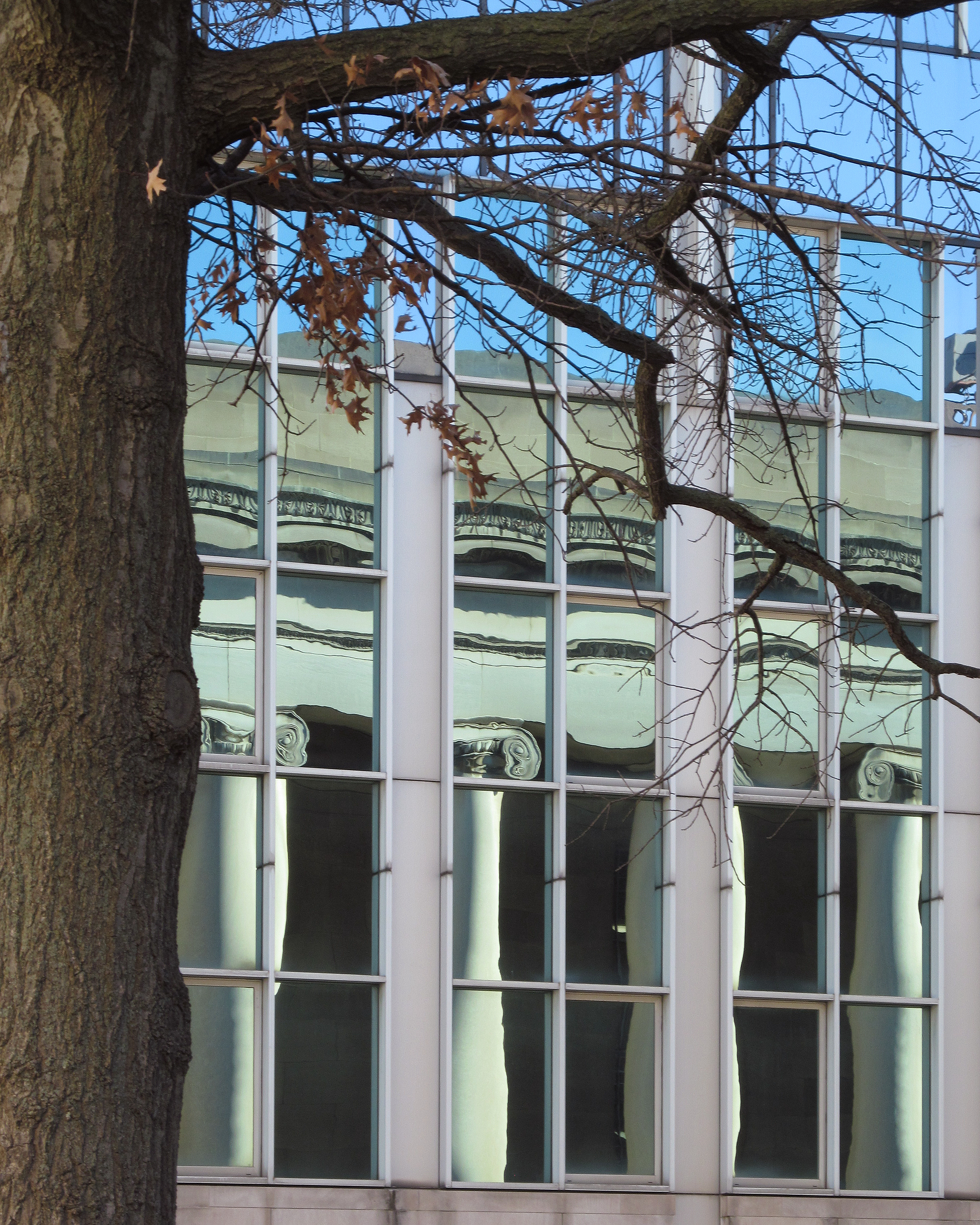
A winter view from the Mellon Institute. This is a high-dynamic-range picture made from three separate photographs, which helps preserve the detail in the shadows as well as the sunlight.
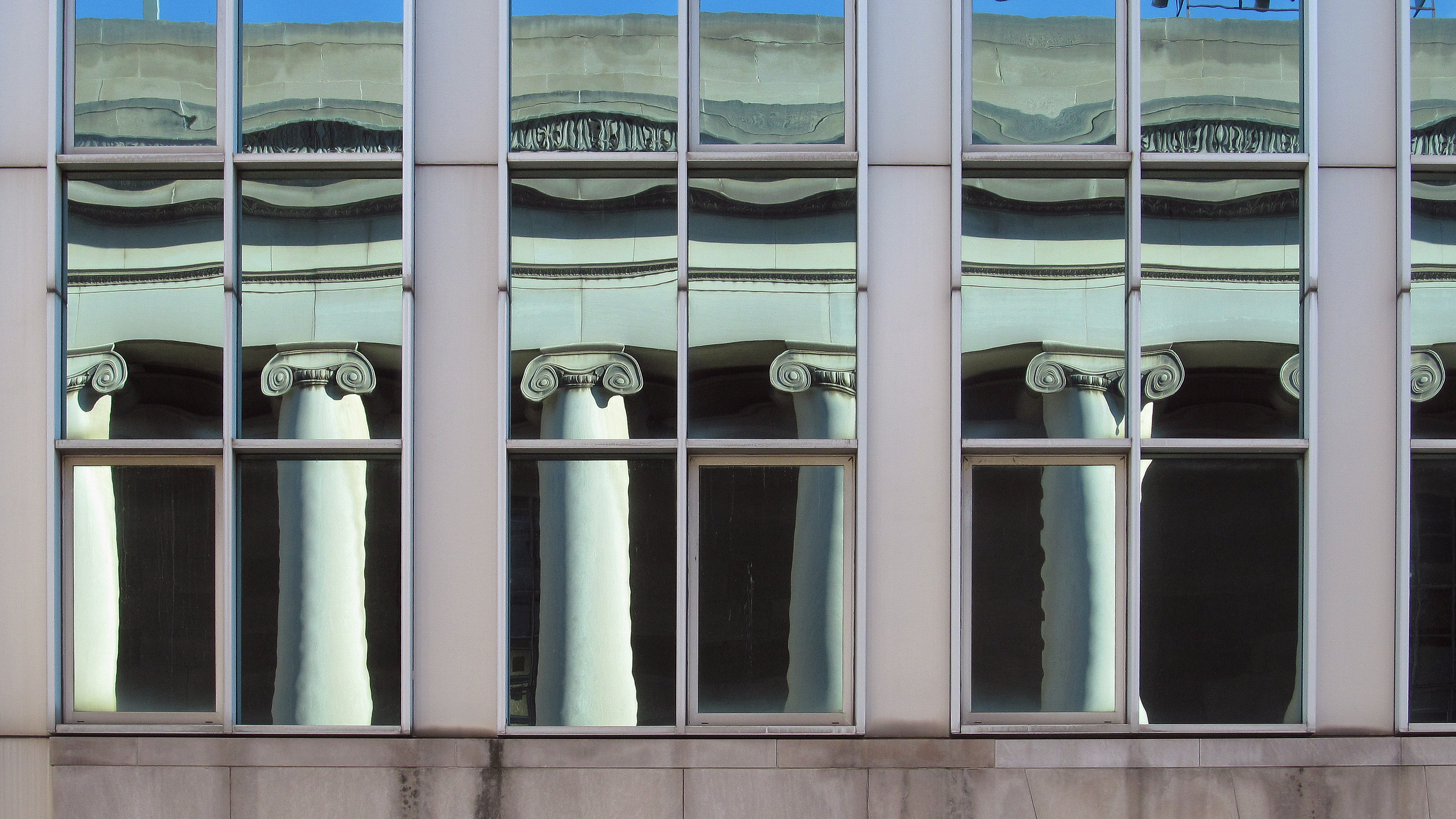
The titanic columns of the Mellon Institute reflected in the Software Engineering Institute.


In his earlier career, Frederick Osterling carved out a niche for himself providing Richardsonian Romanesque buildings for people who couldn’t get Richardson (because Richardson was dead). The Allegheny County Courthouse created a mania for the style in Pittsburgh, and Osterling seems to have had all the work he could handle. In this building from 1892, we see the hallmarks of Osterling’s own variation on the style. He was more florid than Richardson, but he was always aware of the overall composition, never allowing the numerous individual details to break up the carefully orchestrated rhythm of the façade.
Below, we see the Times Building in context, with One Oxford Centre looming in the middle distance.

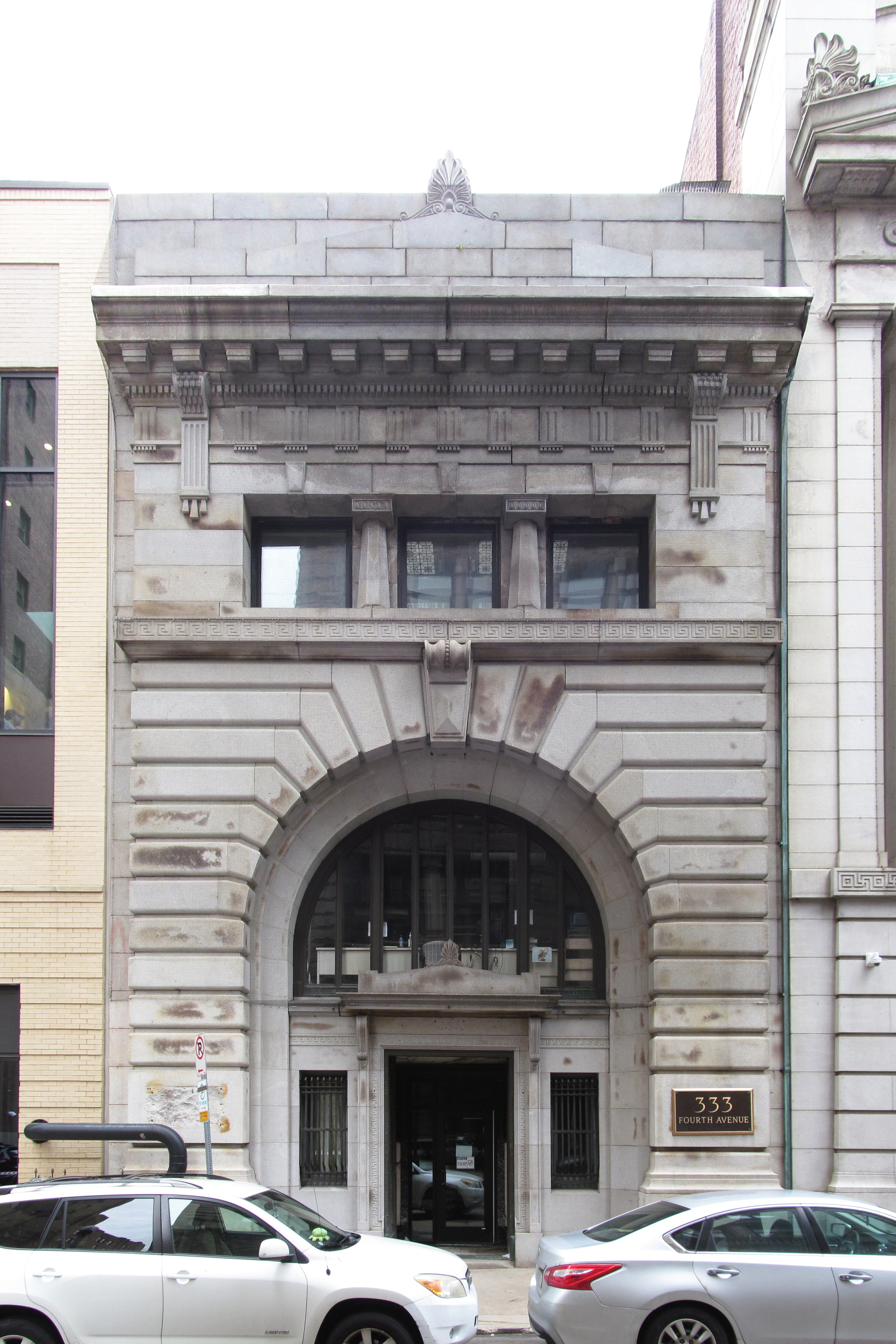
A little bank built in 1903, designed to convey the message that you don’t have to be big to be rich. The architect was Charles M. Bartberger.

A proud eagle perches on a keystone, reminding us that this tower on Fourth Avenue was built for the Keystone Bank, though it now houses the Pittsburgh Technology Center. The tower is in a somewhat mutilated state, but many of its decorations are still intact.
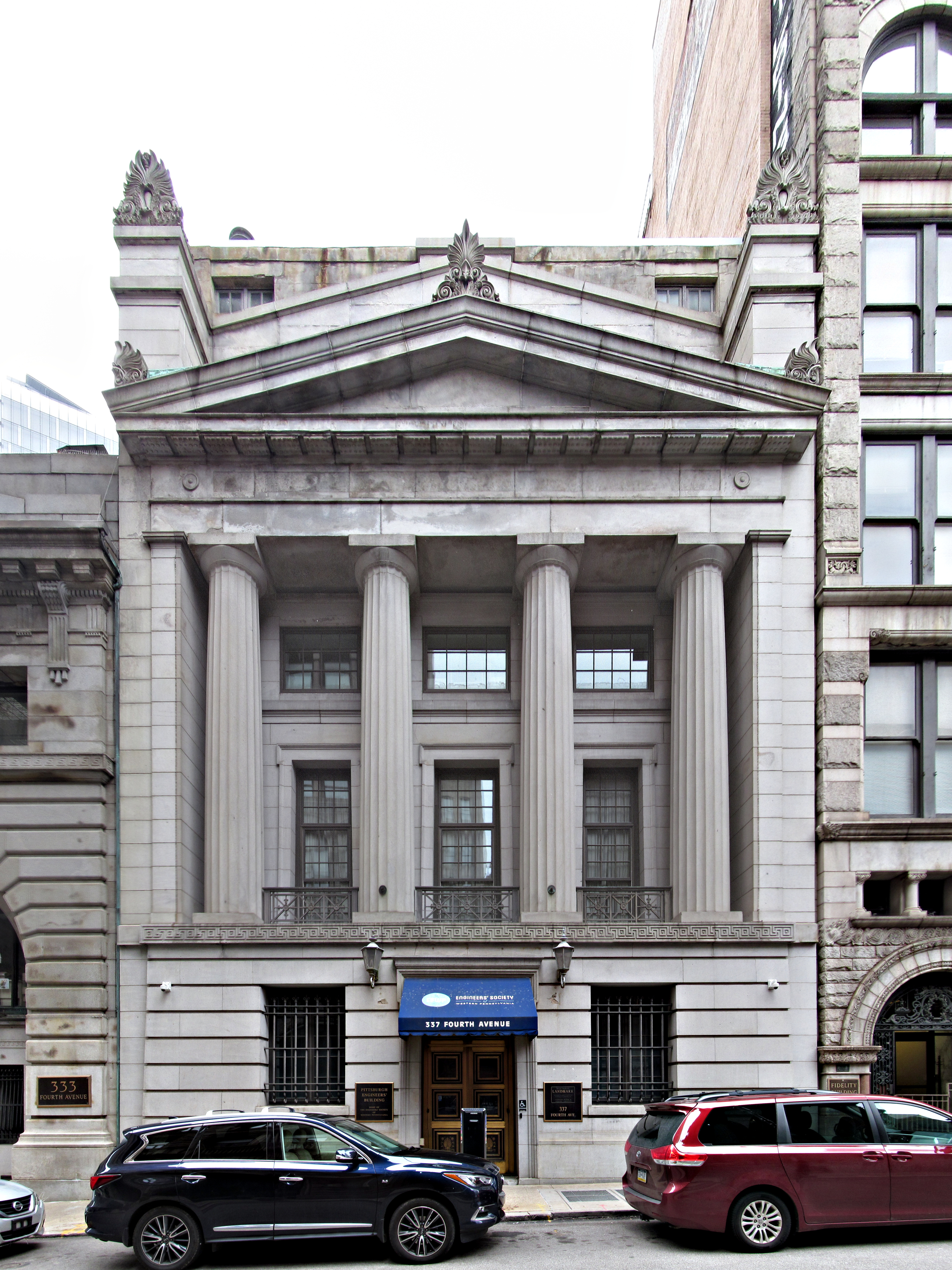
“Make no little plans,” said Daniel Burnham; “they have no magic to stir men’s blood and probably themselves will not be realized.” The Chicago Tribune tells us the interesting story of the long search for the original source of that quotation, and the determination that it was in fact what Burnham said. It is probably the second-most-famous quotation from an architect in history: only Louis Sullivan’s “Form follows function” has been heard more often.
Outside Chicago, Pittsburgh was where the great Burnham was most prolific. Many of our most famous buildings—the Oliver Building, Penn Station, the Frick Building, and a good number of others—are by Burnham. Most of them are colossal. But the old Union Trust Company building—now the Engineers’ Society of Western Pennsylvania—was his first work here, and it is on a small scale. Small, but rich and perfect in its way. The front is a traditional Doric temple; the treatment of the top storey behind the pediment seems to enclose the temple in its own perfect world, insulated from the ugly realities of Fourth Avenue commercialism around it. It was built in 1898, and it can be seen as an answer and a rebuke to the tasteless extravagance of Isaac Hobbs’ 1870 Dollar Bank building across the street.
