
Panther Hollow Lake in early spring, with the Cathedral of Learning in the background and a pair of Canada geese floating on the water.
Panther Hollow Lake in early spring, with the Cathedral of Learning in the background and a pair of Canada geese floating on the water.
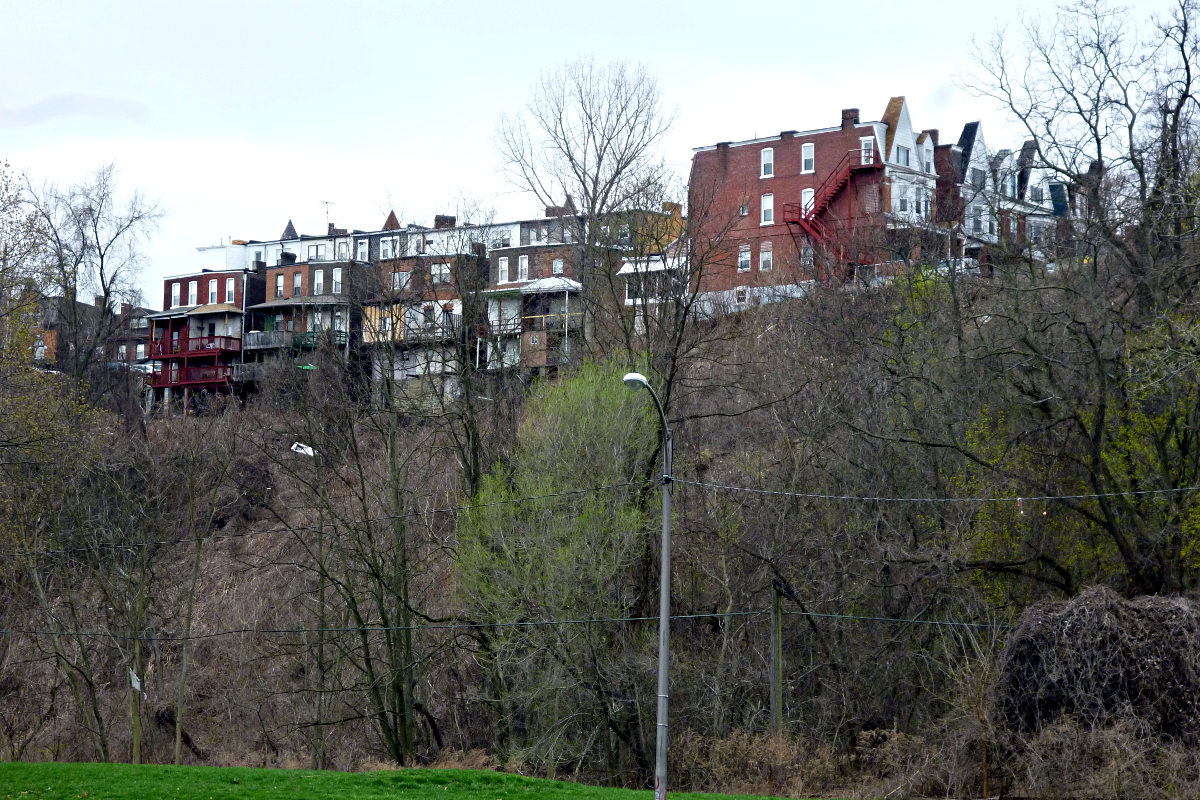
Tall, narrow rowhouses in South Oakland cling to the edge of Panther Hollow. Many of the houses have been converted to apartments.

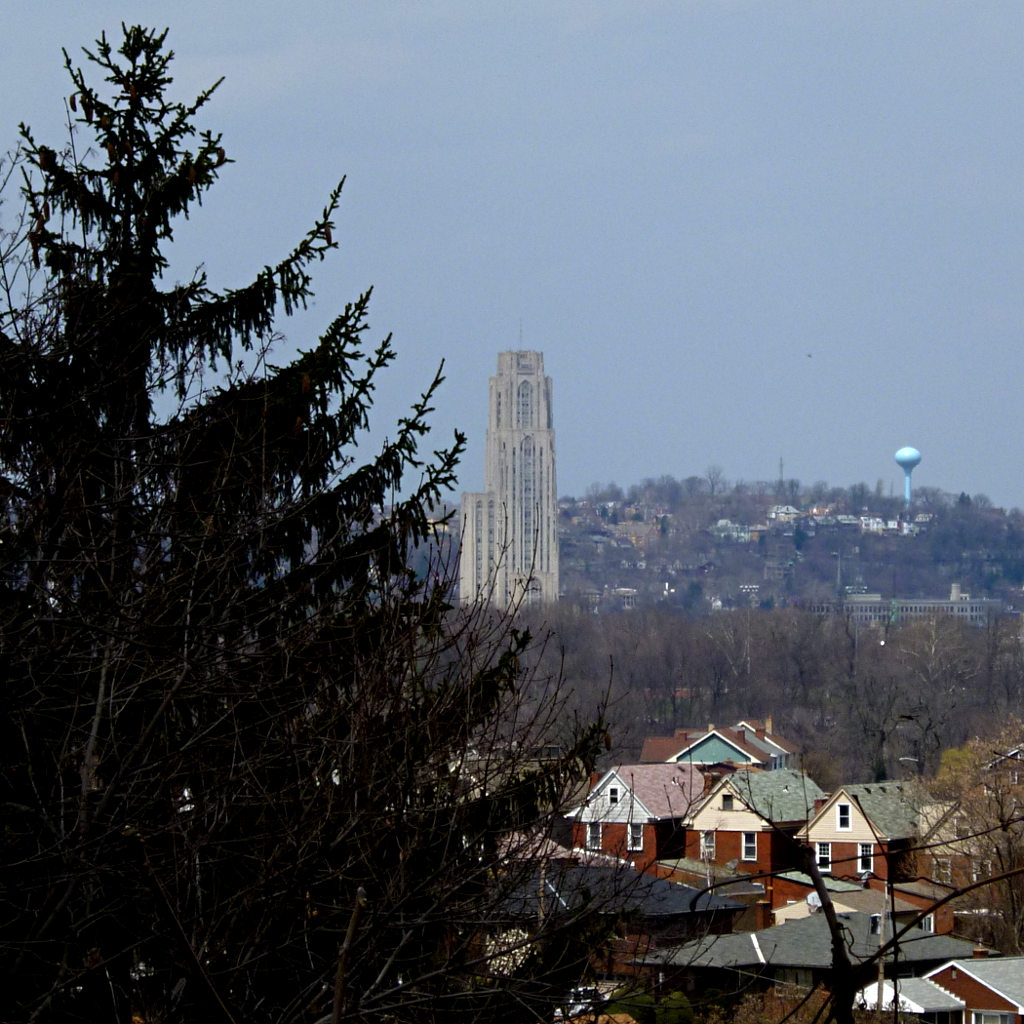
Greenfield is a hilly neighborhood whose peaks sometimes open up unexpected views of the city. Here we see two different views of the Cathedral of Learning in the distance.

Originally the main entrance and still the centerpiece of the vast Carnegie establishment in Oakland, this three-storey open space is decorated with murals by John White Alexander depicting the Apotheosis of Pittsburgh. Most museum visitors ignore them while hurrying on past to the dinosaurs, but the mural group is actually one of the museum’s great artistic treasures. It’s worth spending half an hour in the Grand Staircase picking out the details, like the faces of the damned in the billowing smoke.

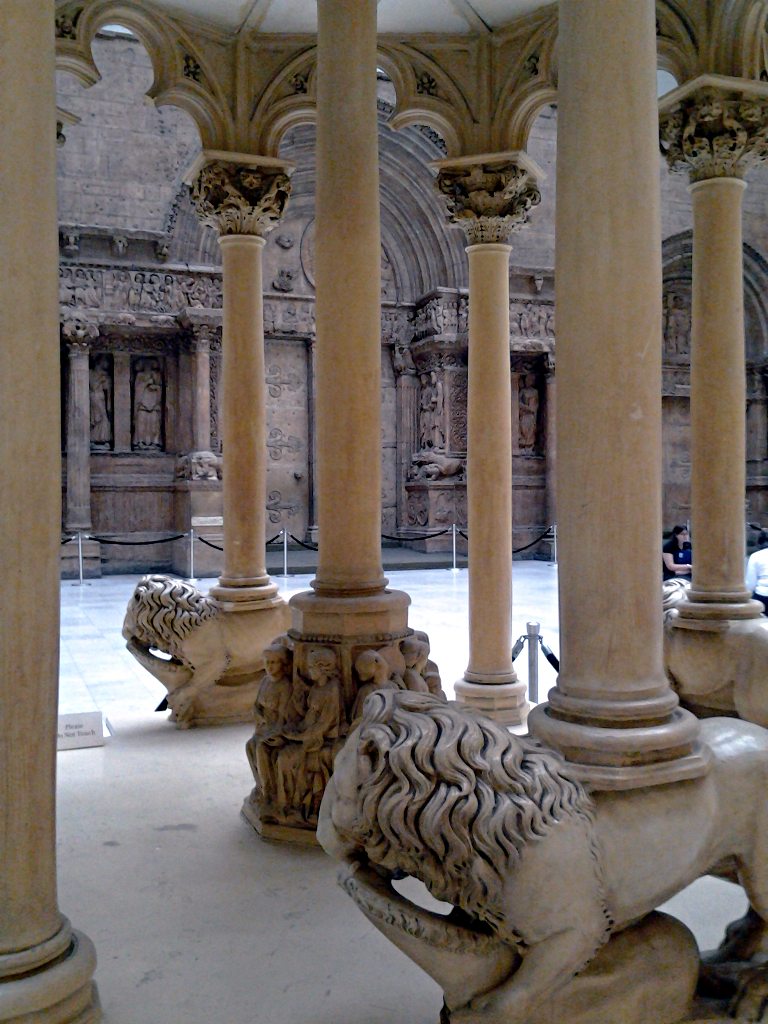
This is the most breathtaking single room in the Western Hemisphere. That statement is likely to provoke some opposition, but Father Pitt is willing to defend it.
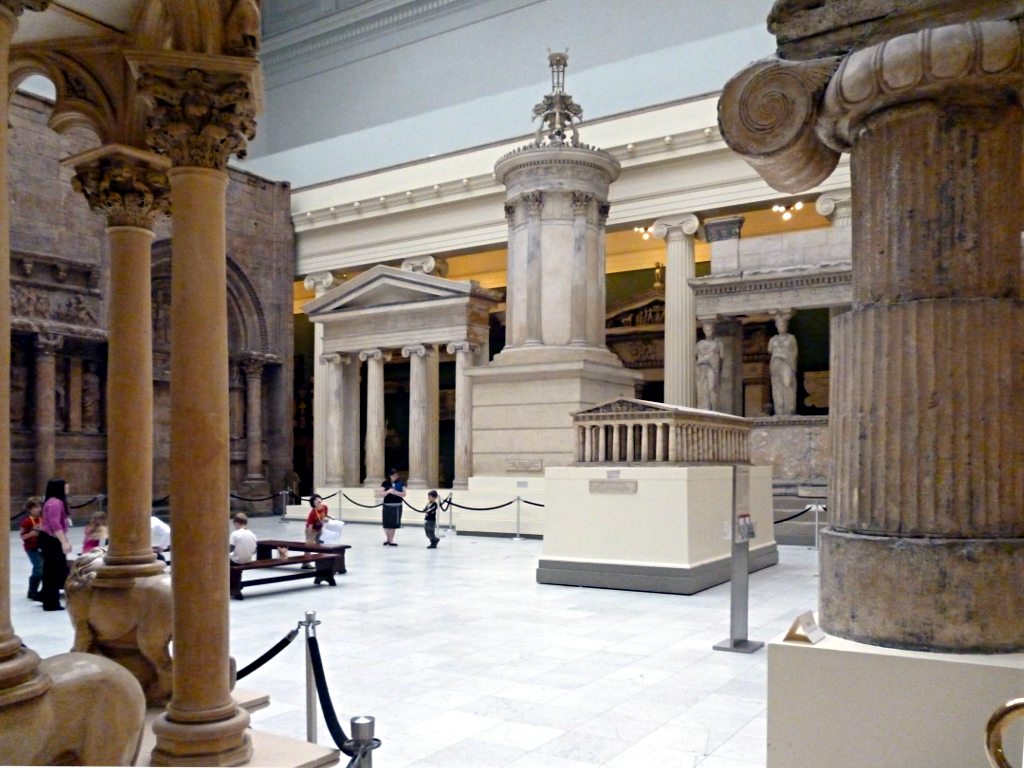
In the late nineteenth century, many museums collected plaster casts of the great monuments and sculptures of the past. The casting preserved the minutest details of the surface in three dimensions, so that a museum visitor can study every chisel mark on a famous Romanesque facade without having to hop on a steamer and travel to Europe.
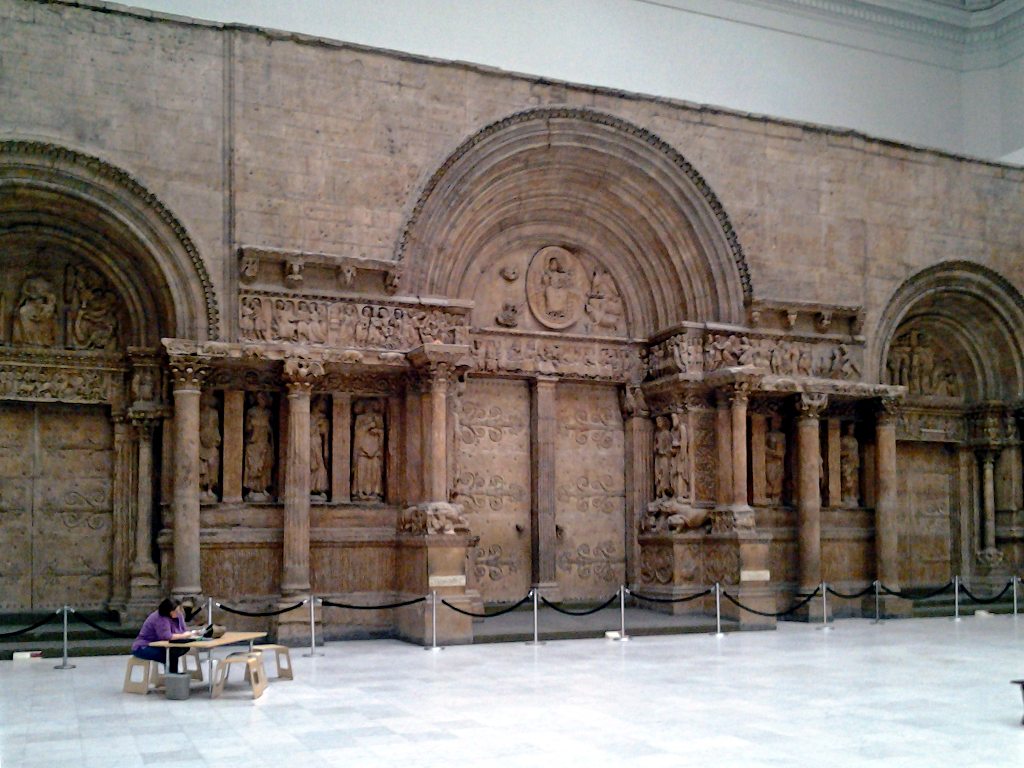
In the twentieth century, the cult of originality persuaded most museum curators that these plaster casts were worthless. Almost all the great collections were broken up and thrown out. Only three of them remain in the world, and only one of them—this one—is still in the space that was built to house it, never having been shuffled from one wing to another or stored for years under a highway overpass.
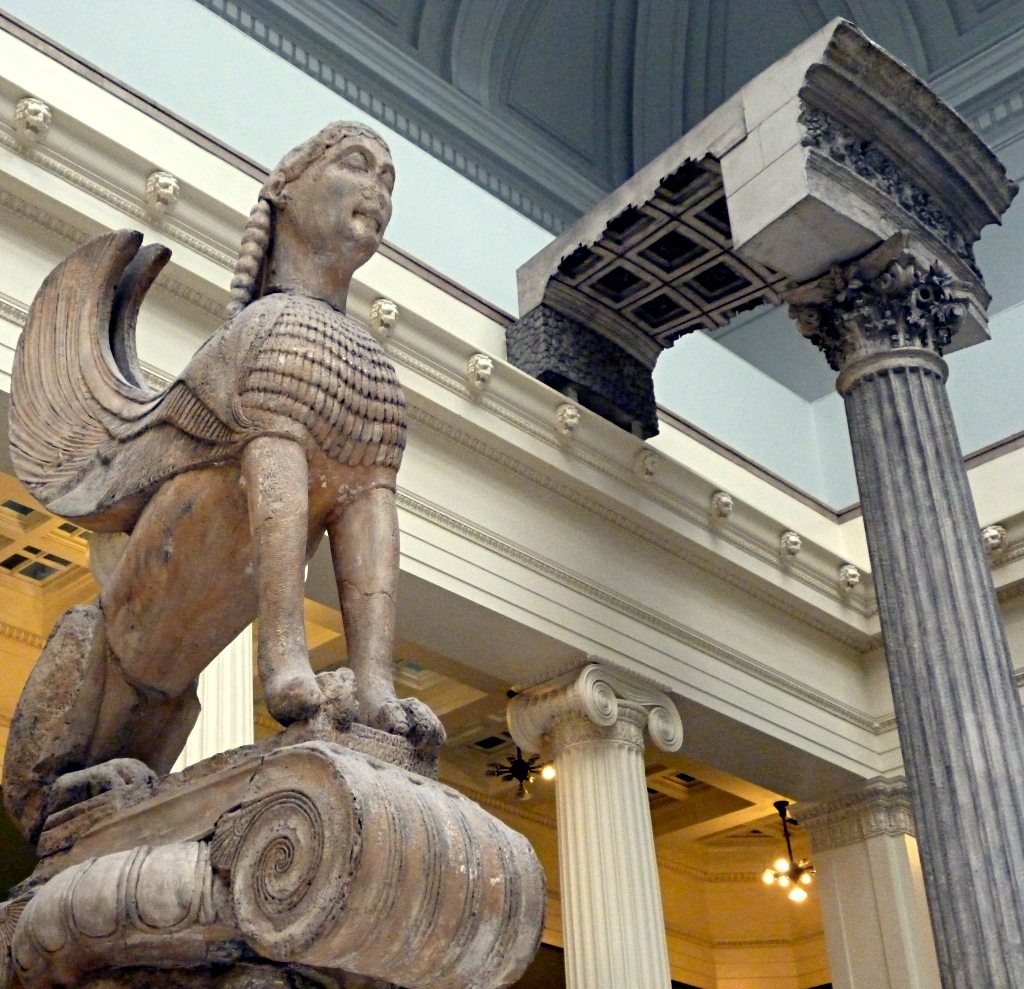
Now, at last, some of the more enlightened art historians are beginning to understand the value of the casts. Here a Pittsburgher can study the whole history of Western architecture from Egypt to the Renaissance without so much as crossing the Monongahela. But even more important is the fact that these casts are more than a century old. The twentieth century, with its corrosive pollution and horrendous wars, was more destructive to ancient monuments than any other century. But here we can see exact replicas of these monuments as they were before all the corrosion and destruction. This collection is a unique cultural treasure, worth crossing a continent or an ocean to see.
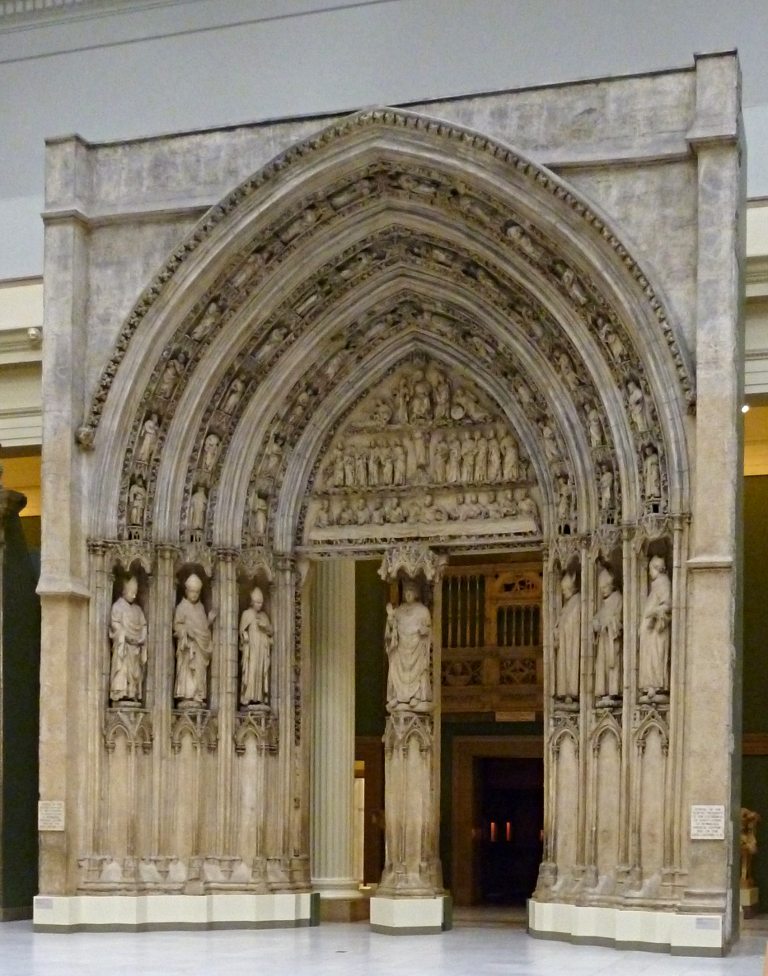
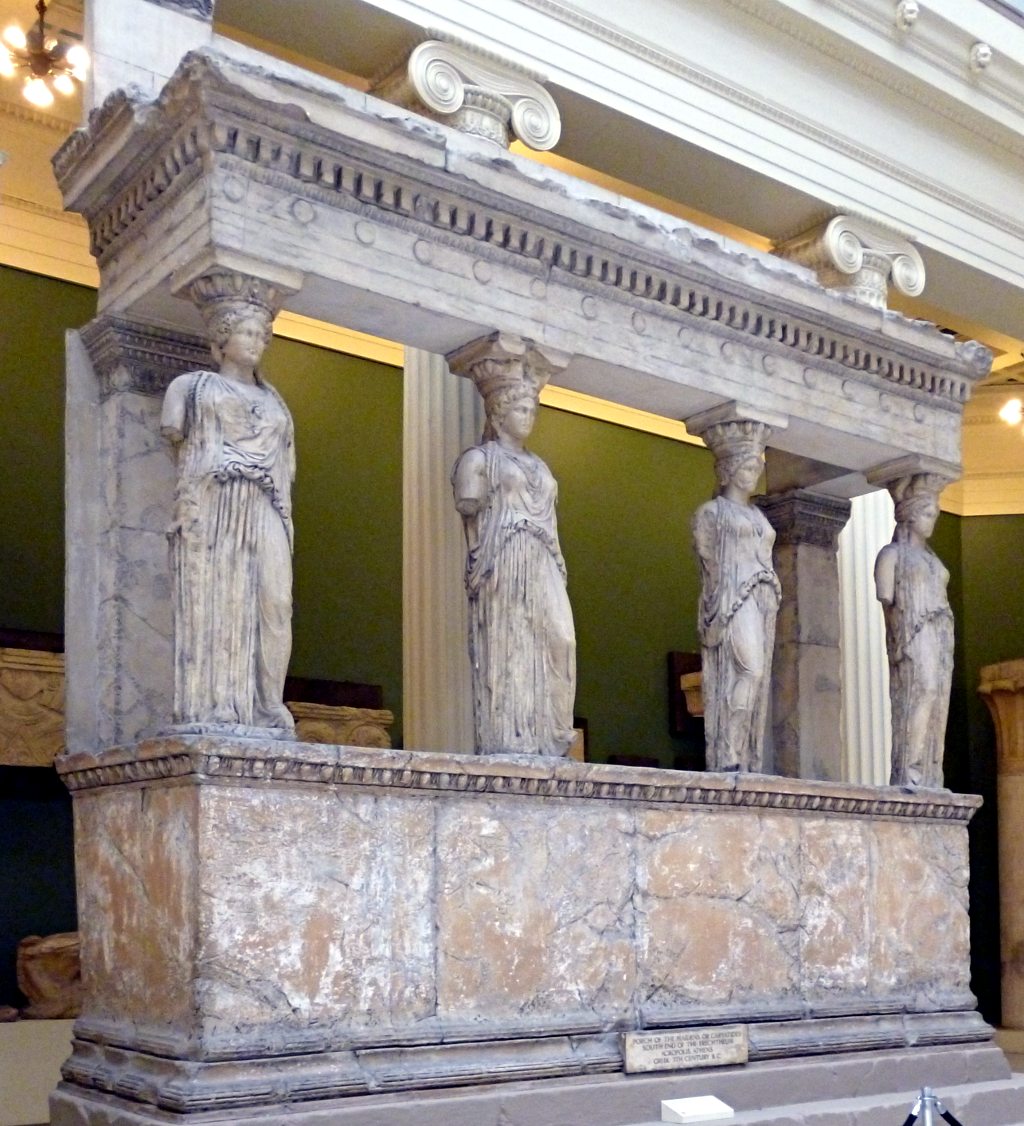
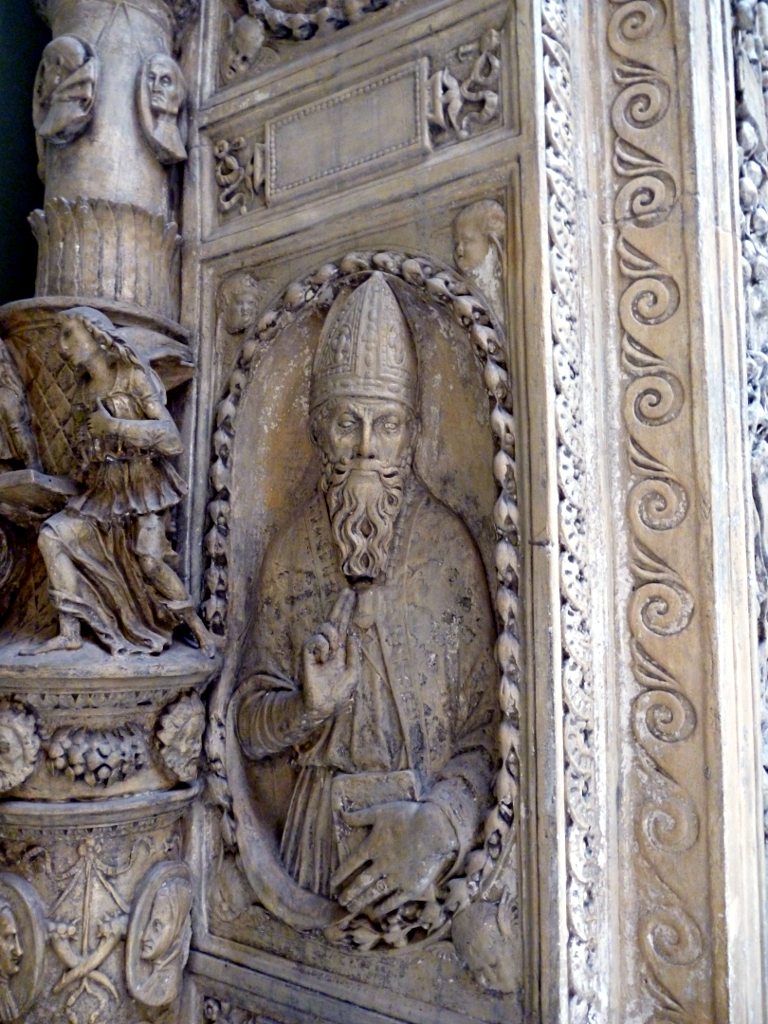

The Hall of Sculpture was built in imitation of the interior of the Parthenon, with marble from the same quarry that supplied the marble for the famous Athenian temple. It was intended to house the Carnegie’s collection of plaster casts of famous sculptures, some of which still adorn the balcony, and some of which have been moved to the Hall of Architecture. On the floor below, staff are hanging transparencies from clotheslines. Why? We’ll find out when they’re done.


The Cathedral of Leaning in Oakland,through one of the windows of the Ailsa Mellon Bruce Galleries in the Carnegie Museum of Art.

Old Pa Pitt has mentioned before that the columns surrounding the Mellon Institute in Oakland are supposedly the tallest monolithic columns in the world. But how big are they? For perspective, here is a woman sitting in front of them and talking on a cell phone. Can you spot her? Click on the picture to make it much bigger.
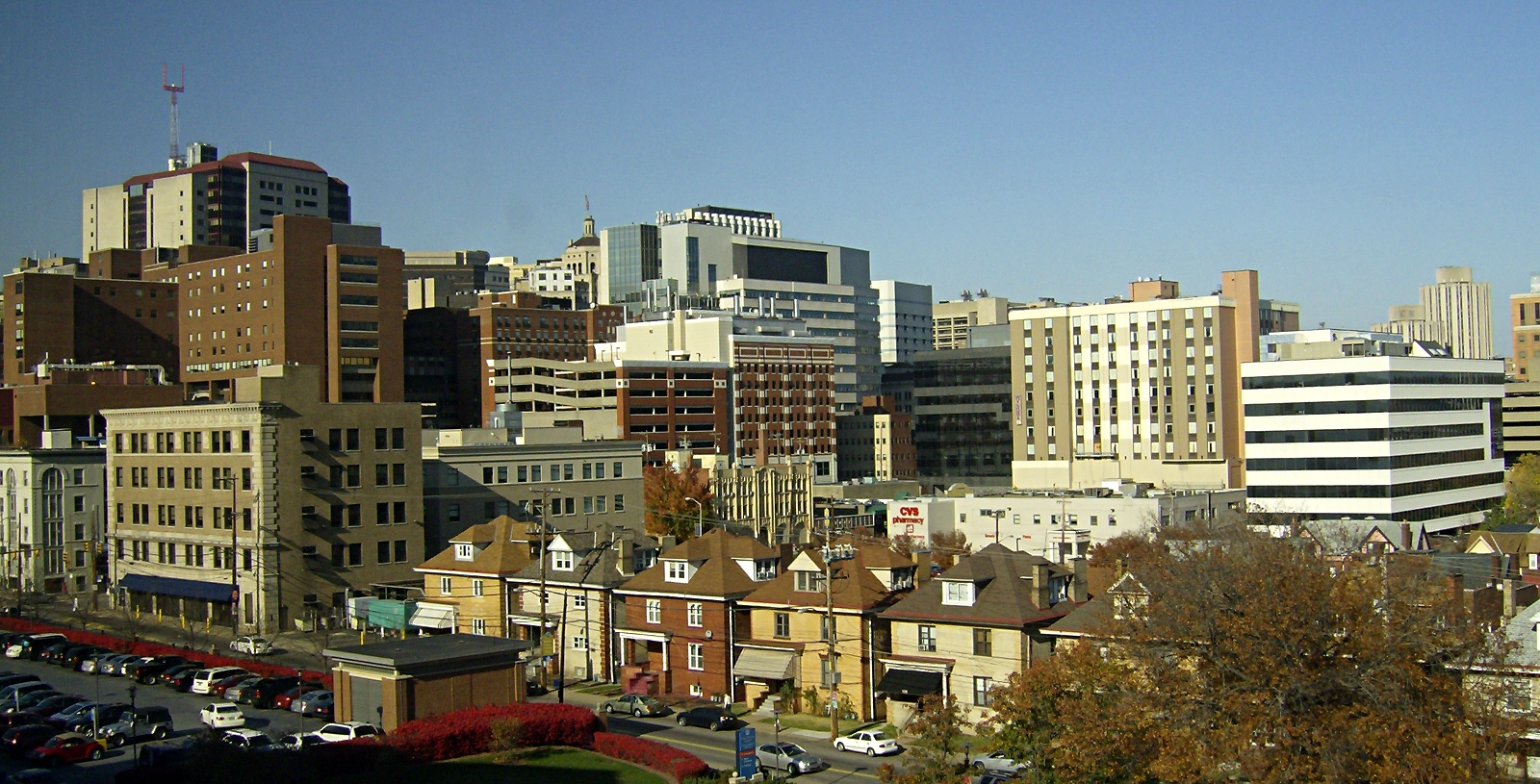
The crowded clutter of university and medical buildings that makes up central Oakland. If downtown is the heart of Pittsburgh, this is the brain, with three universities, two important museums, and a labyrinthine medical-research complex that covers several city blocks interconnected with pedestrian bridges. This view is looking toward the north, with Halket Street running diagonally in the foreground.
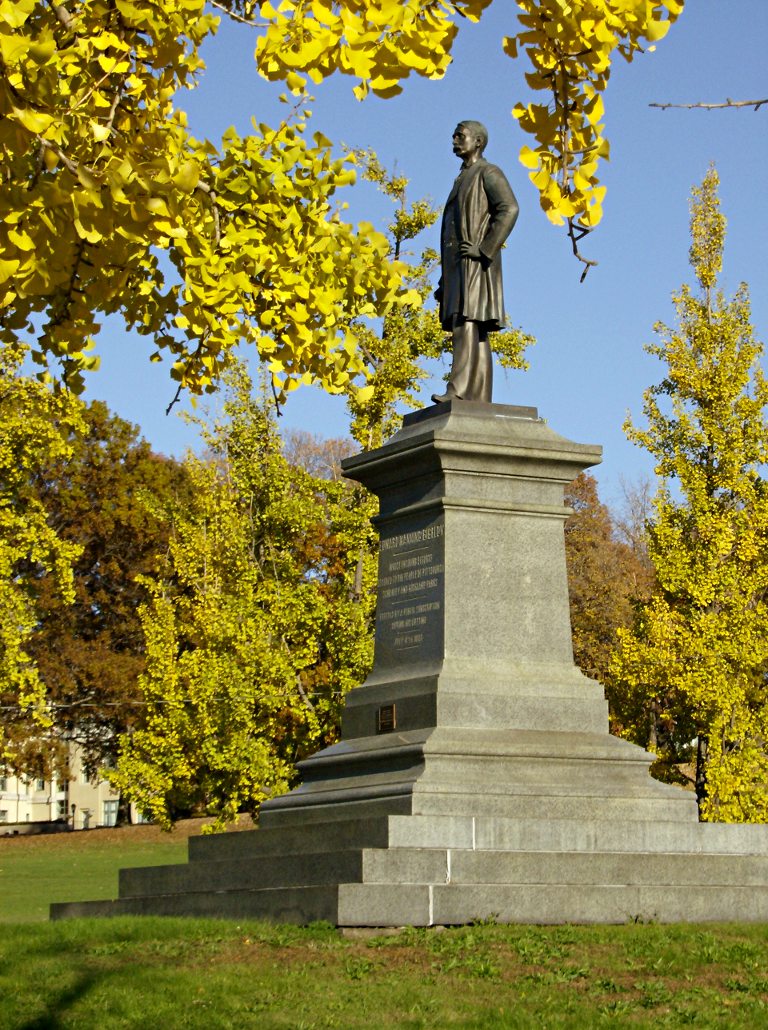
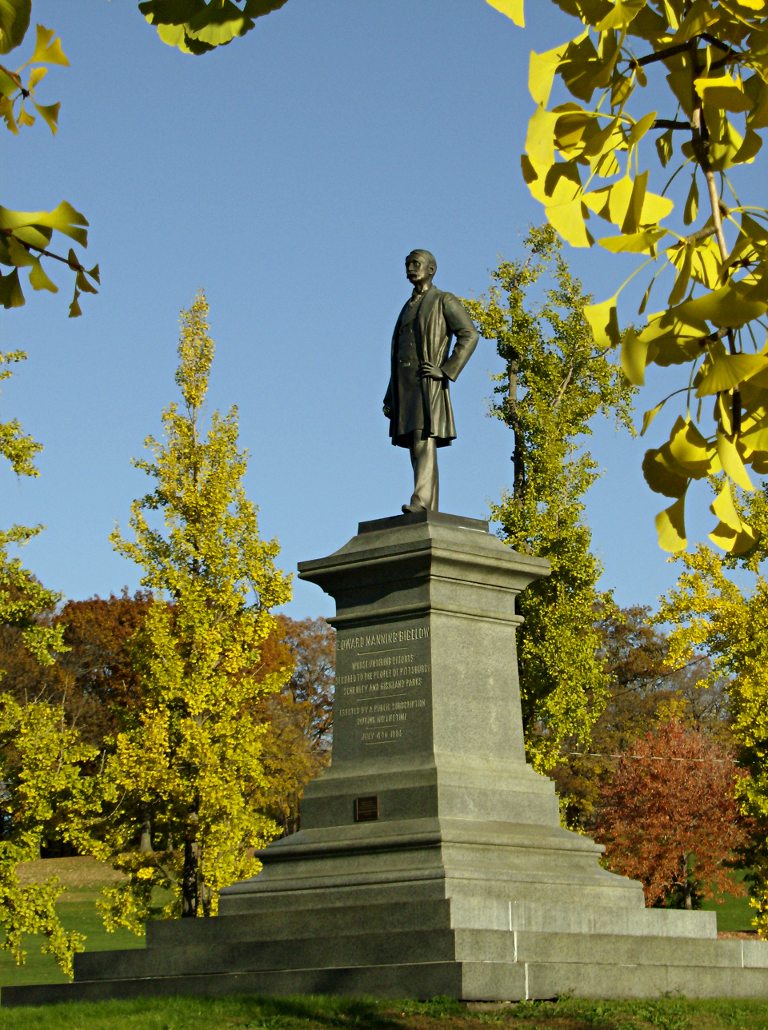
Edward Manning Bigelow was, by all accounts, as corrupt as any other Pittsburgh politician of his day. But he had two things that earn him a place in history: a vision of Pittsburgh as a great city, and a silver tongue with little old ladies. Seeing that Pittsburgh was rapidly expanding to the east, he determined that a great city must have a great park. Right in the way of the eastward expansion was Mary Schenley’s broad expanse of empty land. Mary Schenley was heiress to the O’Hara glass fortune, but she had abandoned Pittsburgh and moved to England. Bigelow went there and persuaded her to donate her land to the city. In her honor, we call it Schenley Park, and—just as Bigelow imagined it—it’s a beautiful oasis of fields, forests, and art in the middle of the city. One of those works of art is this statue of Bigelow himself, which stands in the middle of the street in front of Phipps Conservatory. Here we see it surrounded by the golden late-fall leaves of Ginkgo biloba.