Father Pitt

Category: Nature

  • The Earliest Daylily

    Every year these daylilies bloom at the end of May, often while the last tulips are still blooming, and weeks before most of the other daylilies in the city appear. They came from an unnamed hybrid seedling.

  • Purple Archangel

    Old Pa Pitt is trying to teach himself to call this beautiful little weed “Purple Archangel,” because it is much more poetic than the name he has always used for it, “Purple Dead-Nettle.”

  • English Bluebells

    Why did English bluebells (Hyacinthoides non-scripta) sprout uninvited in a small city yard in Pittsburgh? Because life is better than we deserve.

  • Woodland Phlox

  • Great White Trillium

  • Apple Blossoms

  • More Tulips

  • More Cherry Blossoms

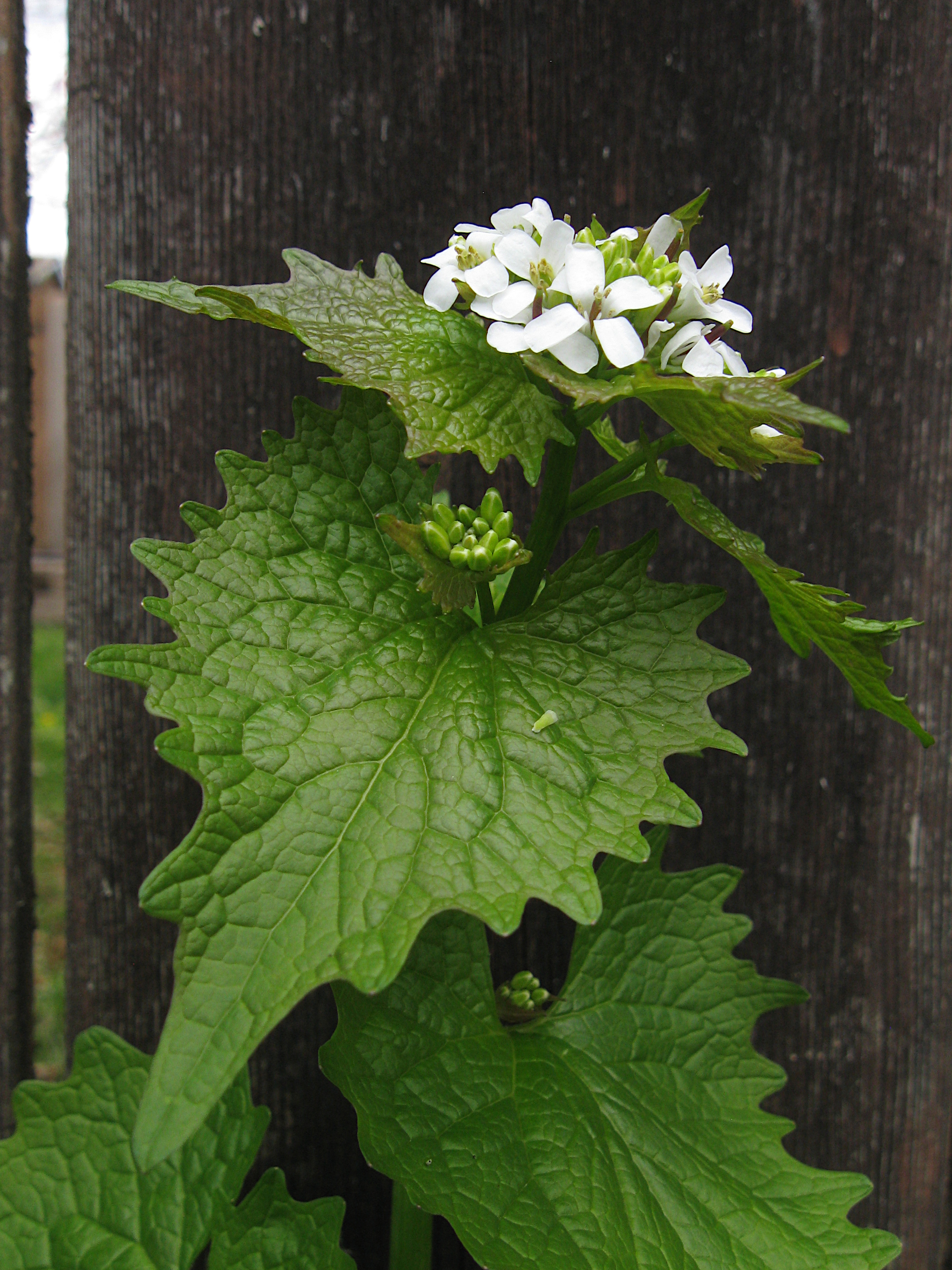
  • Garlic Mustard

    Garlic Musard (Alliaria petiolata) is one of those invasive weeds that make forest-lovers see red, although more recent studies suggest that its ill effects on our woodlands have been exaggerated. It does have two advantages: first, it has pretty white flowers; and second, you can eat it. It came to this country because it was a tasty and nutritious vegetable.

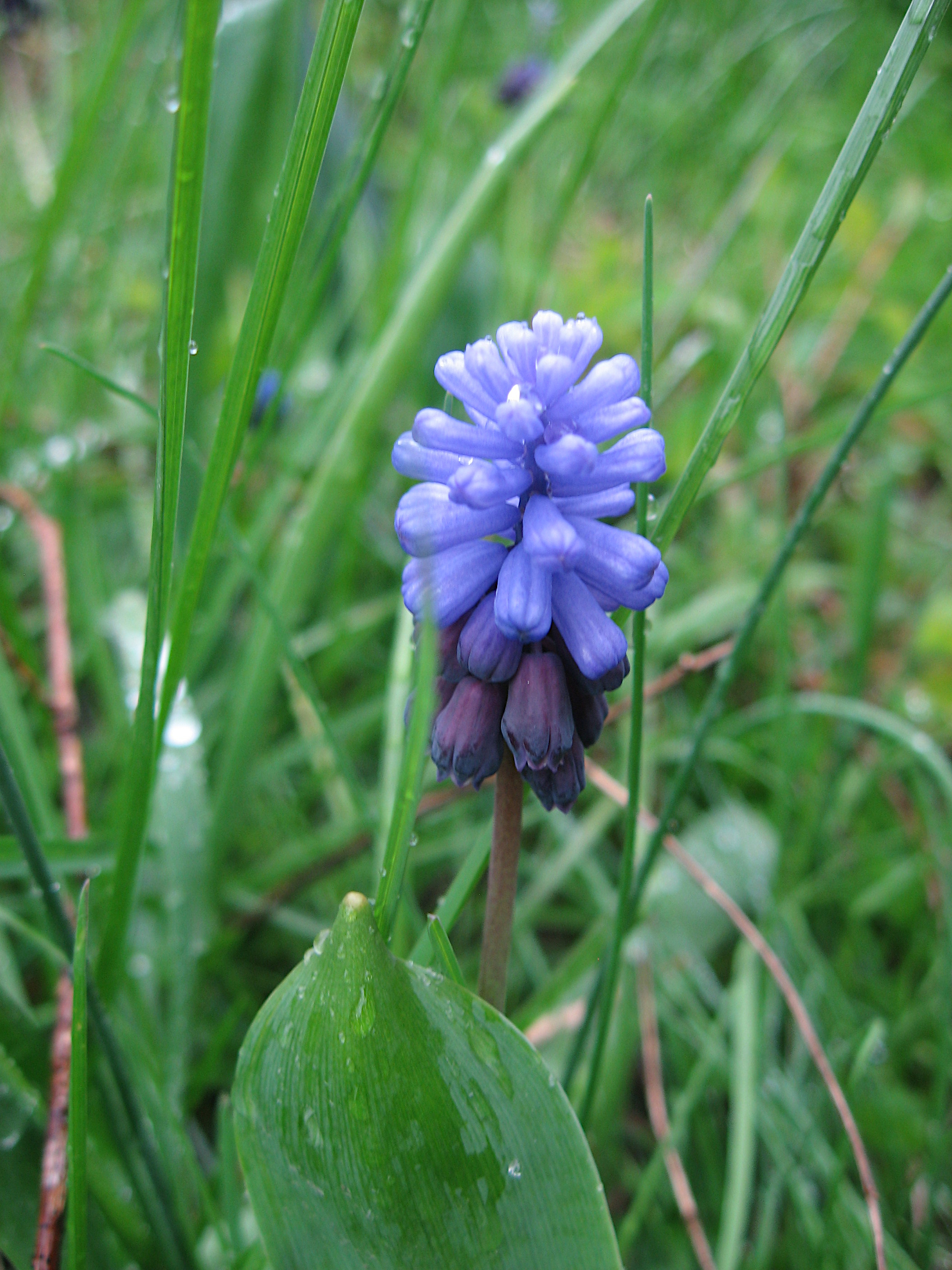
  • Bicolor Grape Hyacinth

    Muscari latifolium is much less often encountered than the common Muscari neglectum. You can recognize latifolium by its broad leaves (thus the name) and the tendency of the flowers to darken as they age, creating an attractive bicolor flower spike.