

Old Pa Pitt believes this is probably a Resinous Polypore (Ischnoderma resinosum), but he is not a mycologist, and welcomes corrections. It was growing at the end of a log in Bird Park, Mount Lebanon.
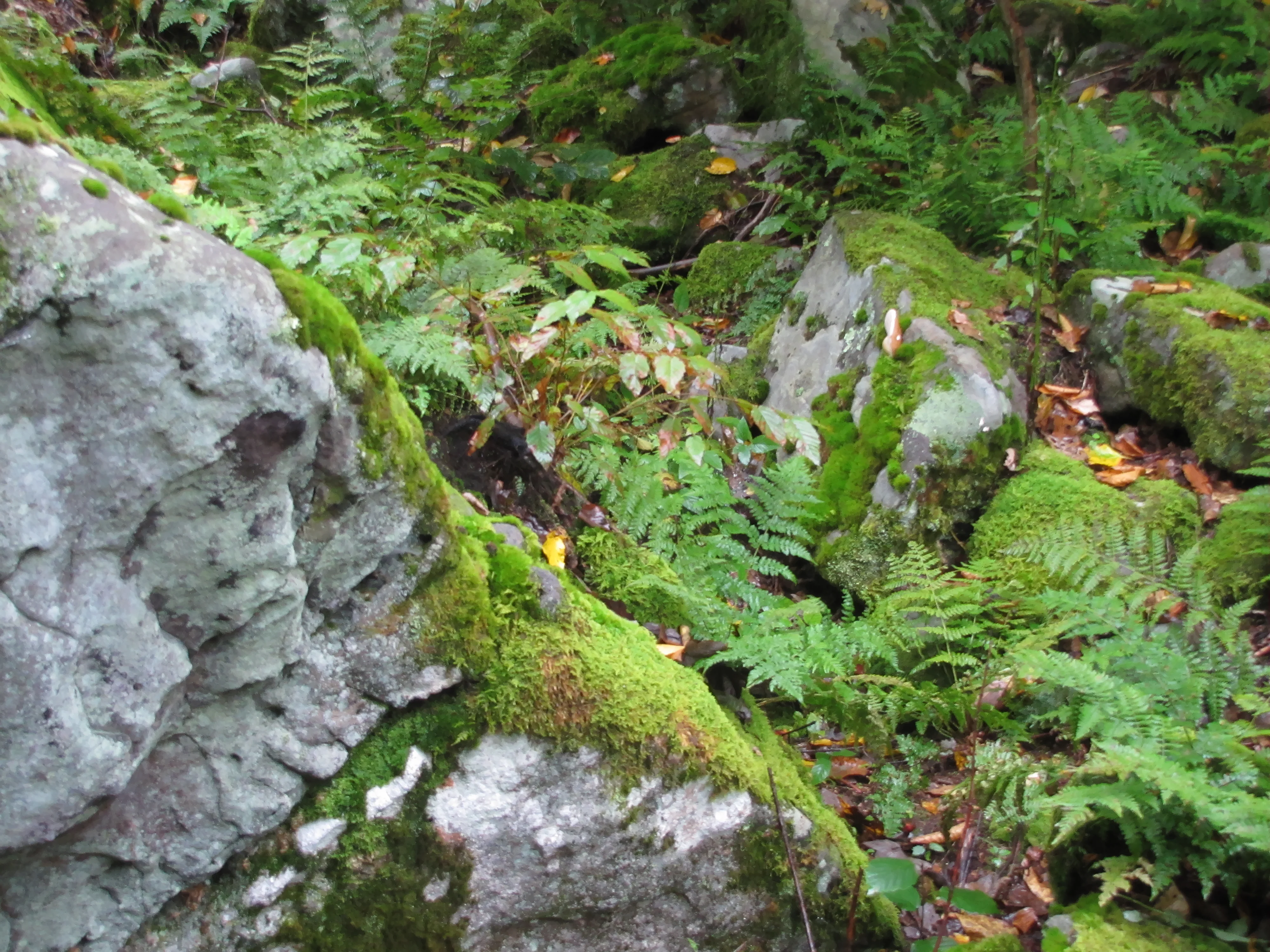
A ferny scene in the near Laurel Highlands.

Sitting on the edge of a Hedge Bindweed (Calystegia sepium) flower blooming on a fence in Chateau. Old Pa Pitt’s best guess is that it is an Eastern Forktail (Ischnura verticalis), but corrections are invited from the entomologically informed. We asked an AI bot, and the bot told us, “That’s probably a damselfly,” so the bot was dismissed with a polite thank-you and no reference letter.

Damp weather has made them pop up everywhere. Father Pitt thinks these are probably False Parasols (Chlorophyllum molybdites), also known as “the Vomiter,” and that latter name should probably be all the advice you need about trying to collect them.


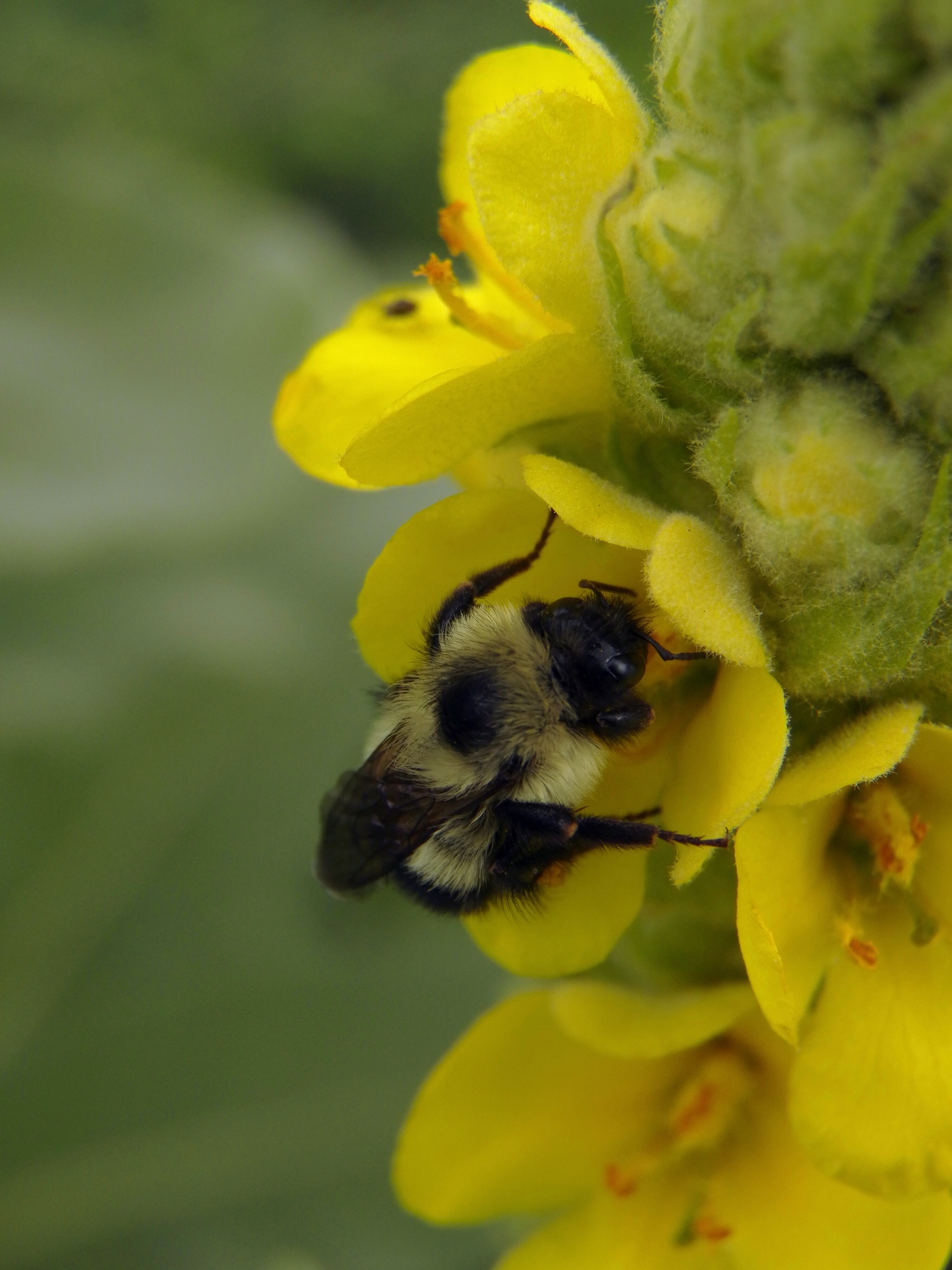
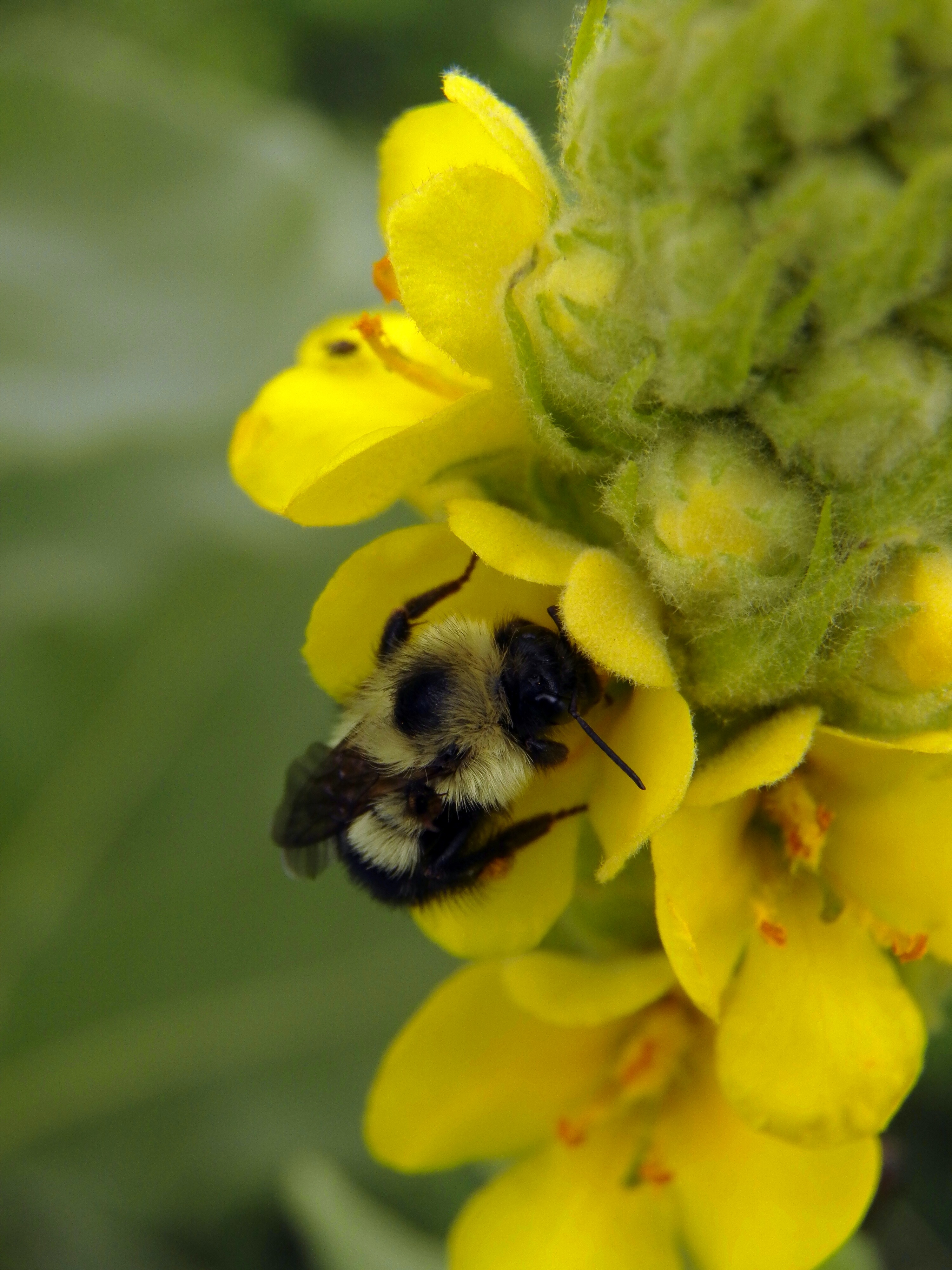
A bumblebee enjoying a Common Mullein (Verbascum thapsis) by a parking lot in Brushton.
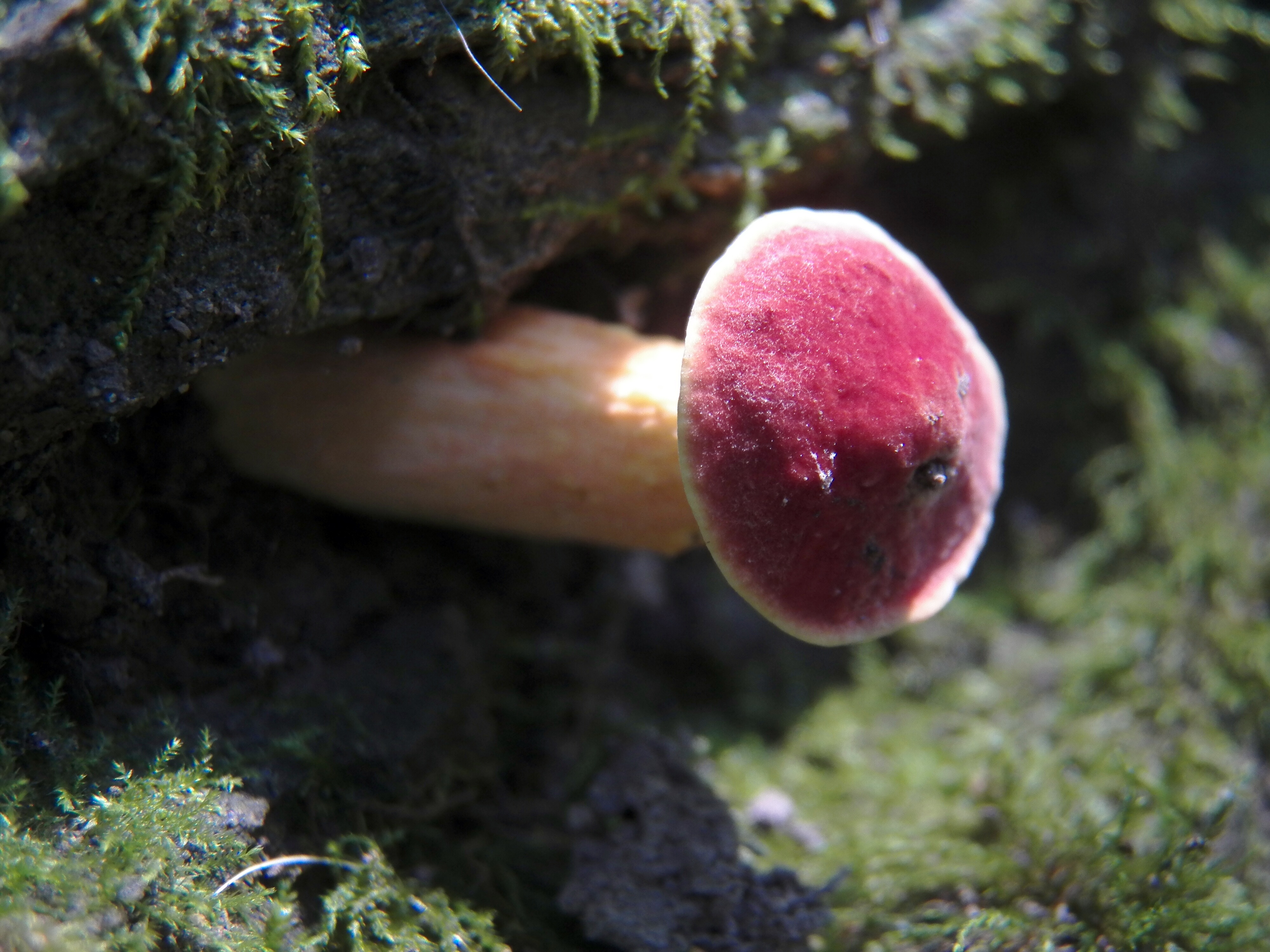
Growing along the Homewood Trail in Frick Park. Father Pitt believes it is a Ruby Bolete (Hotiboletus rubellus), but corrections are always invited.