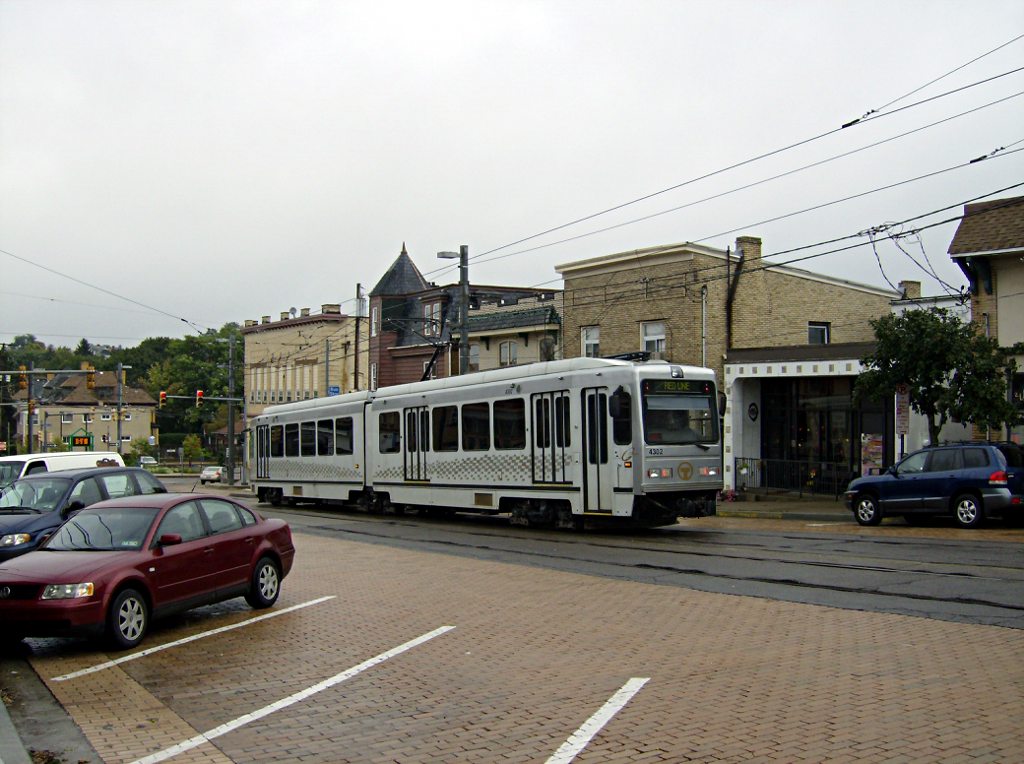
Suburban riders on the Red Line, if they have ever lifted their eyes from their iPhones for a moment, must have noticed the peculiar anomaly of Beechview: a tidy and pleasant residential neighborhood with an almost abandoned business district. A good part of the abandonment was the result of a scandal-ridden failed urban-renewal project, in which the city gave millions to a private developer who vanished with most of the money.
But now the mess is nearly sorted out, and storefronts in Beechview are filling up with interesting and useful businesses.
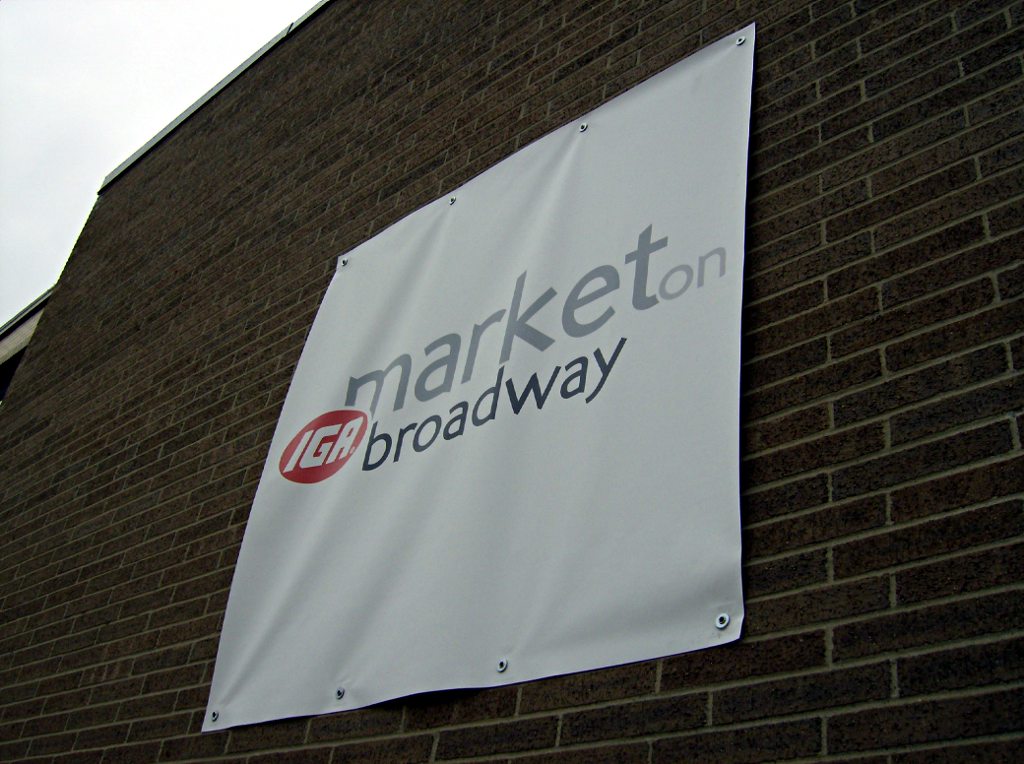
The big accomplishment was finding someone to open a new supermarket, which will anchor the whole business district. The owner of the new Market on Broadway already has some experience operating a successful urban market in Oakland, the Market on Forbes.
—
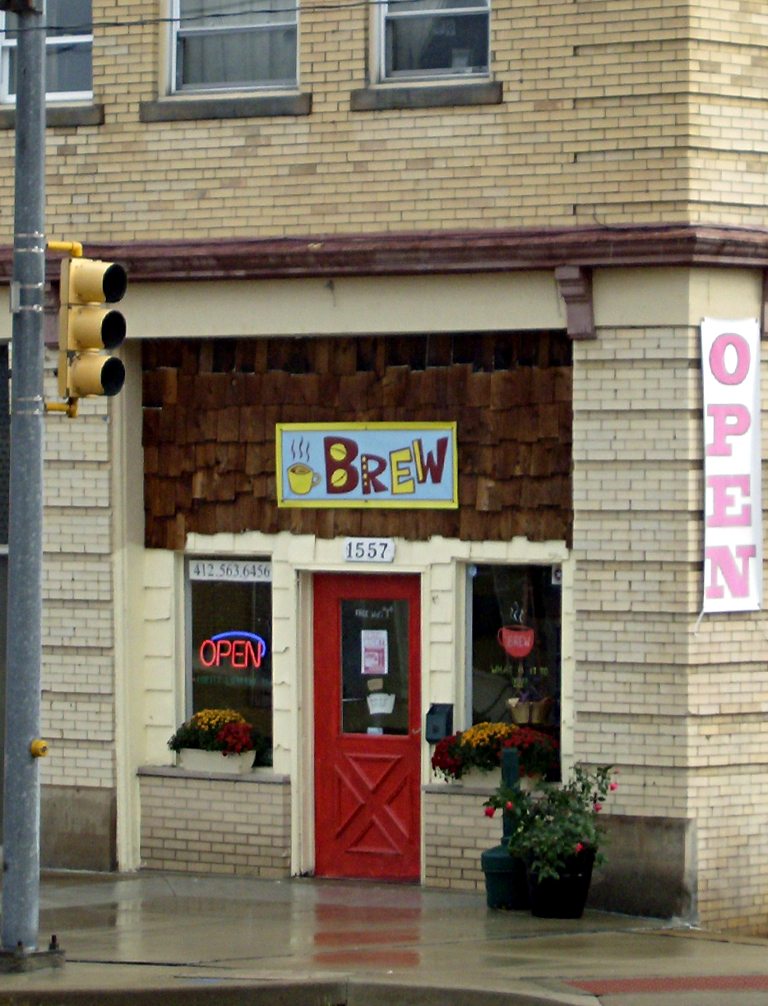
A new neighborhood coffeehouse gives the locals a place to gather and gossip.
—
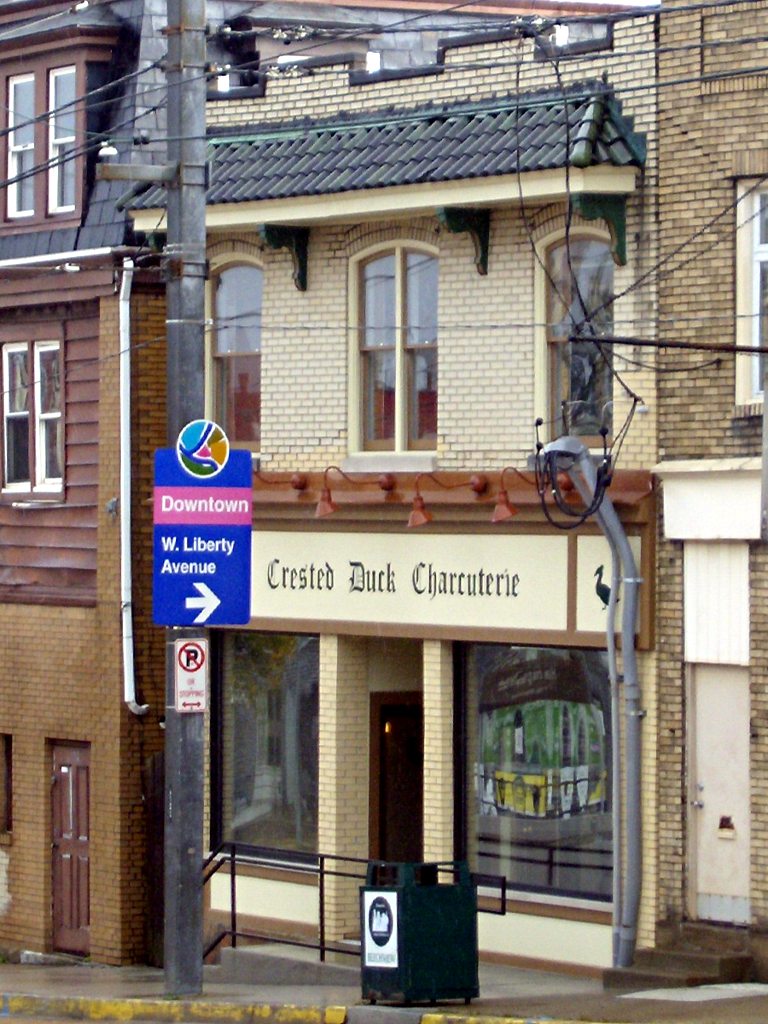
This 1920s-vintage storefront has been beautifully restored for the new Crested Duck Charcuterie, which will be an interesting addition to a neighborhood more accustomed to spaghetti and meatballs in a church basement.
—
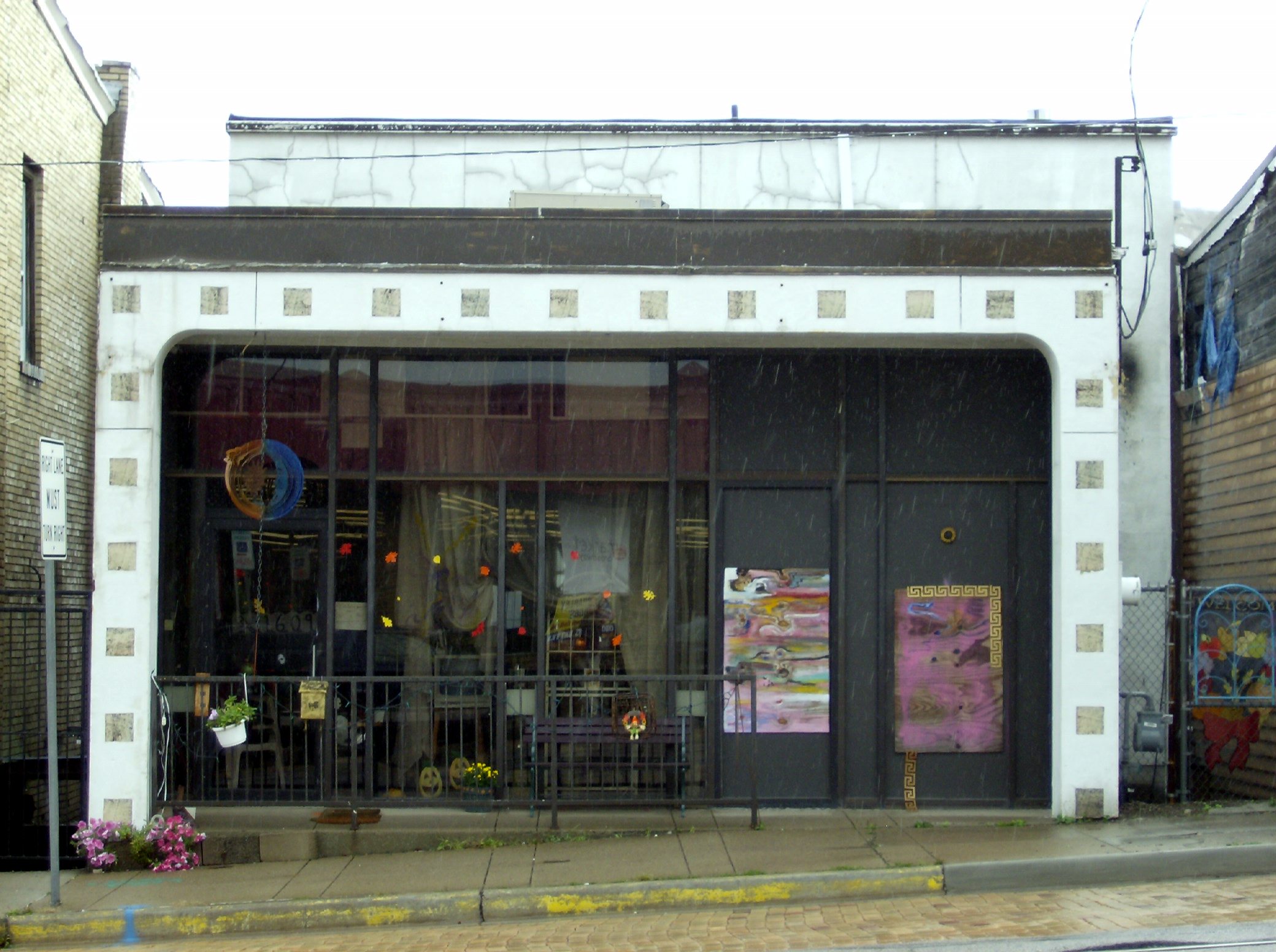
A neighborhood artist has taken over this little building that was abandoned when the ESB Bank moved to larger quarters across the street.
—
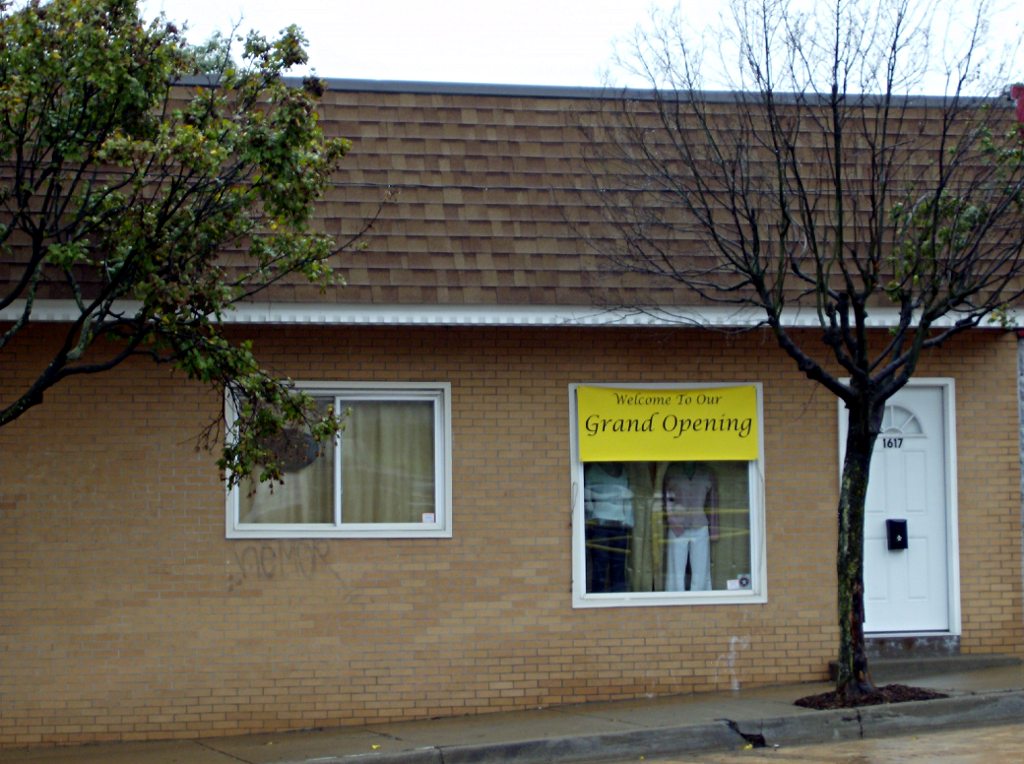
Eventually, this clothing store will have a name other than “Grand Opening.”
—
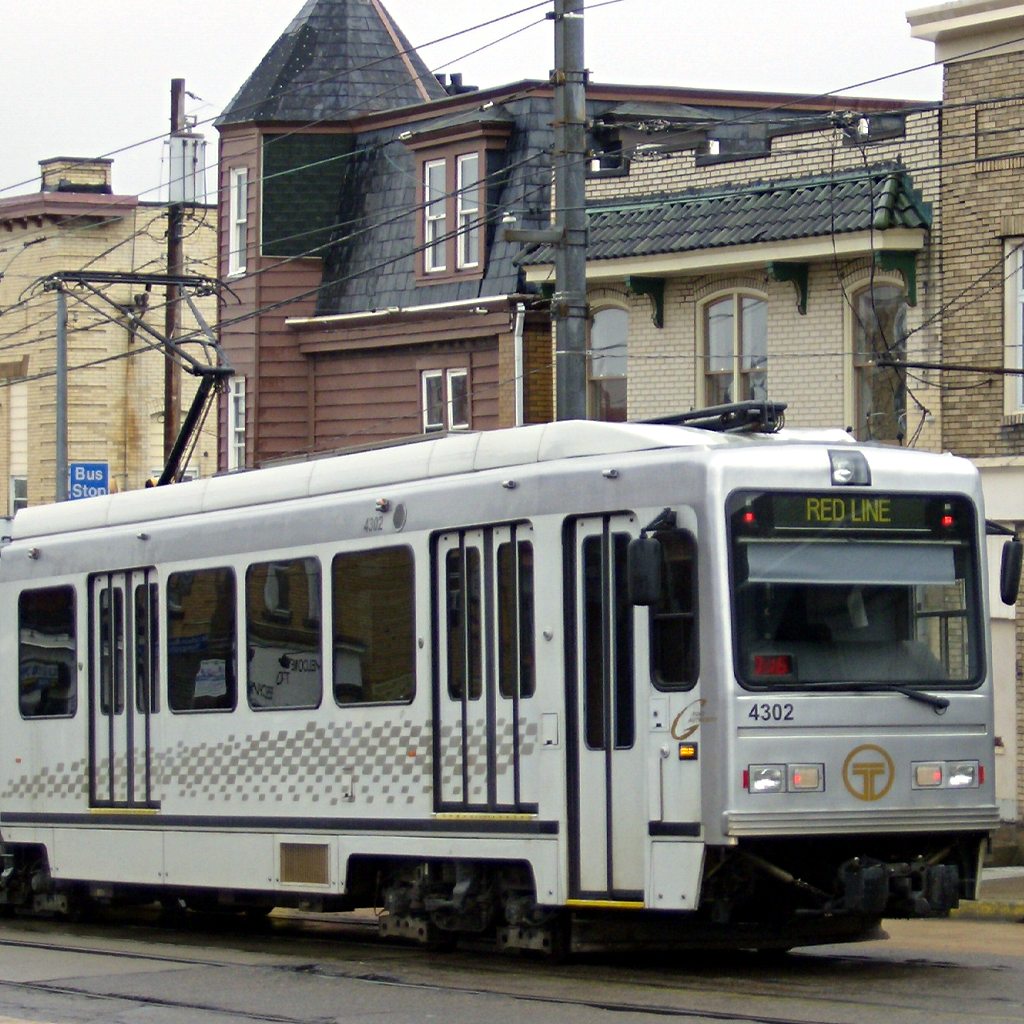
All these new businesses face an uphill struggle; most new businesses fail, and Beechview residents themselves, who learned to go elsewhere for shopping, will have to be lured back to their own business district. But Beechview, aside from a strong sense of community, has one great strength most other neighborhoods lack: the Red Line, which brings rail transit right to the center of the business district. Perhaps some of those suburban riders will glance up from their iPhones, see the new Beechview, and start to think of it as a place for dining and shopping.We’ll see.