Tag: Terra Cotta

  • Maul Building, South Side

    Maul Building

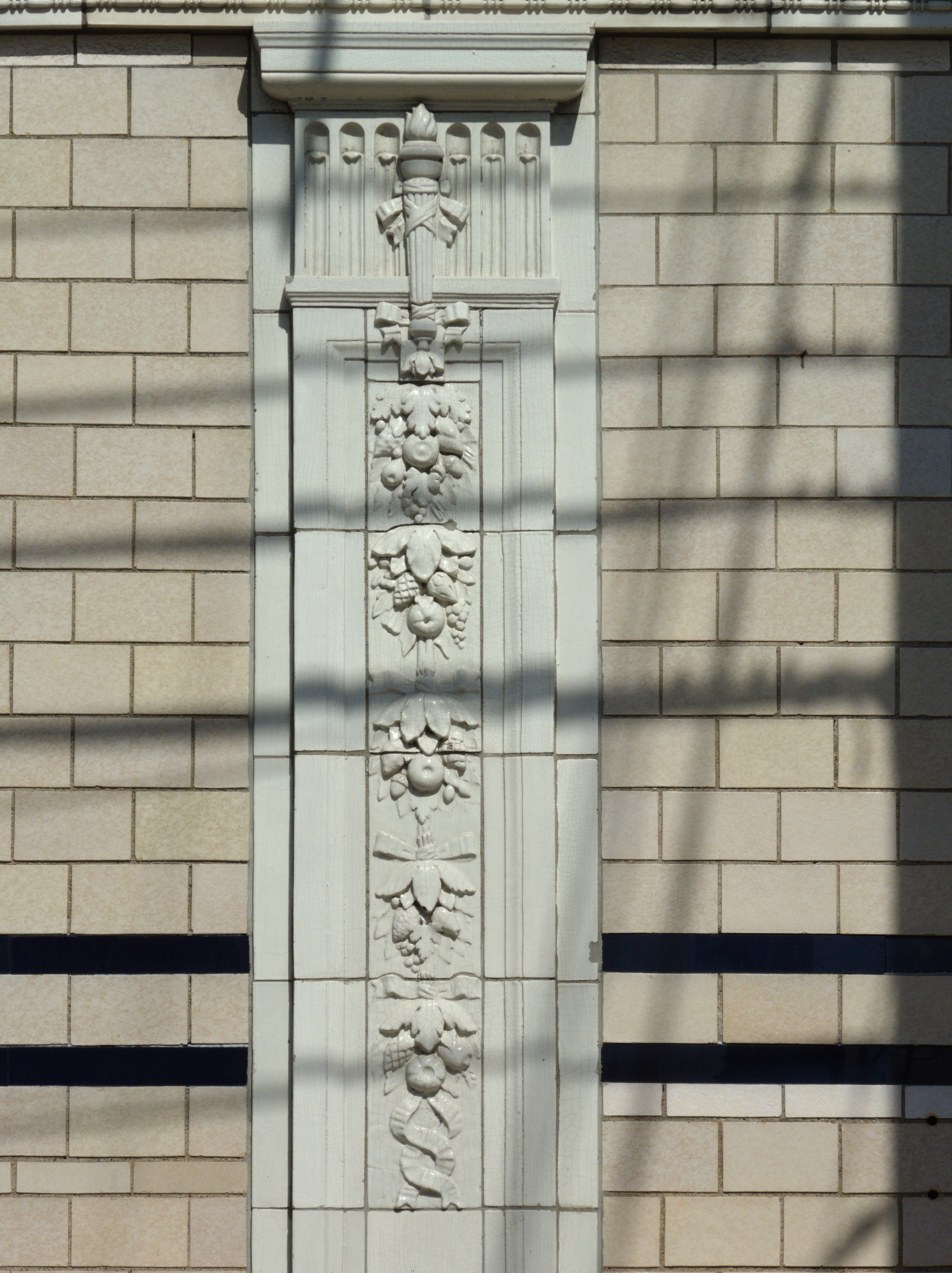
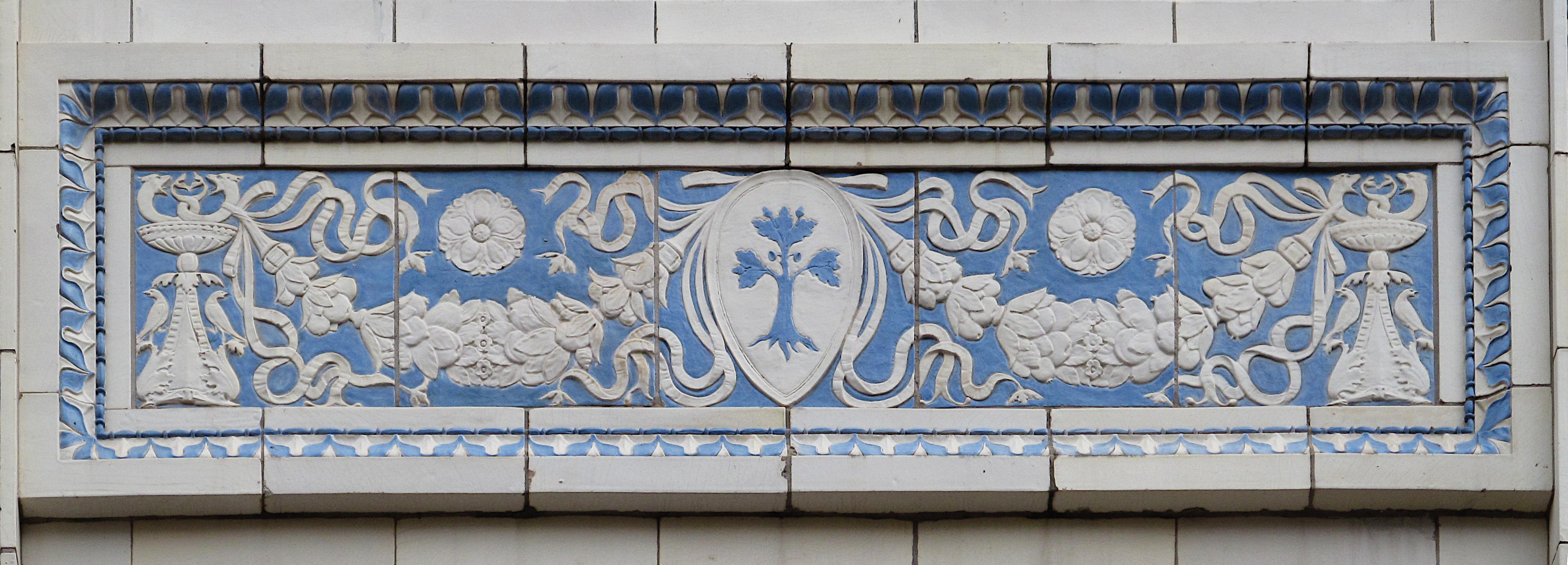
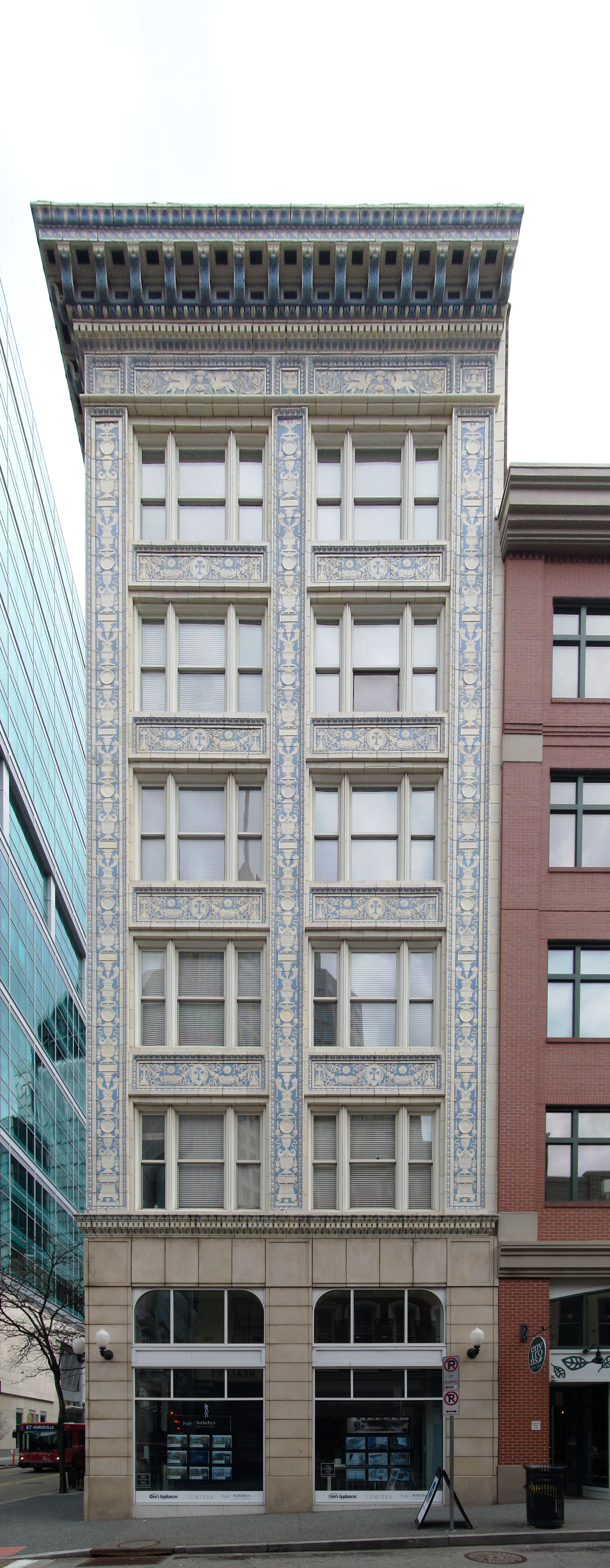
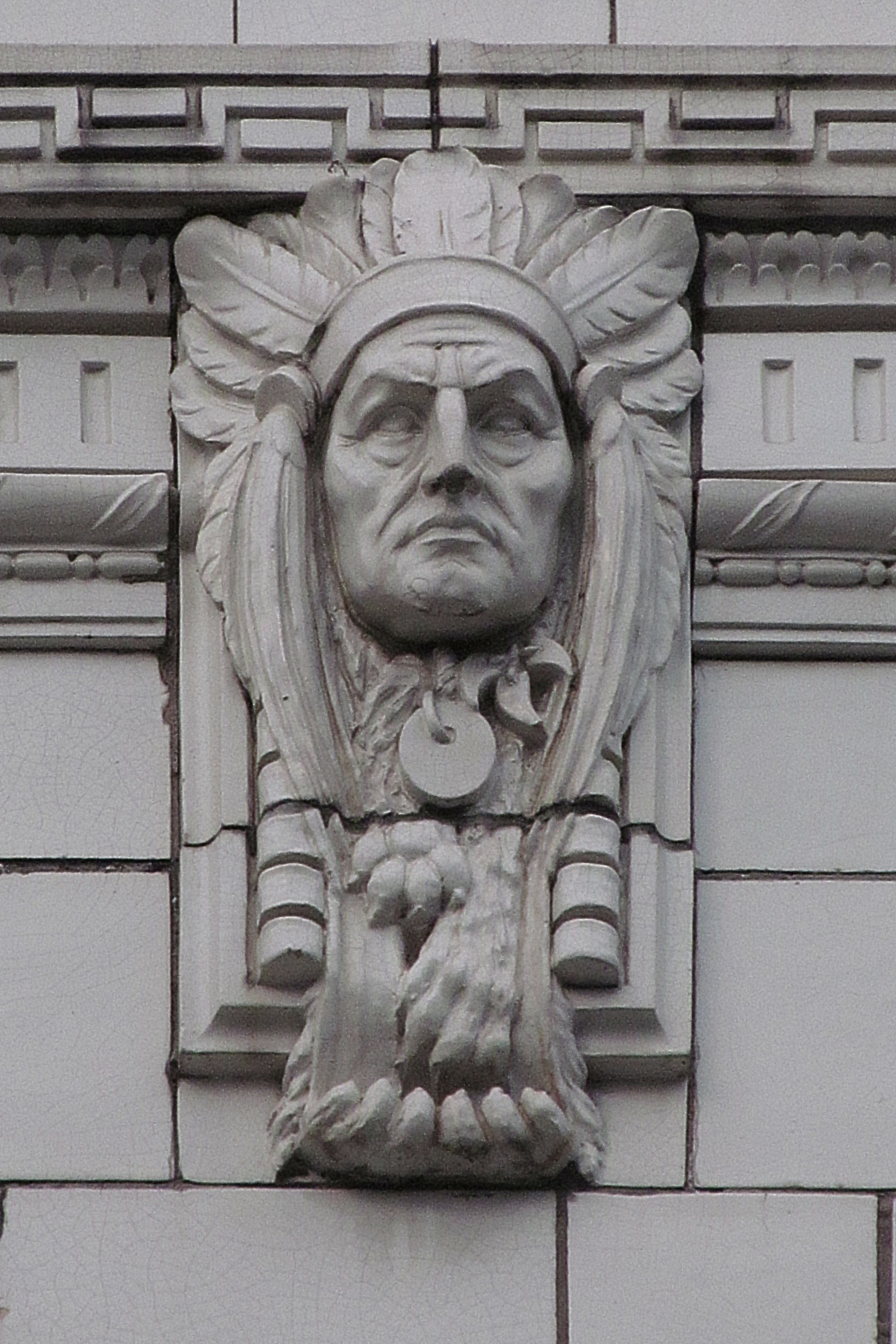
    The Maul Building, built in 1910, was designed by the William G. Wilkins Company, the same architects who did the Frick & Lindsay building (now the Andy Warhol Museum). Both buildings are faced with terra cotta, and both lost their cornices—the one on the Andy Warhol Museum has been carefully reconstructed from pictures, but the one here is just missing. The rest of the decorations, though, are still splendid.

    Indian head
    Swag
    Torch
    Pilaster
  • Terra-Cotta Decorations on the Buhl Building

    Terra cotta

    The Buhl Building, an earlier work of Benno Janssen, is covered with Wedgwood-style terra-cotta decorations. Below, the Market Street end of the building.

    Buhl Building
    Terra cotta
  • Mayor Guthrie

    Relief of Mayor Guthrie

    George W. Guthrie was mayor of Pittsburgh when the Keenan Building was put up in 1907, and here is his face among the terra-cotta decorations on the building, where he keeps company with other prominent men of Pittsburgh. Pittsburghers remember Guthrie as the mayor who finally engineered the successful conquest of Allegheny, so North Siders sometimes think of him the way Ukrainians think of Vladimir Putin. Perhaps his most important accomplishment, though, was clean city water that, for the first time, brought typhoid under control in Pittsburgh, where it had been a scourge for the first century and a half of the city’s existence.

  • King Edward Apartments, Oakland

    King Edward Apartments

    This is a huge composite picture, so don’t click on it unless you have the megabytes to spare. This elegant apartment building on Craig Street had a typically Pittsburgh problem to solve. The lot is irregularly shaped and (of course) not level. The architect’s answer was a façade that is varied enough to mask the fact that it does not quite line up with the street. At first glance, the front seems symmetrical; the second and third glances will reveal the curious staggering of the wall.

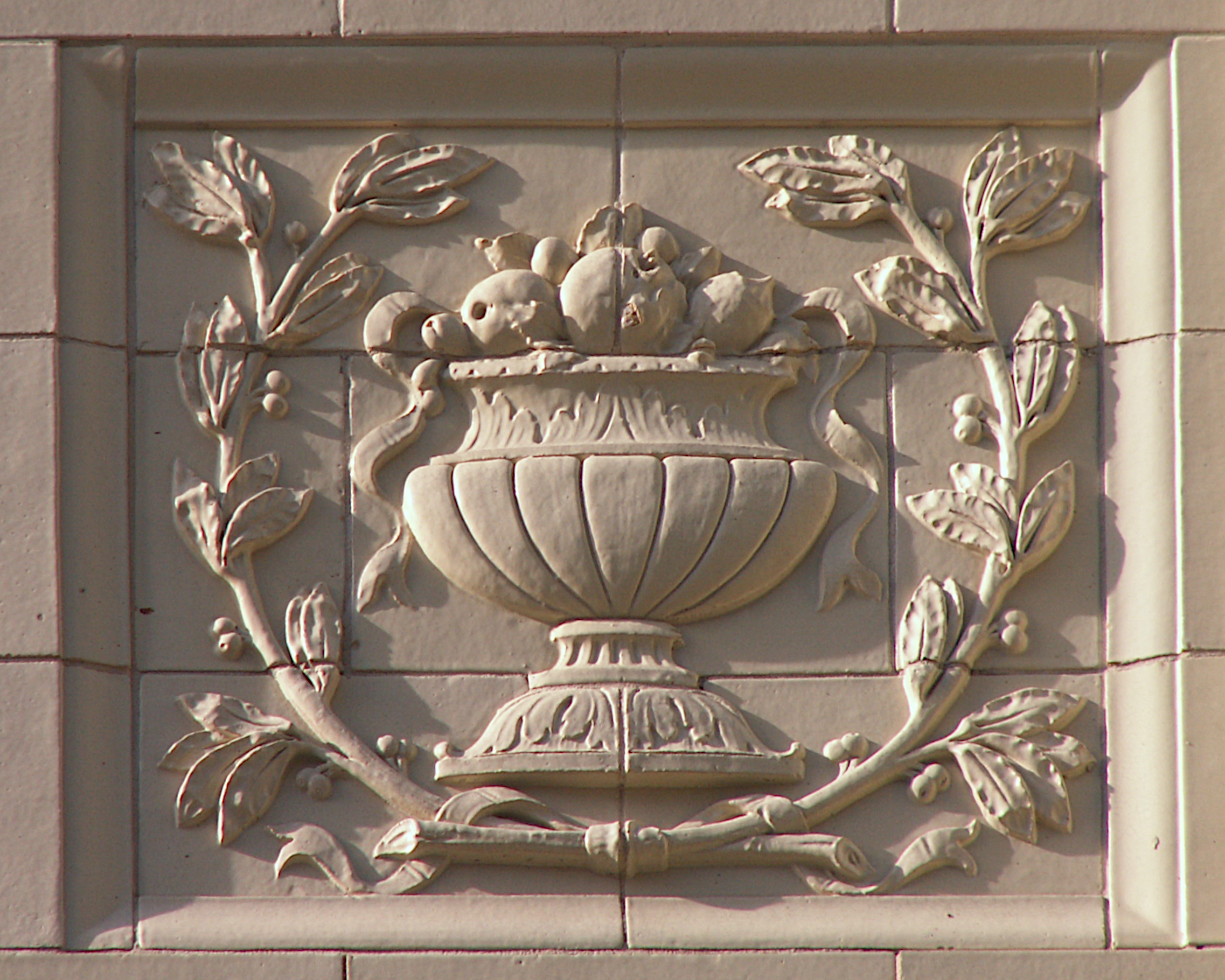
  • Terra-Cotta Ornaments on the Maul Building

    Terra-cotta ornament, Maul Building

    The splendid terra-cotta facing of the Maul Building is covered with ornaments that may have been standard catalogue items, but nevertheless show considerable artistic talent.

  • Rodef Shalom Temple

    Rodef Shalom Temple

    One of Henry Hornbostel’s most impressive works, Rodef Shalom, built in 1906, is notable for its colored terra-cotta decorations, which—according to the interpretive sign on the temple grounds—were among the earliest uses of polychrome terra cotta in the United States.

    Find it on the map

  • Terra Cotta on the Thompson’s Building

    Two ornaments from the terra-cotta façade of the old Thompson’s Restaurant building on Market Street just off the Diamond.

  • More Art Deco in Mount Lebanon

    Though it currently houses a real-estate agency, the terra-cotta reliefs tell us that this was built as a medical office. The splendid Art Deco eagle made it a very patriotic medical office.

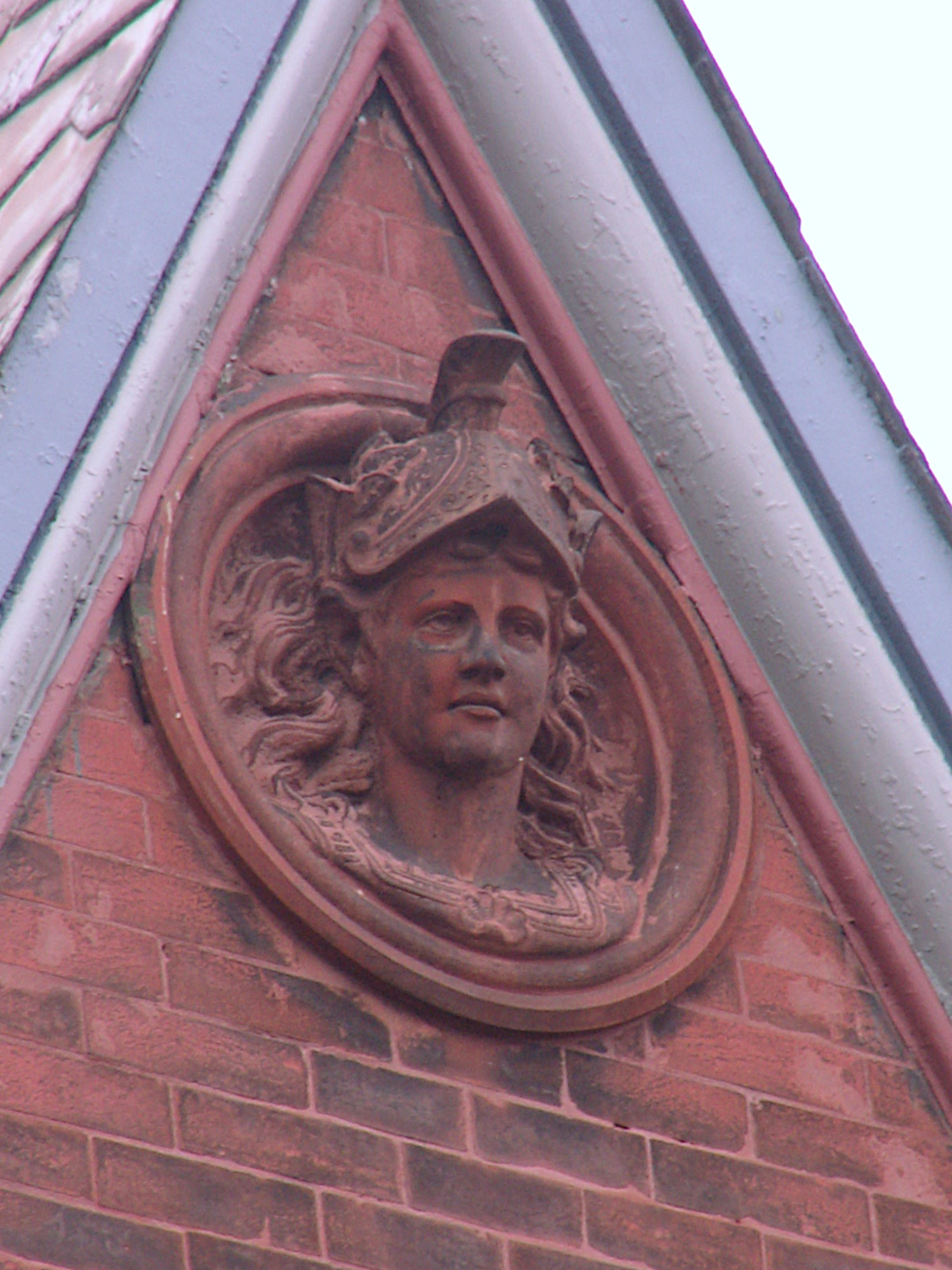
  • Terra-Cotta Head

    This terra-cotta head of a helmeted allegorical figure (the flowing hair suggests femininity, but the armor suggests “don’t mess with me”) is really a first-rate piece of work, which makes it all the more surprising to find it built into the gable of a rowhouse on the South Side. It is the sort of ornament you add to tell your neighbors, “I am slightly more prosperous than you, because I can afford to have this built into my gable.”

    —Old Pa Pitt suspects that this is meant to be a head of Minerva, a Roman goddess you don’t mess with.

    The other decorative details on this house are also fine, though more in a vernacular Victorian Romanesque style. This ornament is in the arch above the middle second-floor window.

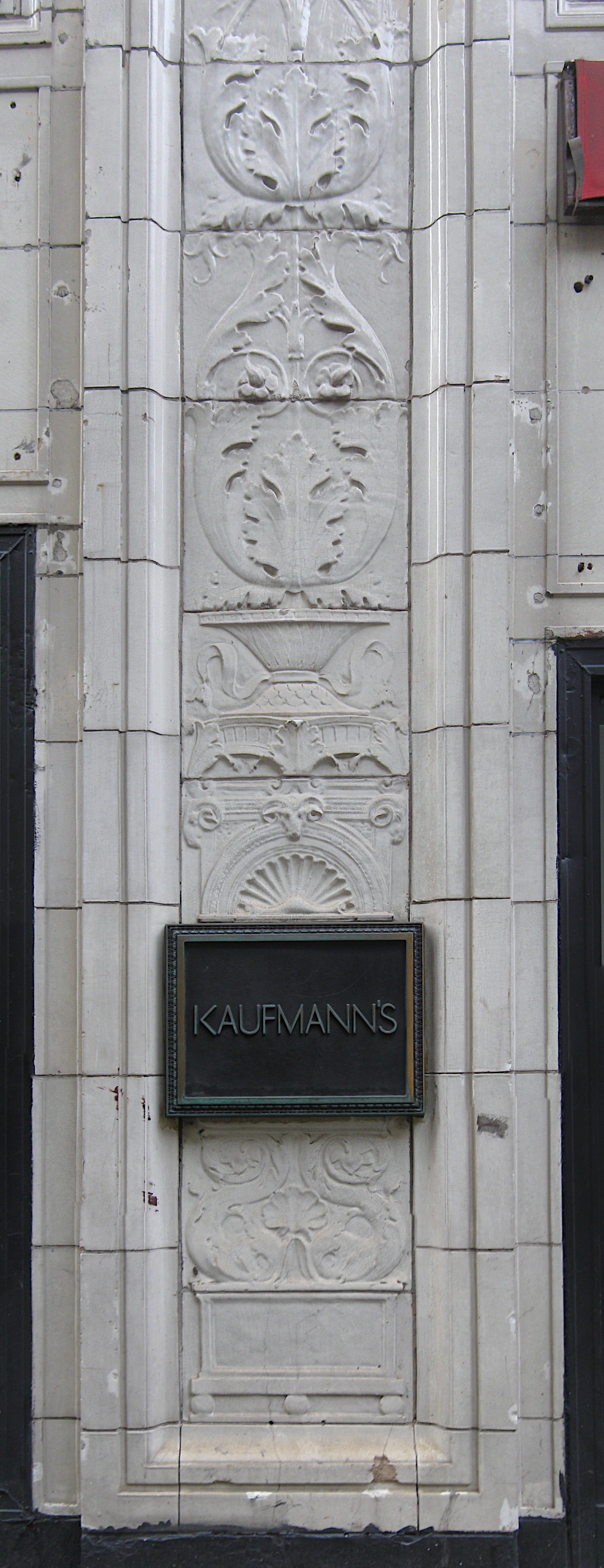
  • Terra Cotta on the Kaufmann’s Building

    The Kaufmann’s building at Fifth and Smithfield was designed by Benno Janssen, who gave it a facing of ornate terra-cotta tiles. Compare these decorations to the similar ones on Janssen’s earlier Buhl Building farther down Fifth Avenue.