Comments
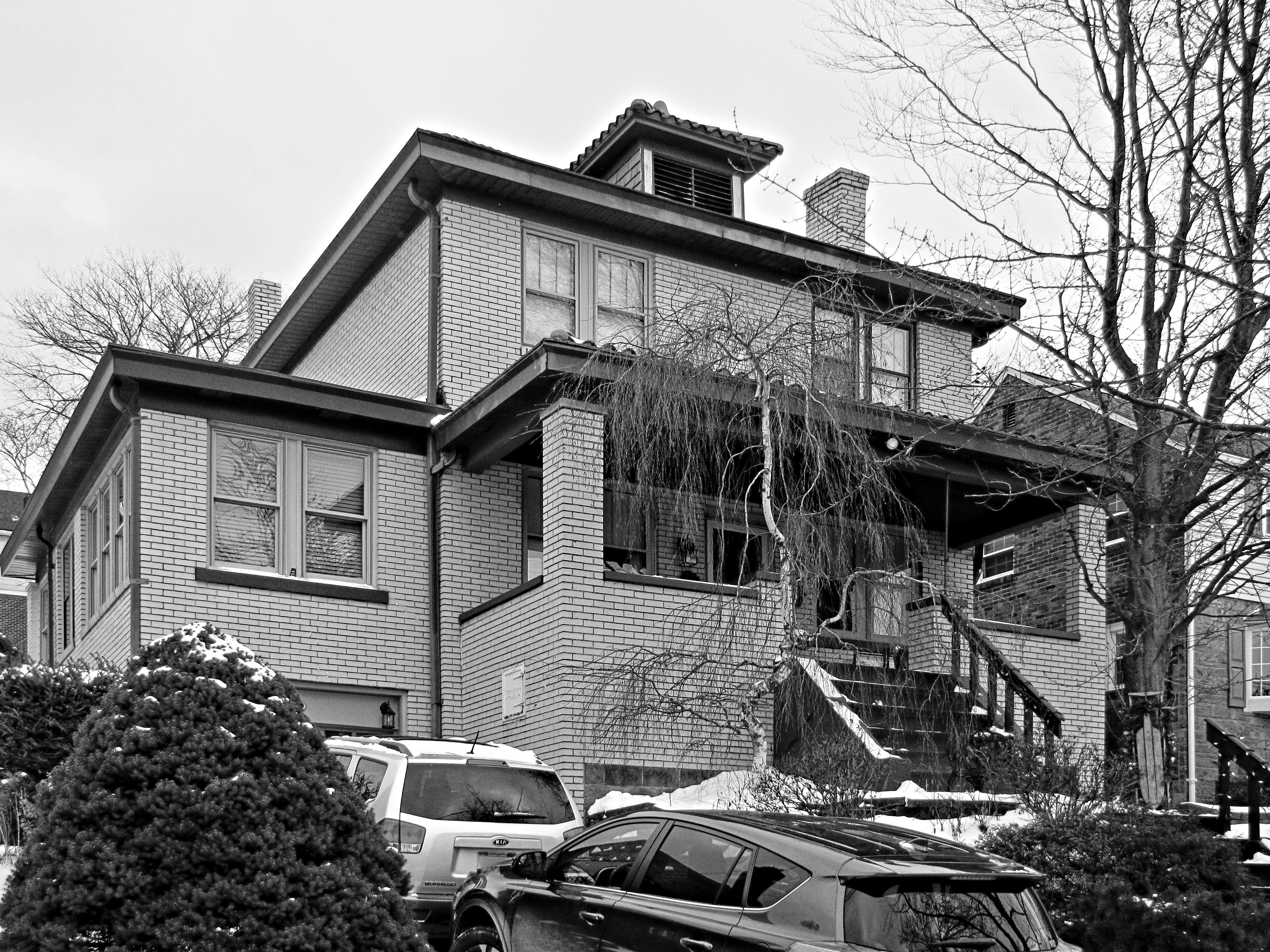
Sunset Hills is a middle-class plan, compared to the upper-crustier Mission Hills or Beverly Heights, but many of its more modest homes were designed by well-known architects, and they form a museum of middle-class styles of the 1920s and 1930s. Here are just a few houses across from Pine Cone Park, a little triangular parklet at the irregular intersection of Parkside Avenue and Sunset Drive.
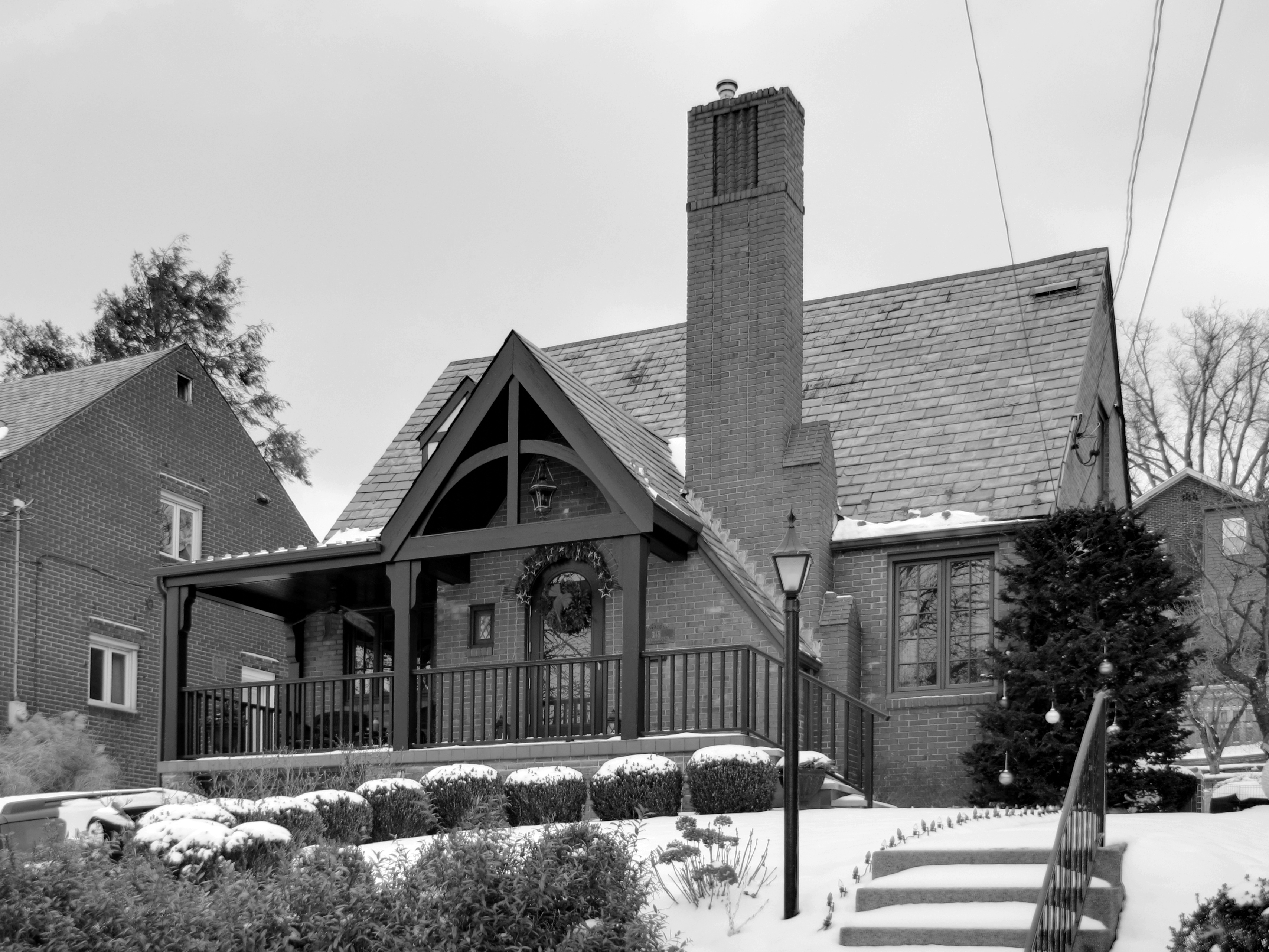

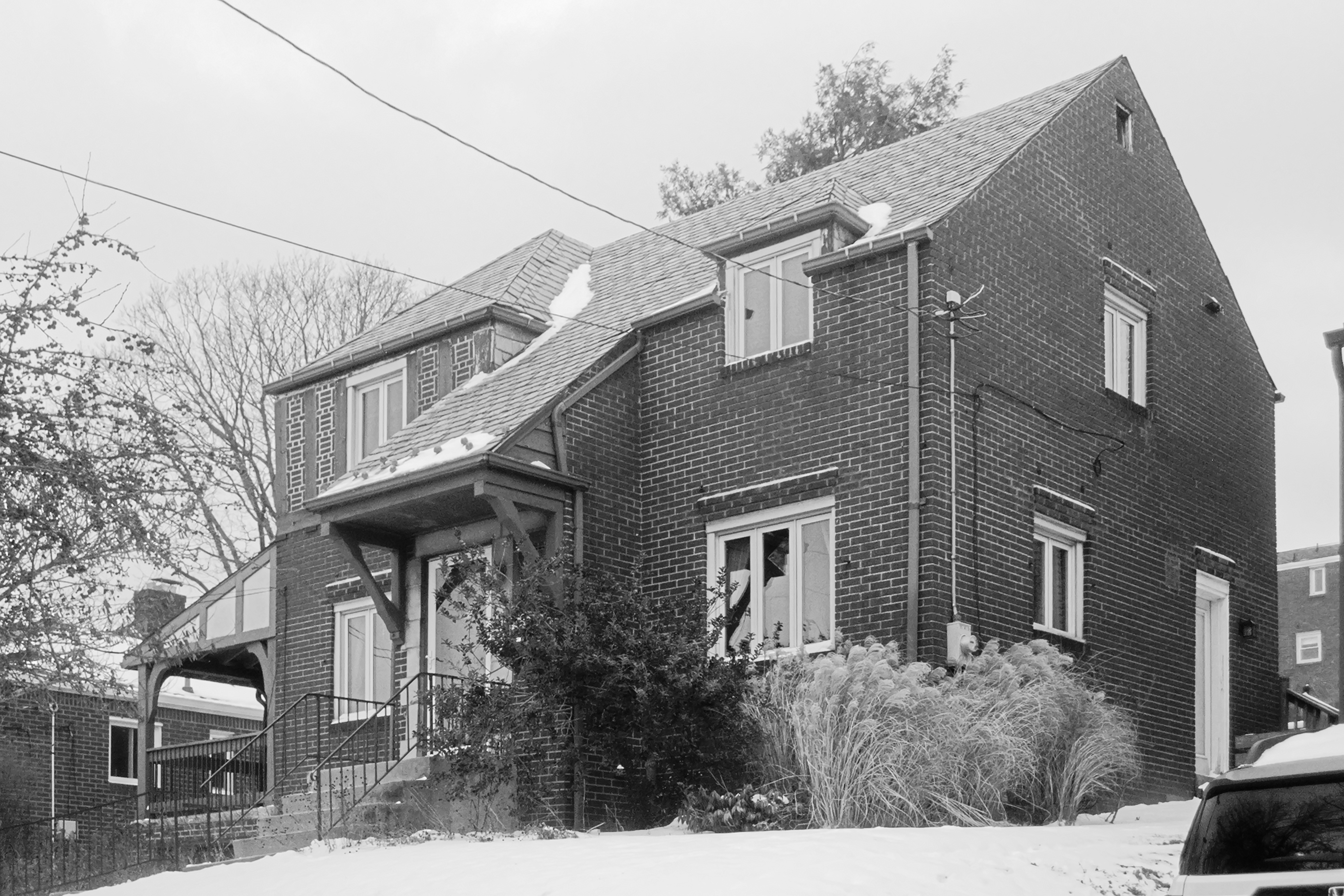


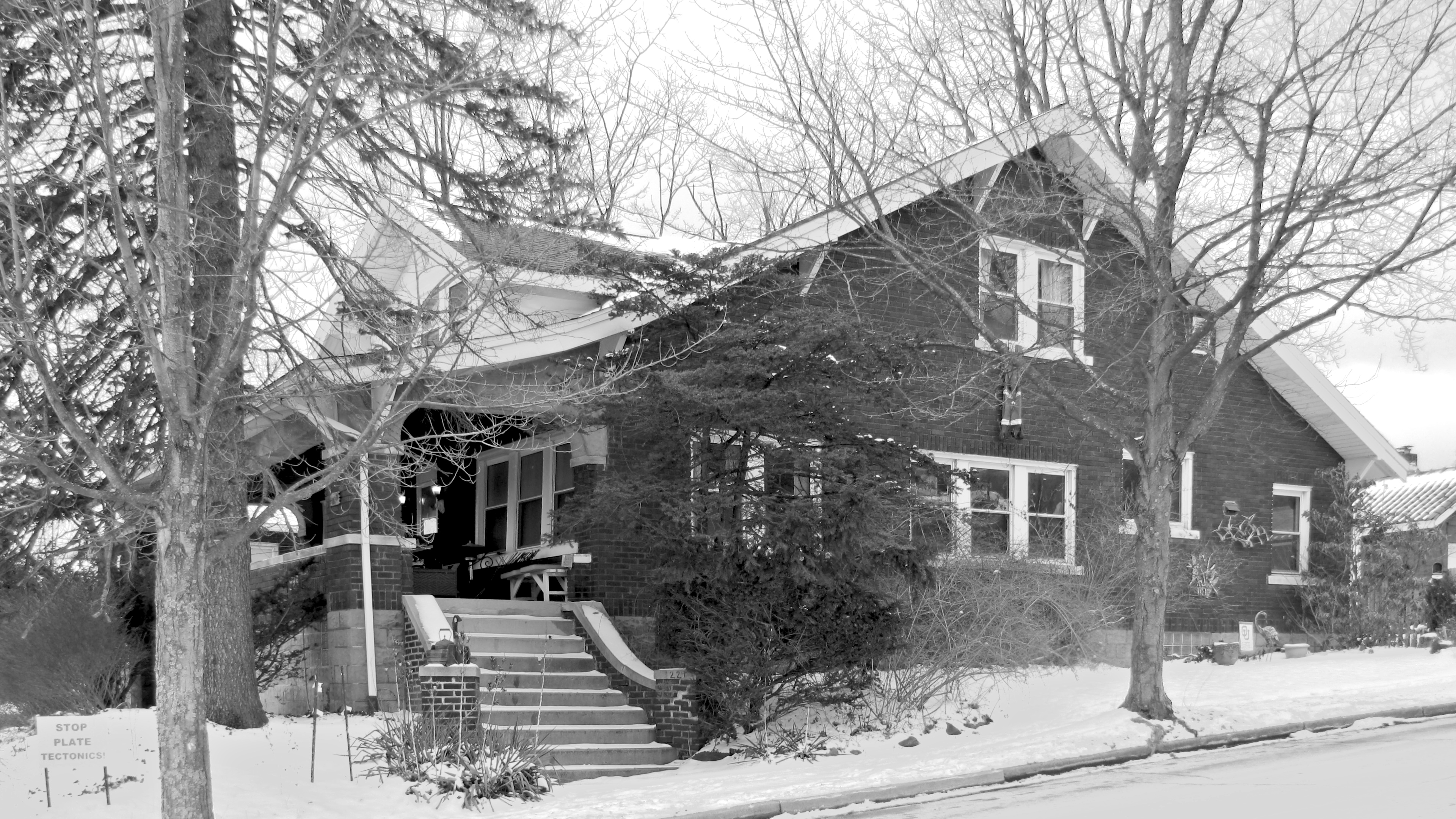


From the intersection of Fifth Avenue and Sixth Avenue (and try to explain that to an out-of-towner).

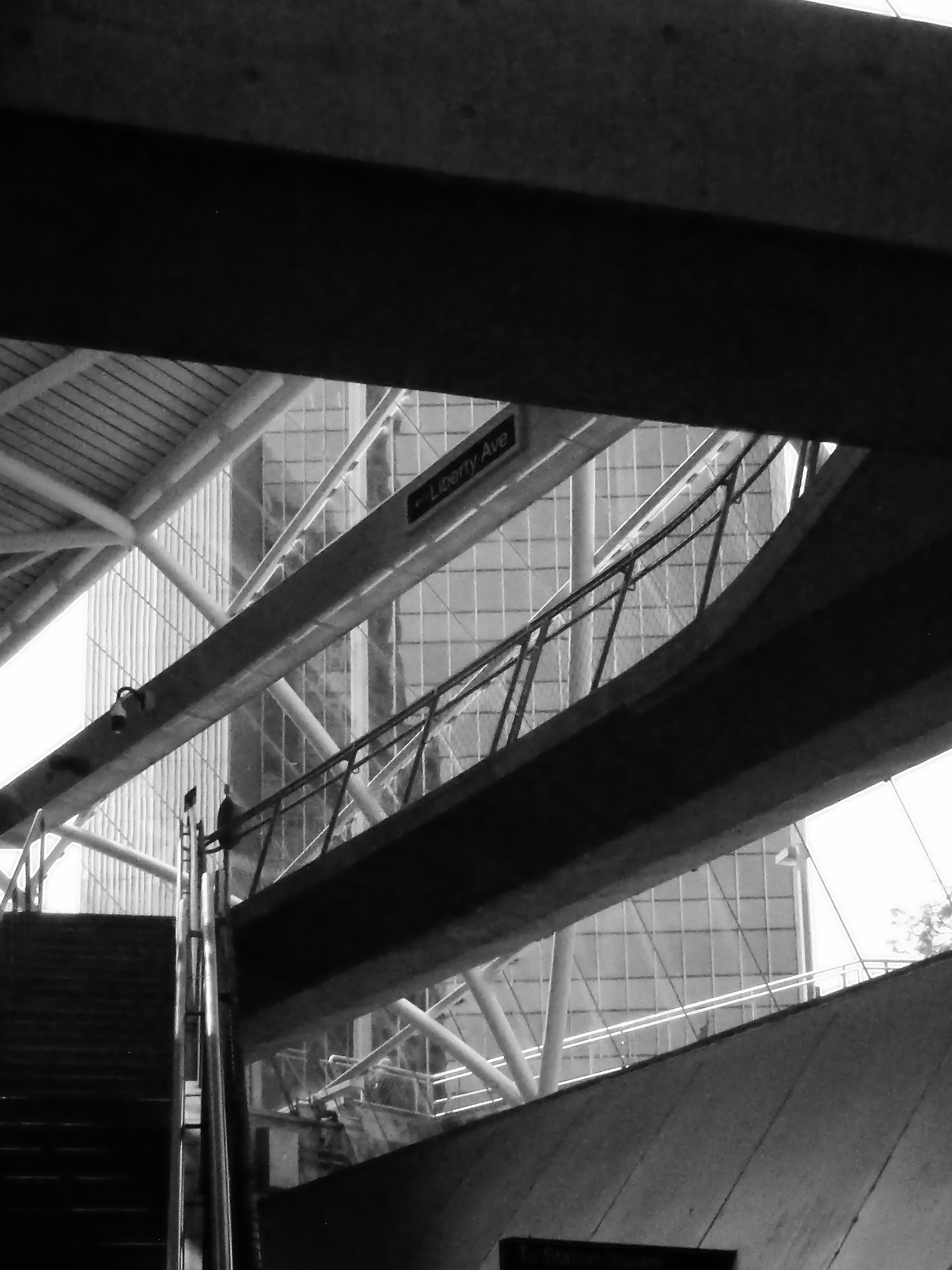
The Grant Street entrance to Steel Plaza station: a study in angles.

This impressive portal, wide enough to drive a large delivery wagon through, leads to the central courtyard.

Wilkinsburg’s own Milligan & Miller designed this rambling Gothic church, which is still in use by its original congregation, now South Avenue United Methodist. “One of the most important additions to the structural beauty of the place,” said a 1907 Pittsburg Press feature on Wilkinsburg,1 “will be the new South Avenue Methodist Episcopal Church, which is to replace the old burned down last February. It is to cost $125,000 and will be one of the finest church buildings in the community. The construction is under the charge of Architects Milligan & Miller, who designed the plans.”


Impressive stone lanterns flank the front steps.

An arcaded porch after the manner of a medieval cloister runs along the side.

This quiet enclave of small apartment buildings is part of the same “city set on a hill” development as the Morrowfield, and the buildings were probably also designed by J. E. Dwyer. They’re fairly ordinary Pittsburgh buildings of the early 1920s, Mission style with a bit of Romanesque thrown in. They look their best in black and white.


MacClure & Spahr designed the headquarters for Jones & Laughlin, which is now the John P. Robin Civic Building. The entrance is lavishly decorated. The angle below shows off two of the most impressive lanterns in the city.

More pictures of the Jones & Laughlin Headquarters Building: front of the building, from the southeast, and the construction of the second stage of the building.