Sitting on the edge of a Hedge Bindweed (Calystegia sepium) flower blooming on a fence in Chateau. Old Pa Pitt’s best guess is that it is an Eastern Forktail (Ischnura verticalis), but corrections are invited from the entomologically informed. We asked an AI bot, and the bot told us, “That’s probably a damselfly,” so the bot was dismissed with a polite thank-you and no reference letter.
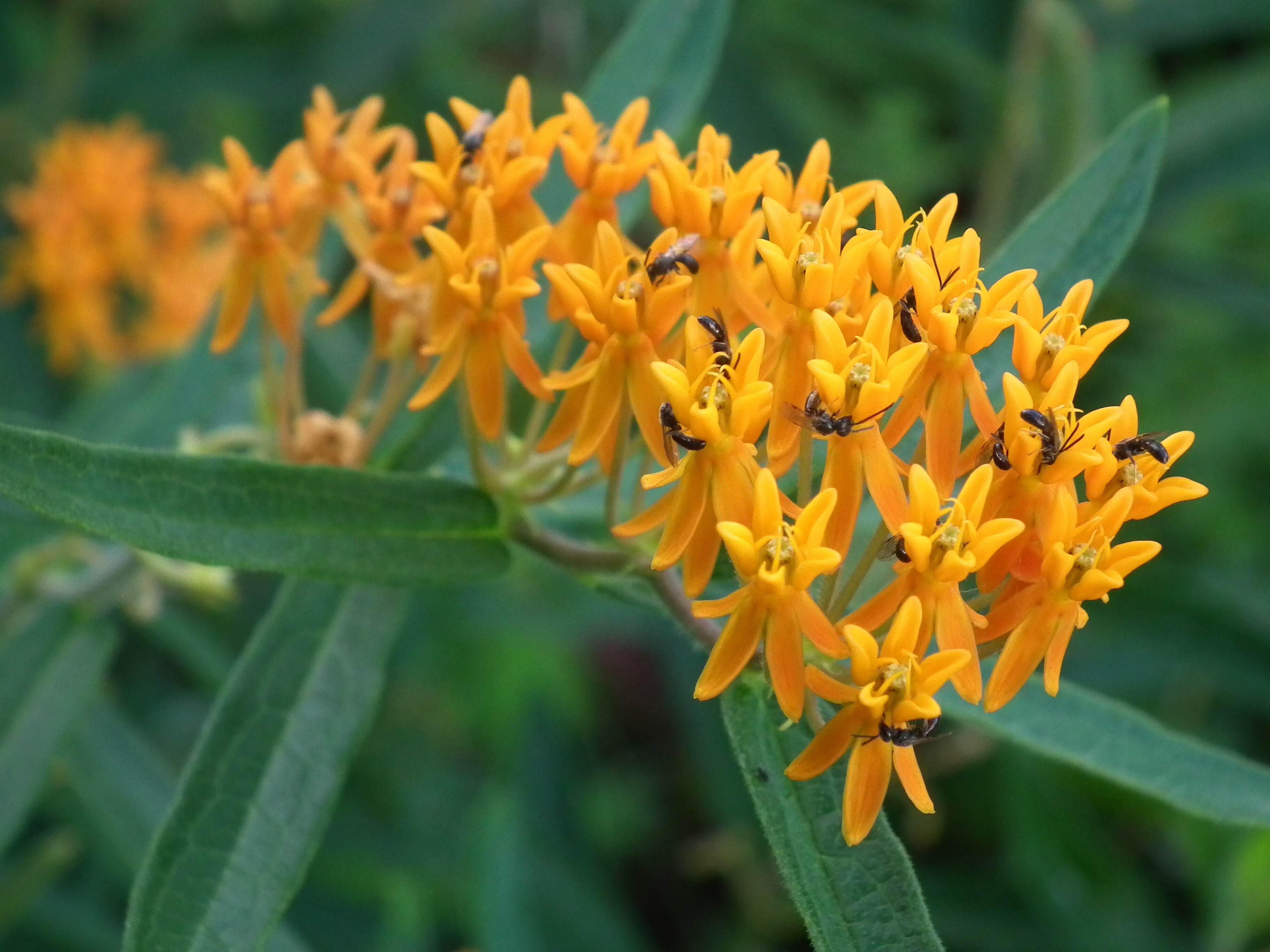
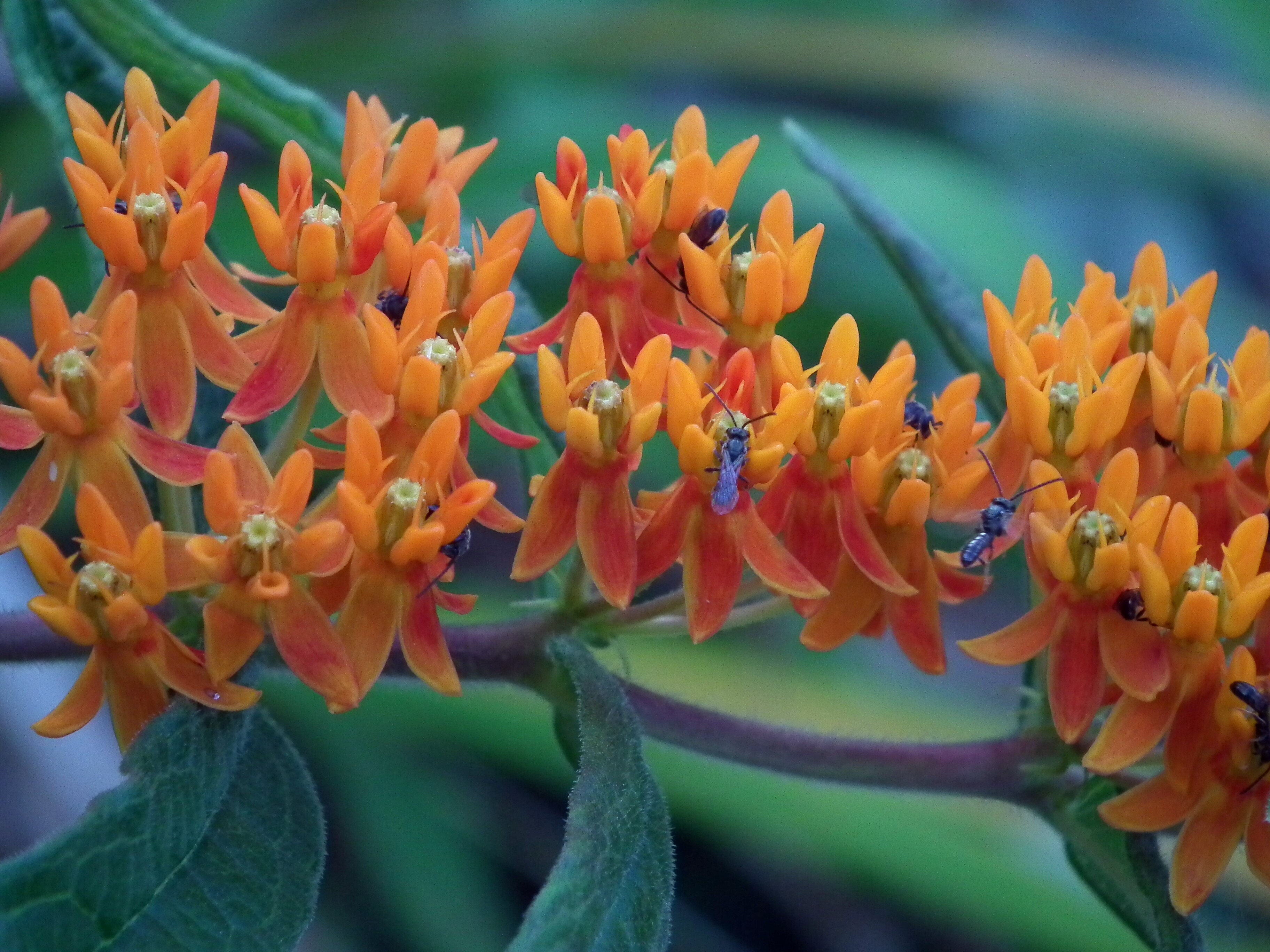
Tiny black bees (probably some species of Chelostoma, but the entomologically inclined are earnestly invited to correct us) enjoying flowers on two slightly different shades of Butterfly Weed (Asclepias tuberosa).
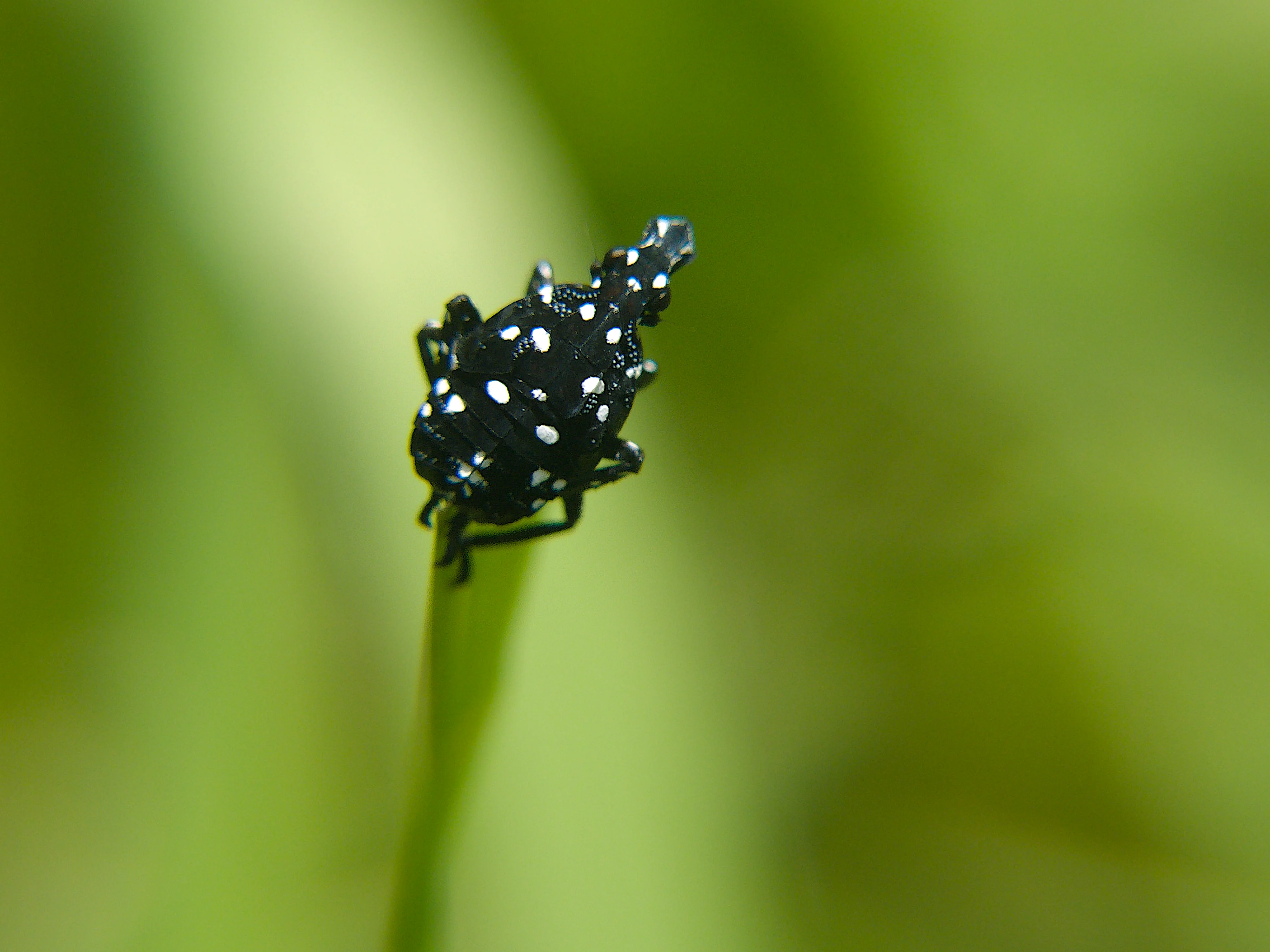
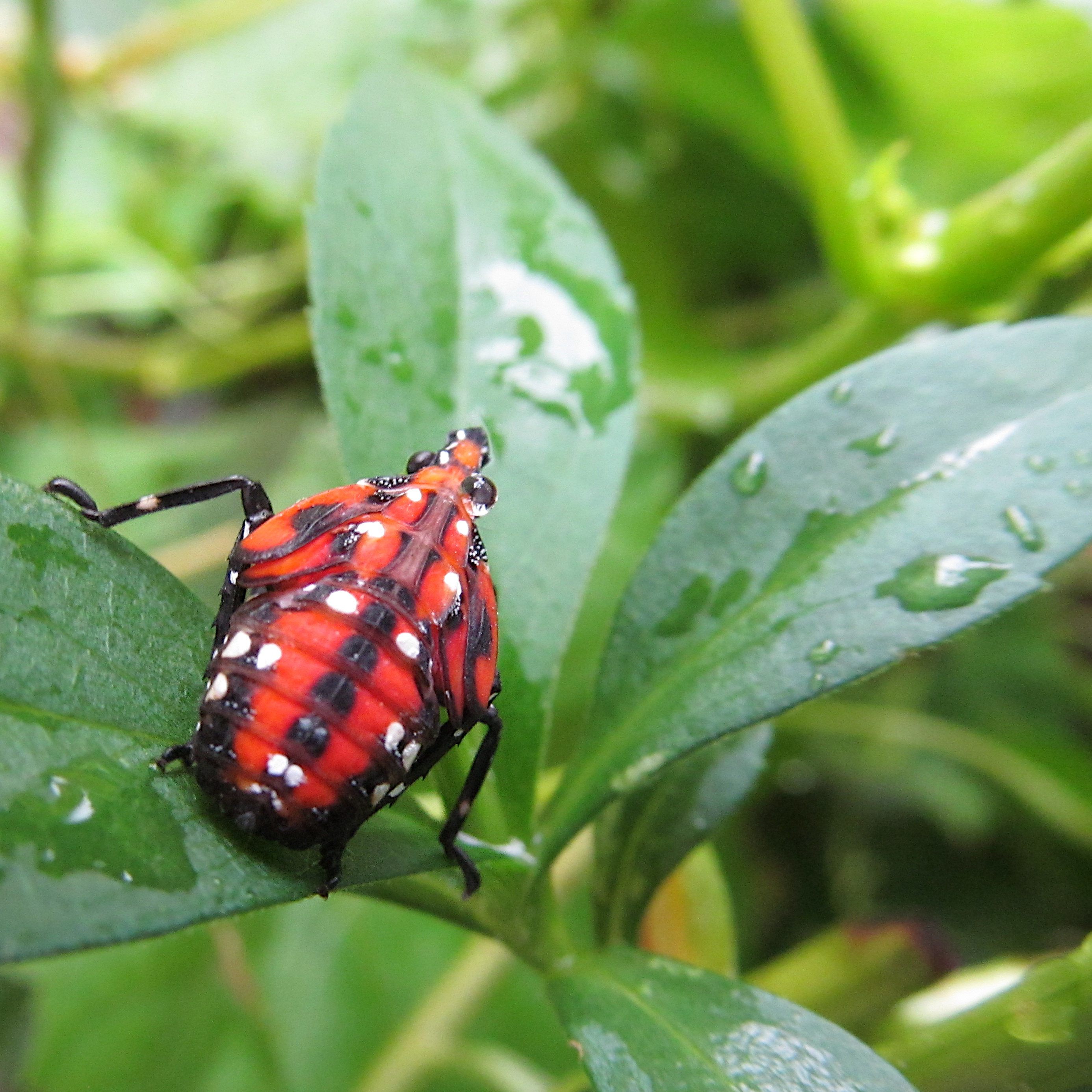
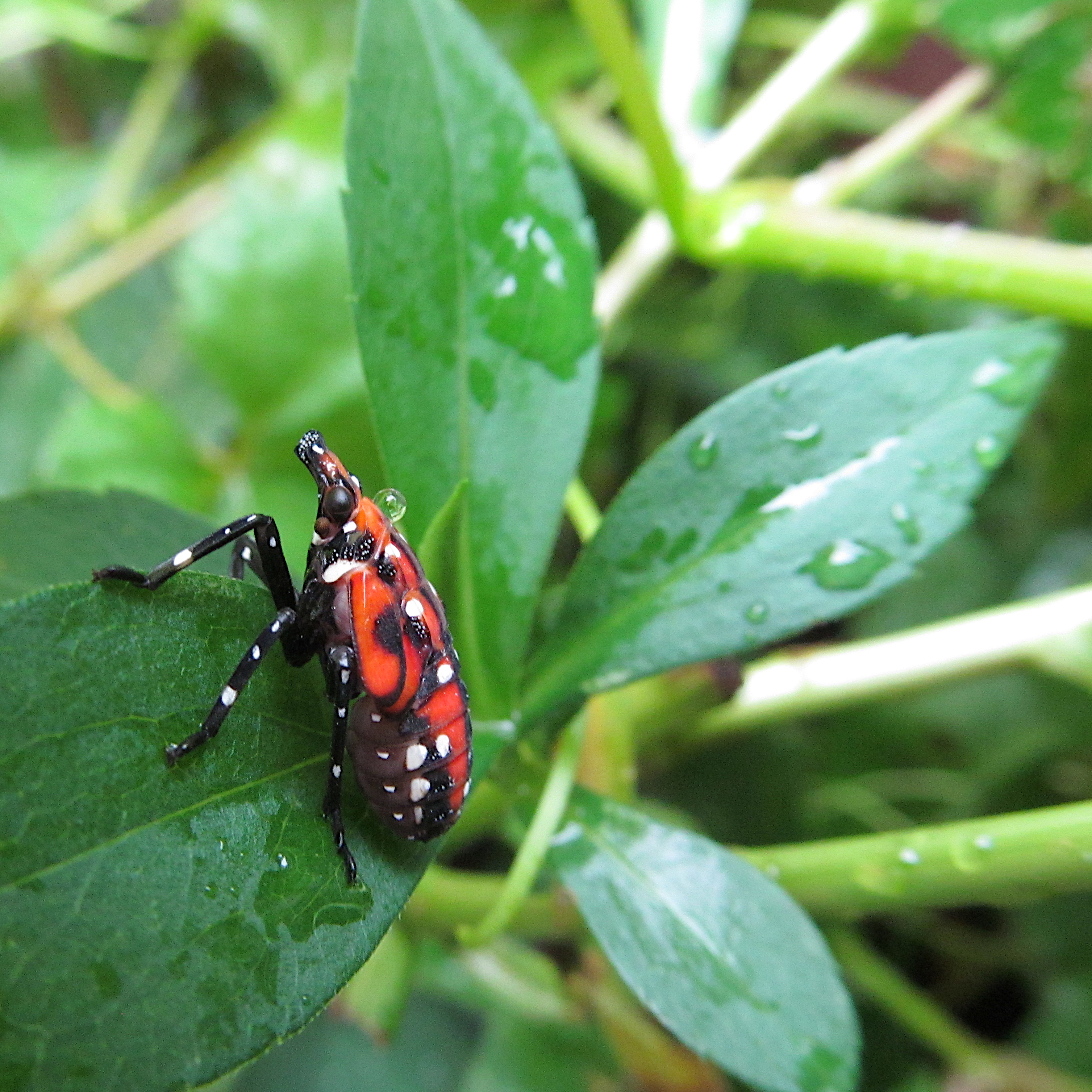
These little black bugs with sporty polka dots are the earlier nymph stage of the spotted lanternfly (Lycorma delicatula), the pest that has invaded Pittsburgh by the zillions and is threatening to kill off our local population of Tree of Heaven (Ailanthus altissima), another invasive pest that is the spotted lanternfly’s primary host. Old Pa Pitt recalls an old Roman saying about the curse of an answered prayer that seems appropriate here.
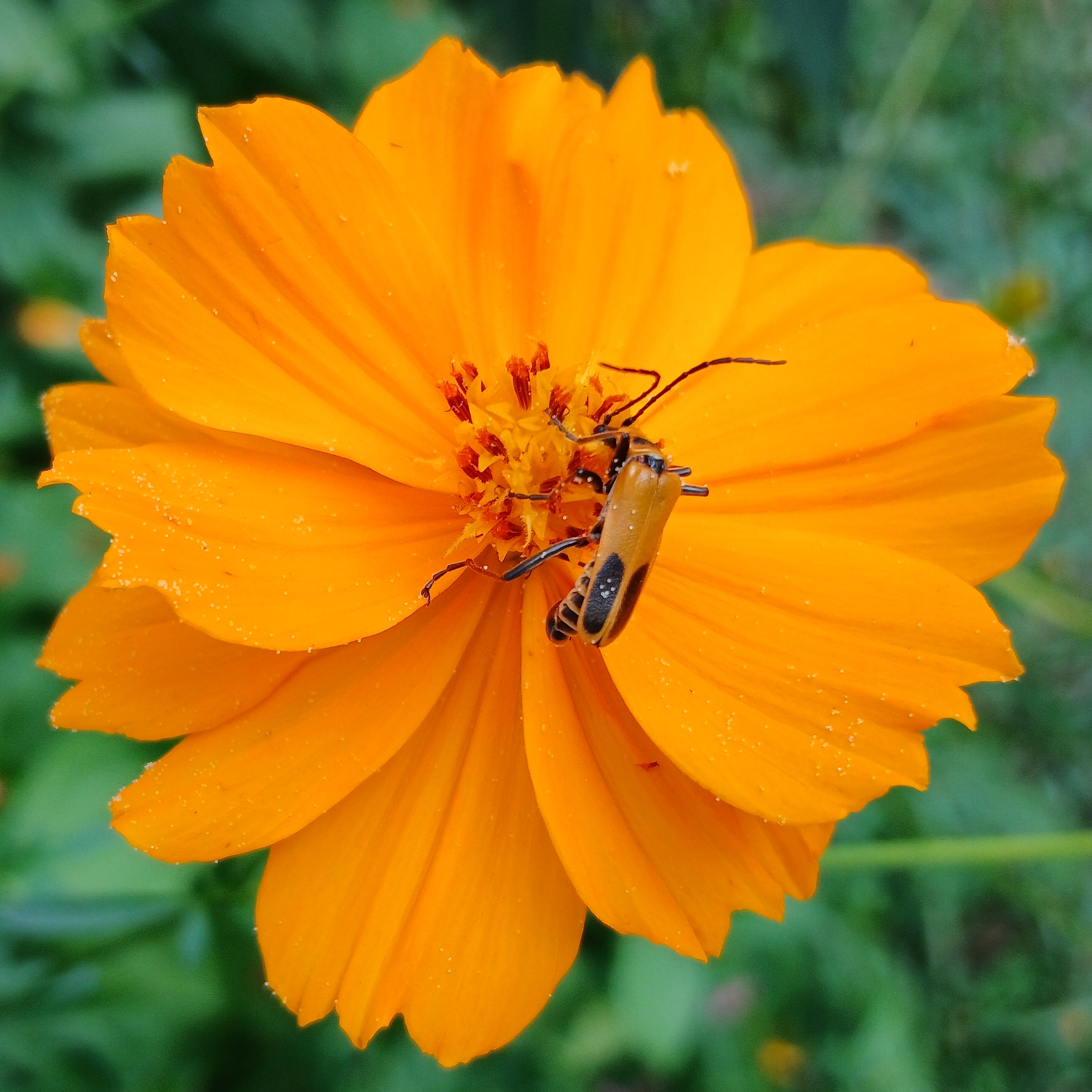
Father Pitt is fairly certain that the insect enjoying the pollen of this Cosmos sulphureus flower is a Pennsylvania Leatherwing (Chauliognathus pensylvanicus), a common kind of soldier beetle that prefers yellowish flowers that match its own snazzy uniform. He is always delighted to be corrected, however, by someone with more entomological expertise than he has.
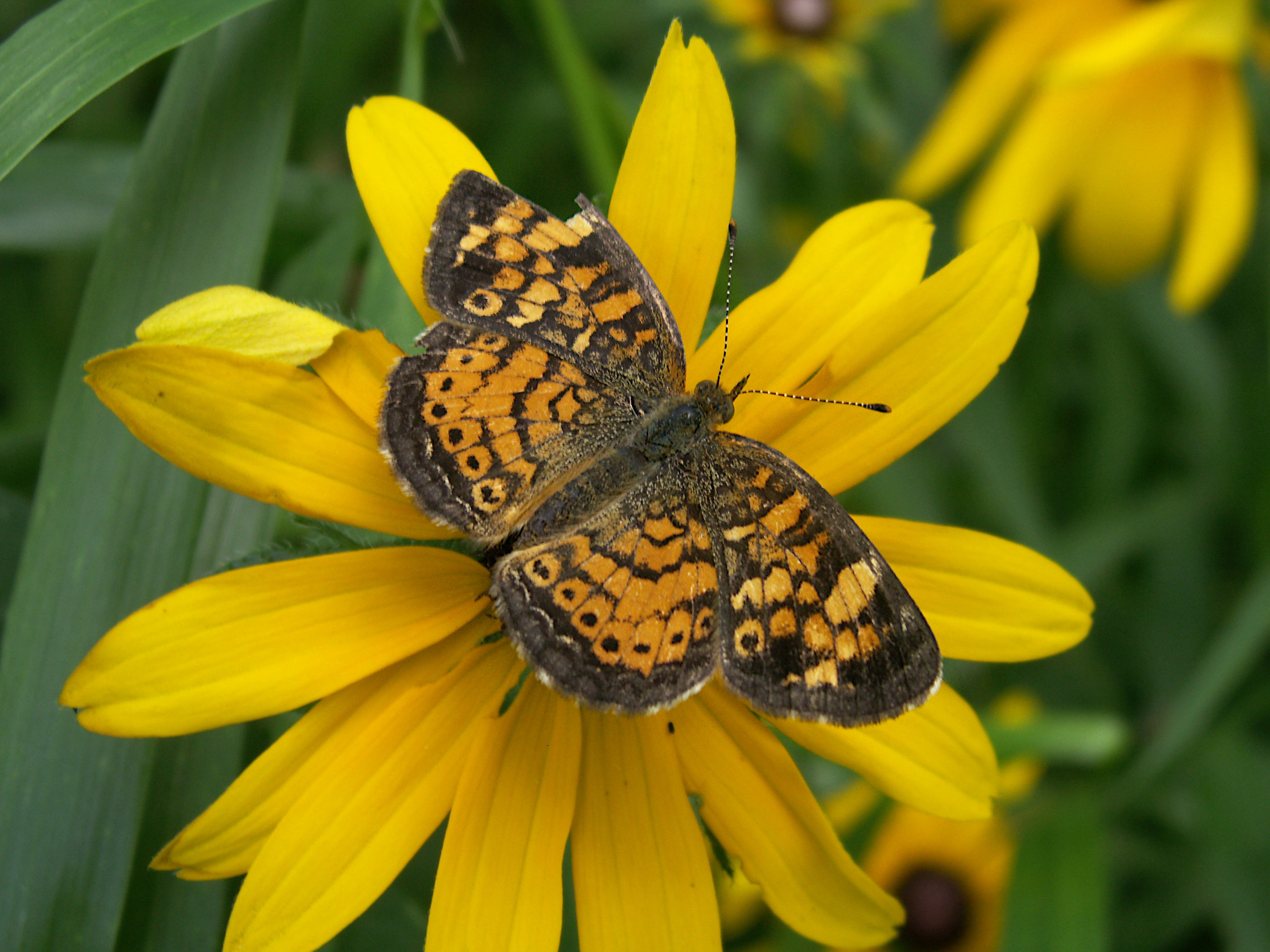
Father Pitt believes this little butterfly is a Pearl Crescent (Phycioides tharos), but he is not an entomologist, and corrections are always received with gratitude. Its slightly damaged wing was not preventing it from enjoying a patch of Black-Eyed Susan (Rudbeckia hirta) in Bird Park, Mount Lebanon.
Lycorma delicatula, a beautiful but destructive invader from China. Above we see the adult version; below are three views of the nymph in its late stage (an earlier stage looks similar, but black instead of red).
Allegheny County is in the Spotted Lanternfly quarantine zone, where these pests have become a serious problem. Their favorite host is the Tree of Heaven, otherwise known as Pittsburgh Palm or Tree from Hell (Ailanthus altissima), which is itself a beautiful but destructive invader from China. Spotted Lanternflies were unknown in the United States until 2014; now they are all over Pittsburgh. Although old Pa Pitt is inclined to say they can have as many Pittsburgh Palms as they want, these critters also cause damage to many other trees and vines. If you see one, you know what to do.
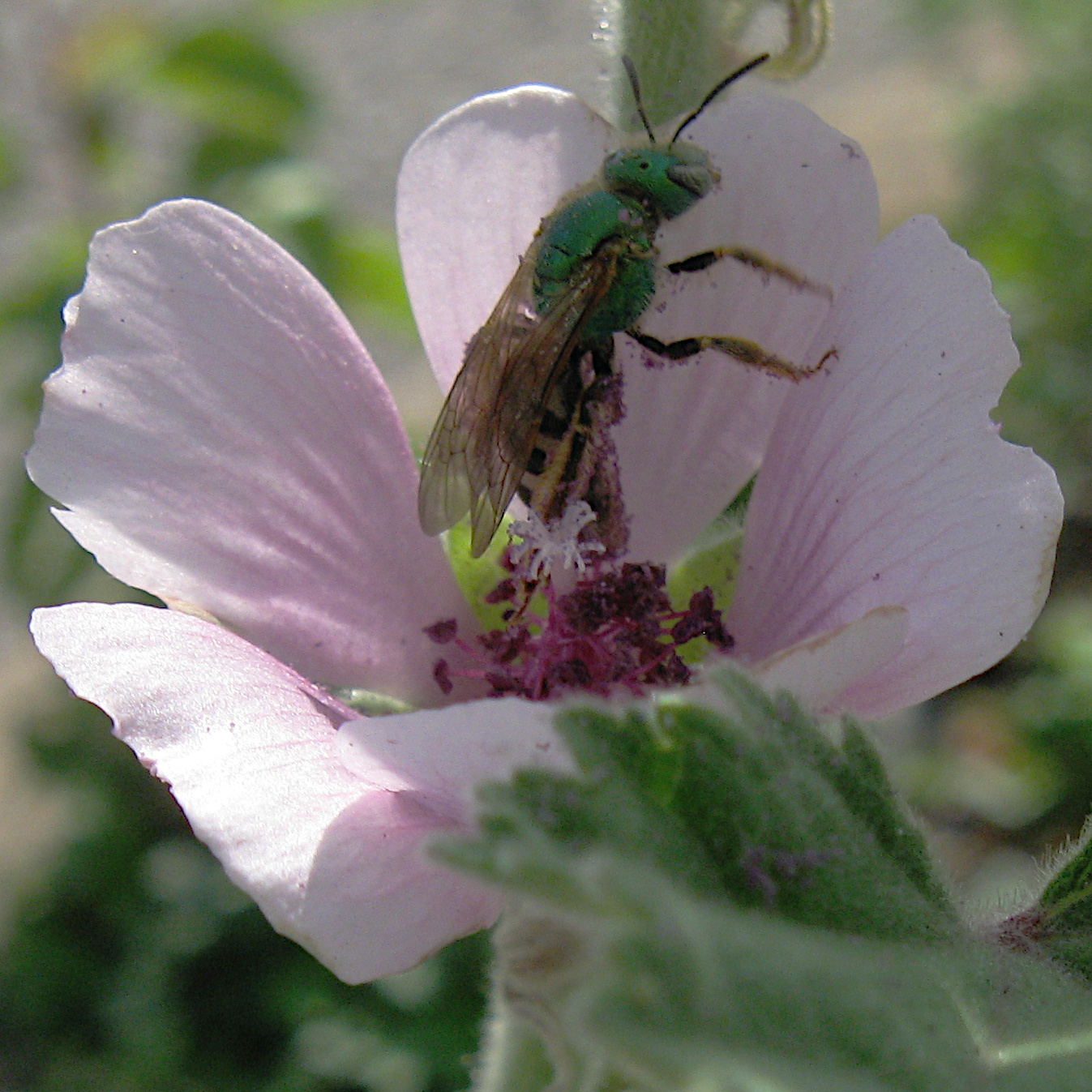
Father Pitt believes this is Agapostemon virescens. The world of entomology is one old Pa Pitt wishes he had entered into earlier; a whole universe of fascinating wildlife surrounds us, and some of these animals are shockingly beautiful. The flower is a Marsh Mallow (Althaea officinalis).
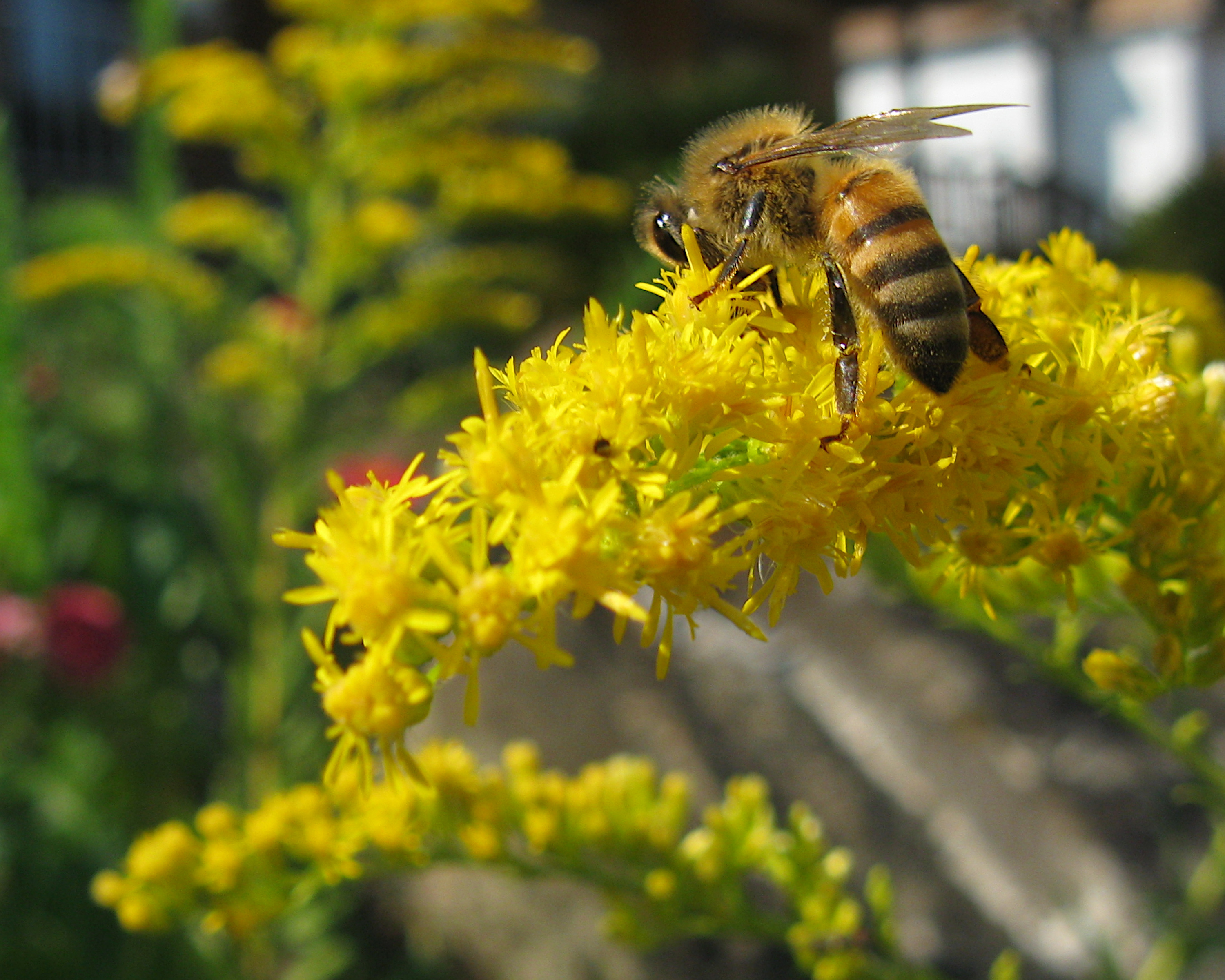
Goldenrod is everywhere in September, which makes the bees very happy. Here we see a bee having the time of her life with a Tall Goldenrod (Solidago altissima).
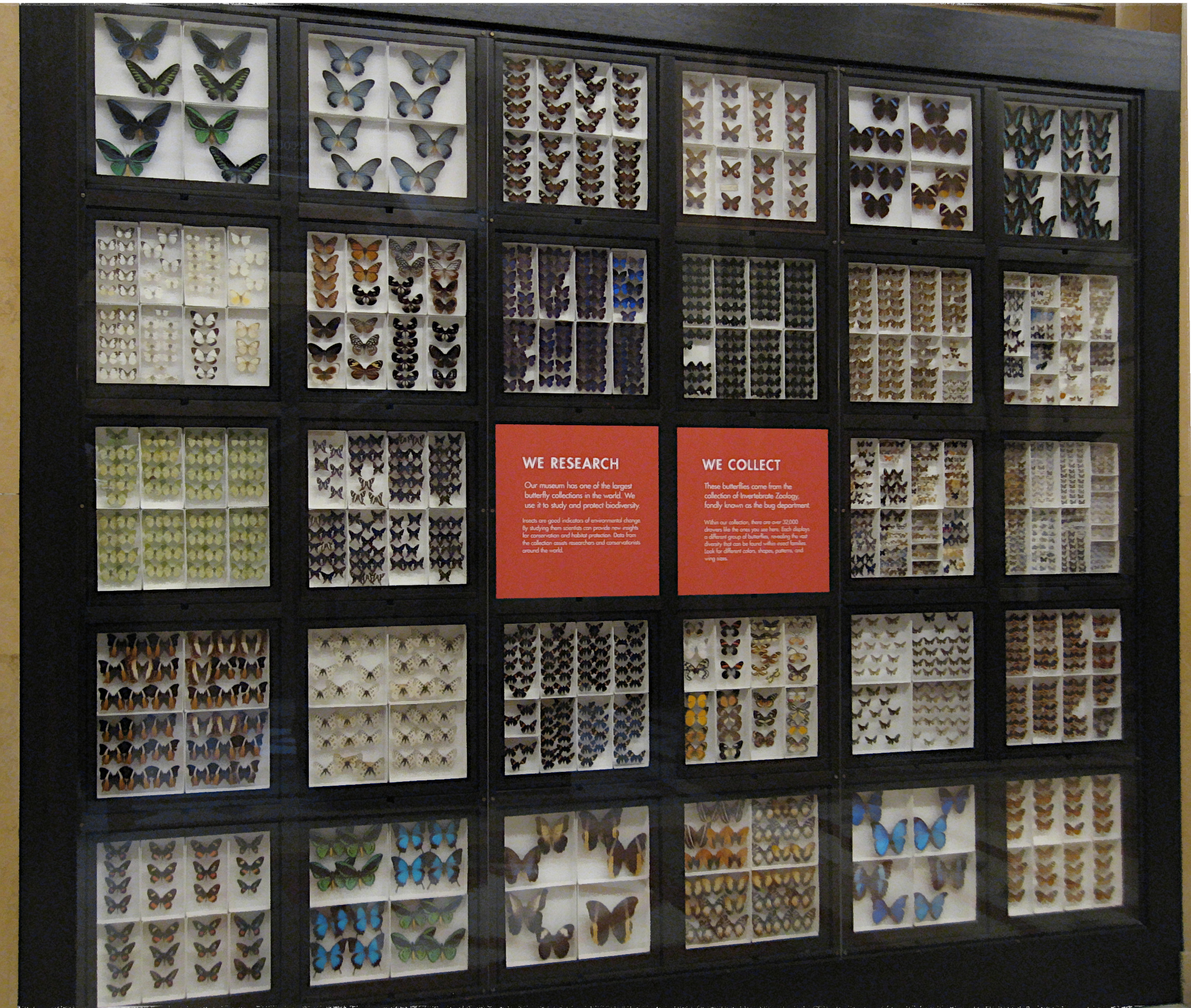
Thousands of drawers like these are in the Carnegie, one of the world’s top natural-history museums. Every once in a while the curators take out a few drawers from the bug collection and display them on the wall near the Grand Staircase.