Father Pitt

Tag: Georgian Architecture

  • Transition House, Mount Lebanon

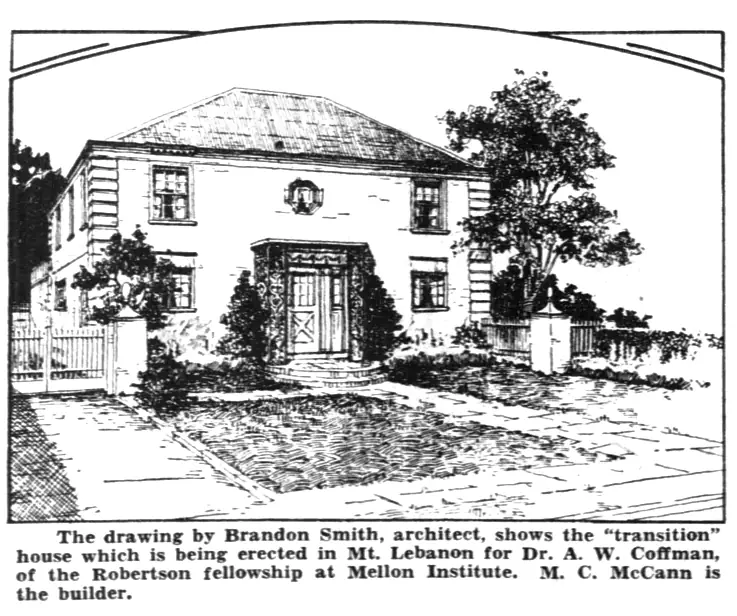
    The drawing by Brandon Smith, architect, shows the “transition” house which is being erected in Mt. Lebanon for Dr. A. W. Coffman, of the Robertson fellowship at Mellon Institute. M. C. McCann ins the builder.
    Transition House

    What, you may ask, is a “transition house”? It is a house designed to look traditional but use the most modern construction methods available in 1936. The idea was that the public could be induced to accept modern construction if it came without the modernist offenses against traditional aesthetics. Architect Brandon Smith—best remembered for some extravagant mansions in Fox Chapel—gave it all the decorative flourishes a 1930s suburbanite might expect from a “Colonial,” but under the stone and brick were super-modern materials developed at the Mellon Institute of Industrial Research.

    Decorative pillar
    Window
    Front door
    109 Markham Drive
    Front of the house

    Our information and the architect’s drawing above come from an article about the house in the Pittsburgh Press, published when the house was under construction in 1936. The whole article will interest a few architectural historians, so we have transcribed it below.

    (more…)
  • Rose Court, Mount Lebanon

    Rose Court

    The Rose Court apartments were built in about 1928 or 1929, and they have hardly changed at all externally. They are a complex of seven buildings in the Central Square area of Mount Lebanon, built in a subdued Georgian style around pleasant garden courts, so that one side of each building faces a garden.

    Panorama of Rose Court
    Rose Court with weeping cherries
    Weeping cherries again
    Rose Court
    Rose Court
    Rose Court
    Entrance
  • The Georgian, Shadyside

    The Georgian

    Many of the apartment buildings in the East End sold a kind of architectural fantasy to prospective residents. The Georgian went the obvious step further and named itself after its own architectural style. It adapts Georgian elements with some success to the configuration of a large city apartment house, arranged around a pleasant garden court. The needs of the automobile, however, mean that the dominant impression as we read the name of the building in front is of a blank metal door. Father Pitt decided to crop out the garage door for the picture of the court below.

    The Georgian
  • Americus Republican Club

    Americus Republican Club

    Edward B. Lee designed this clubhouse for the Americus Republican Club in a lush Georgian style. It was built in 1918, and it spans the whole (very short) block from the Boulevard of the Allies to Third Avenue. Since the club moved out, this has been known as the Pitt Building.

    Old Pa Pitt thinks the off-center pediment is an interesting choice for neo-Georgian architecture. It would not have occurred to him if he had been the architect, but the expected symmetry would probably have made a duller façade.

    Update: A correspondent points out that Second Avenue was widened into a boulevard in 1921, and it was done by trimming, moving, or demolishing buildings on the north side of the street. One large building was moved back forty feet. Forty feet would be just enough to account for the asymmetry of this façade. E. B. Lee would have been available to supervise the alterations, but the building’s current form would represent the best he could do under adverse circumstances, not his original grand vision for the Americus Club.

    Another update: The conclusion that part of the building was demolished was correct. “Construction Notes,” Pittsburg Press, October 26, 1920, p. 9: “Preliminary estimates are being received for removing buildings in Second ave. and part of the Americus club building, for the avenue’s widening, the portion taken to be replaced by an addition in the rear.” Thus the Smithfield Street façade was originally symmetrical.

    Window
    Lunette
    Pitt Building
  • Stone House in Point Breeze

    House on Reynolds Street

    This stone house makes a fine impression as you walk by on Reynolds Street. If you just glanced at it, you might miss a very unusual feature: the corner windows in the front bedrooms on the second floor. Corner windows were very popular for a while in the middle twentieth century in modernist residences: they had the very practical purpose of leaving large expanses of wall blank for furniture or decorations. But it is not common to see them on a house that probably dates from about 1900.

    Oblique view
    Front door
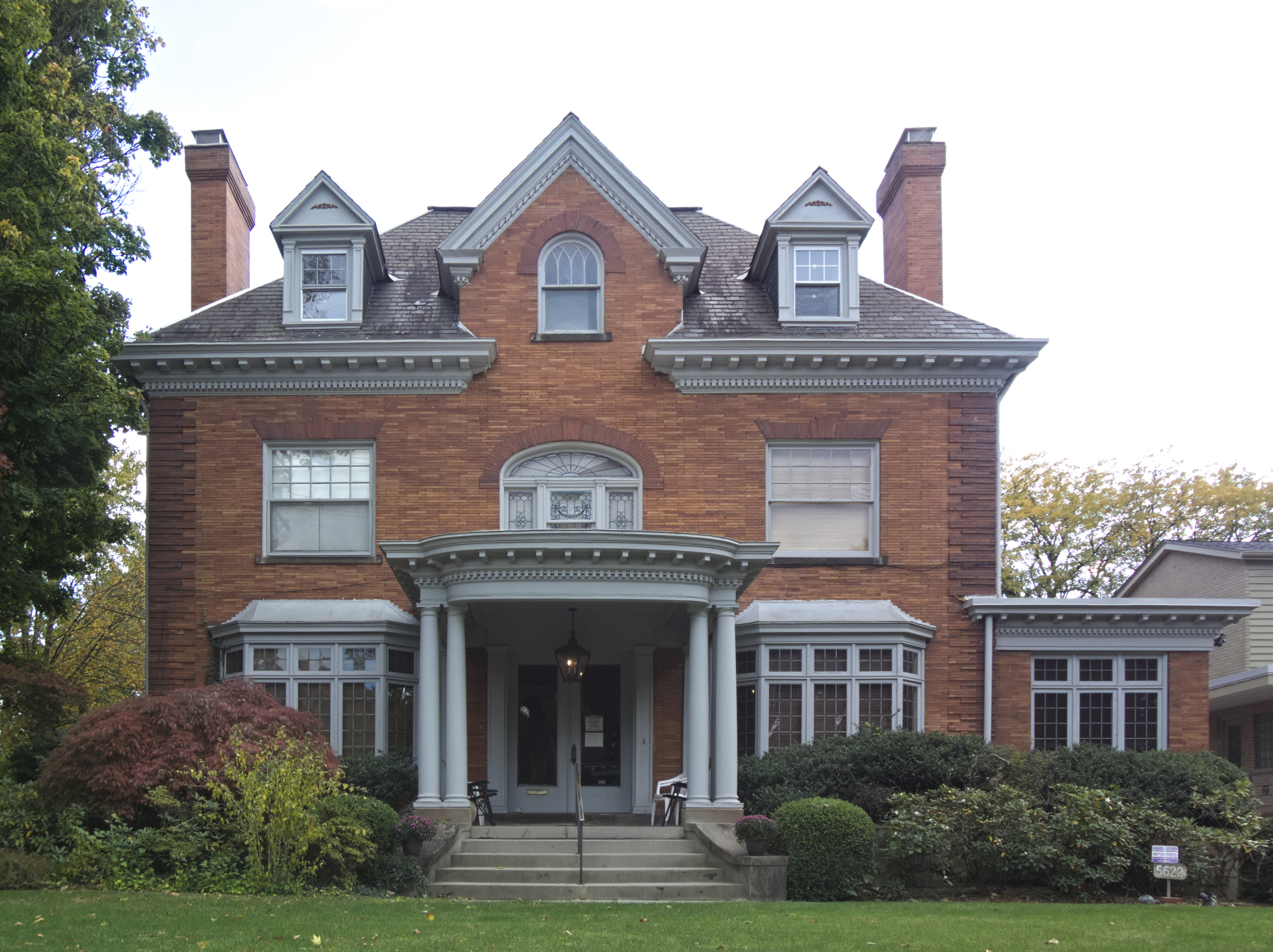
  • Georgian House in Schenley Farms

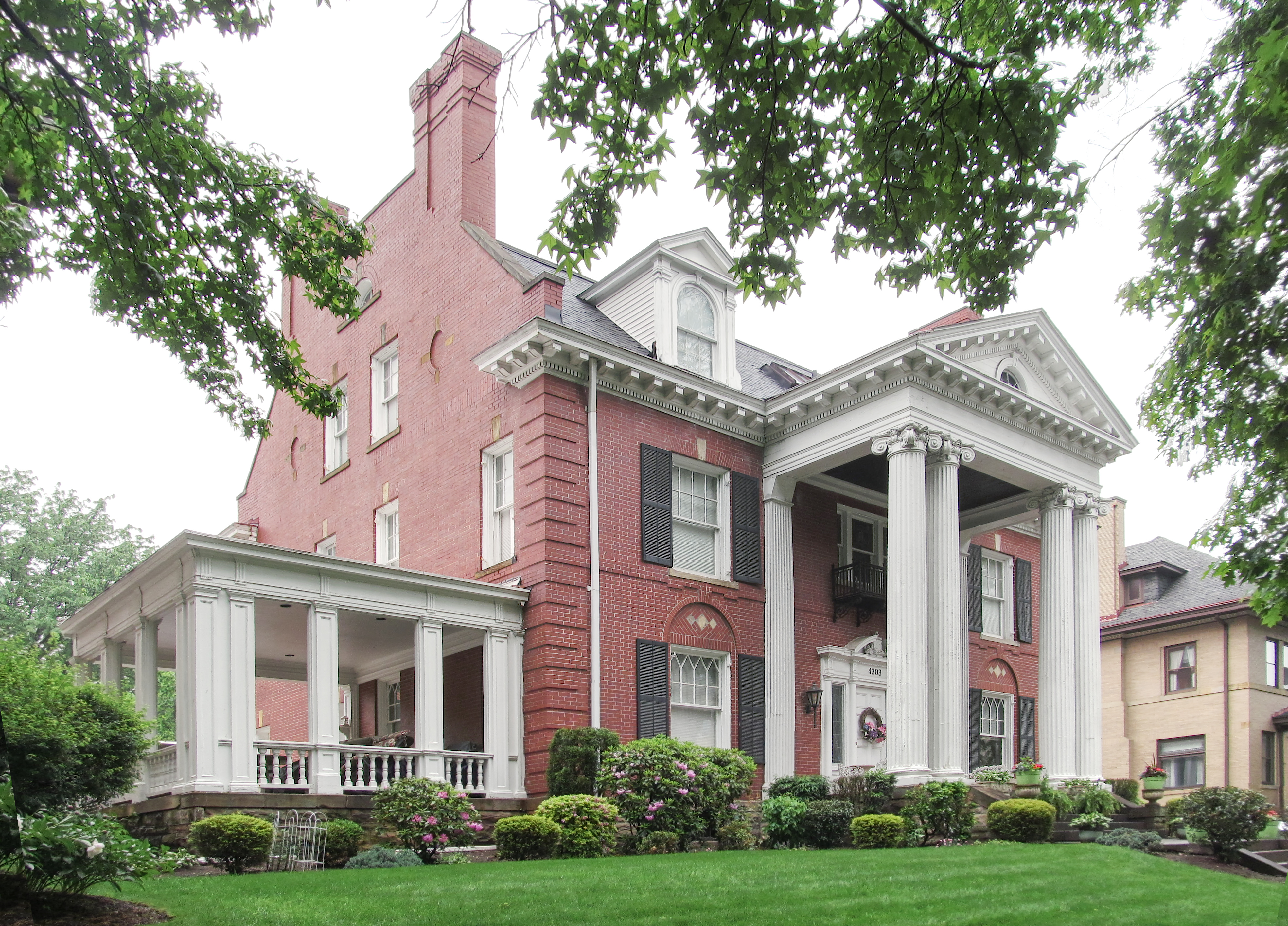
    Georgian house

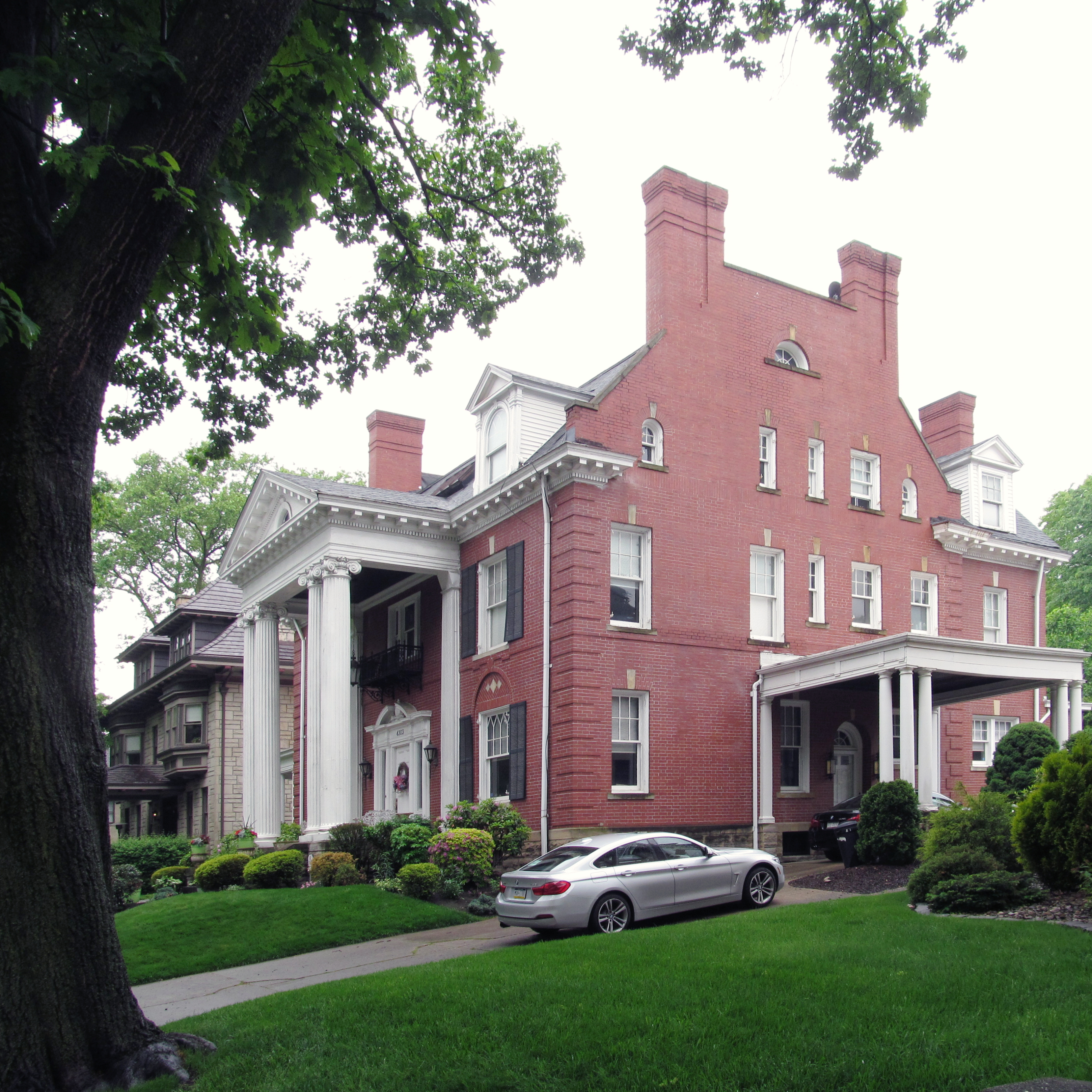
    A splendid example of the Georgian revival, which is not a very common style in Schenley Farms. This is one of those domestic masterpieces that make Schenley Farms “a museum of early twentieth century domestic architecture,” in the words of the historical marker put up by the Pittsburgh History and Landmarks Foundation in 1978.

    From across the street
    Front door
    Ionic capitals
    Side porch
    From the east
  • Berry Hall, Chatham University

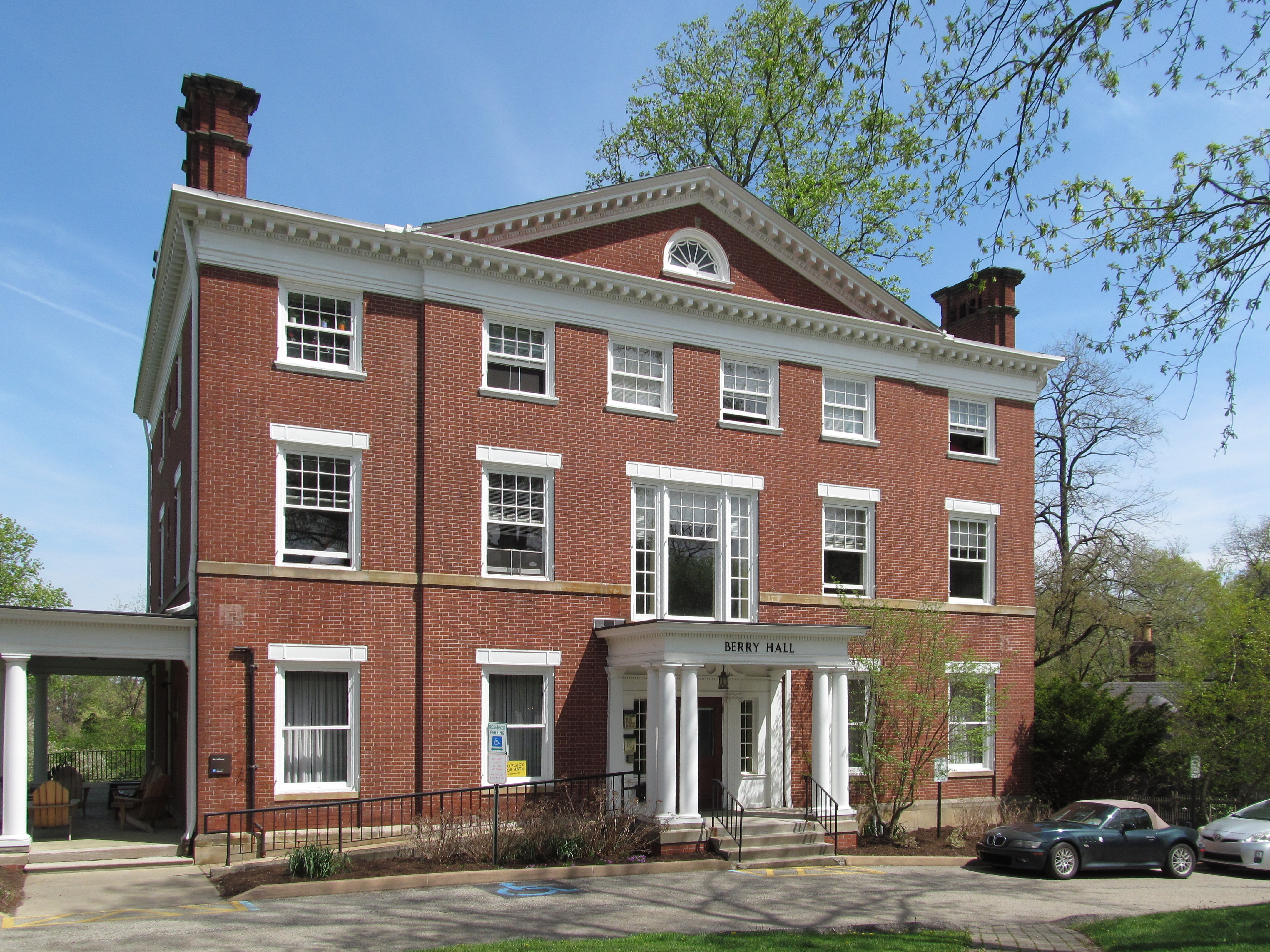
    Built in 1895, this is one of several magnificent private houses that have come into the possession of Chatham University without drastic architectural modification. The exterior is in an exceptionally accurate Georgian style that would be right at home in Annapolis or Williamsburg.

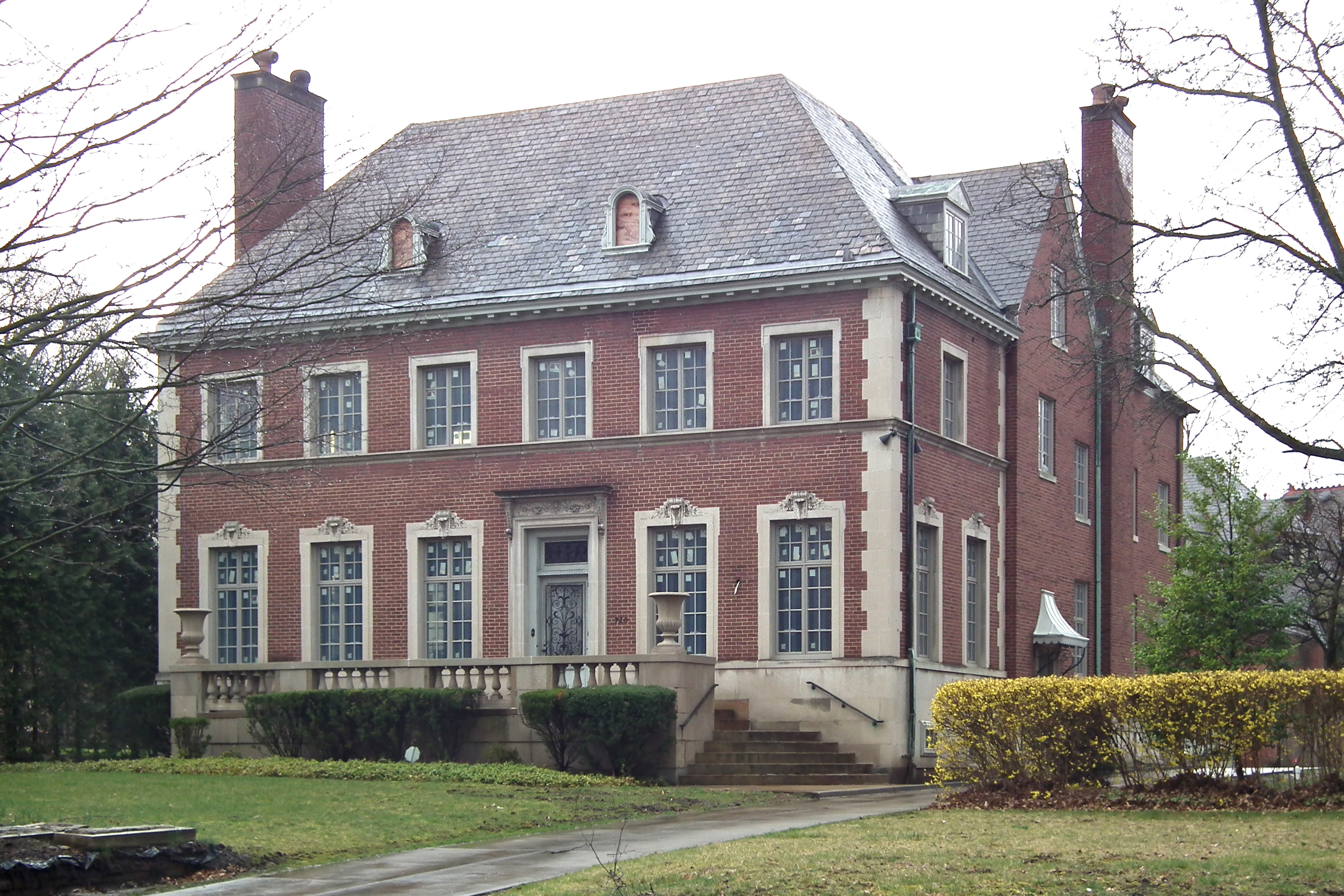
  • Georgian Mansion in Shadyside

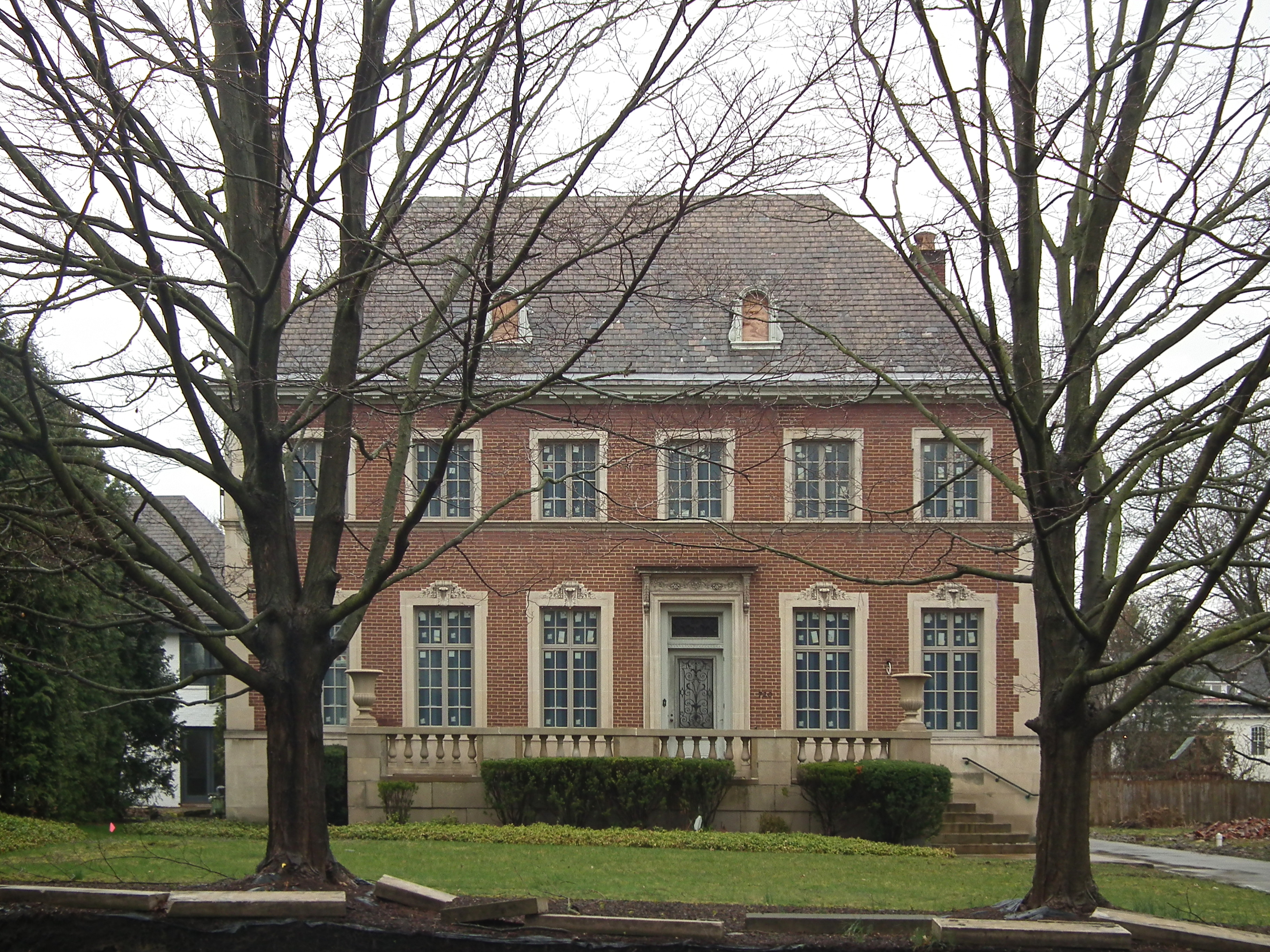
    720 Amberson Avenue

    A large house that probably dates from the 1920s, with a recent expansion in the rear; it was getting all new windows when old Pa Pitt took these pictures.

    With trees
    Main entrance
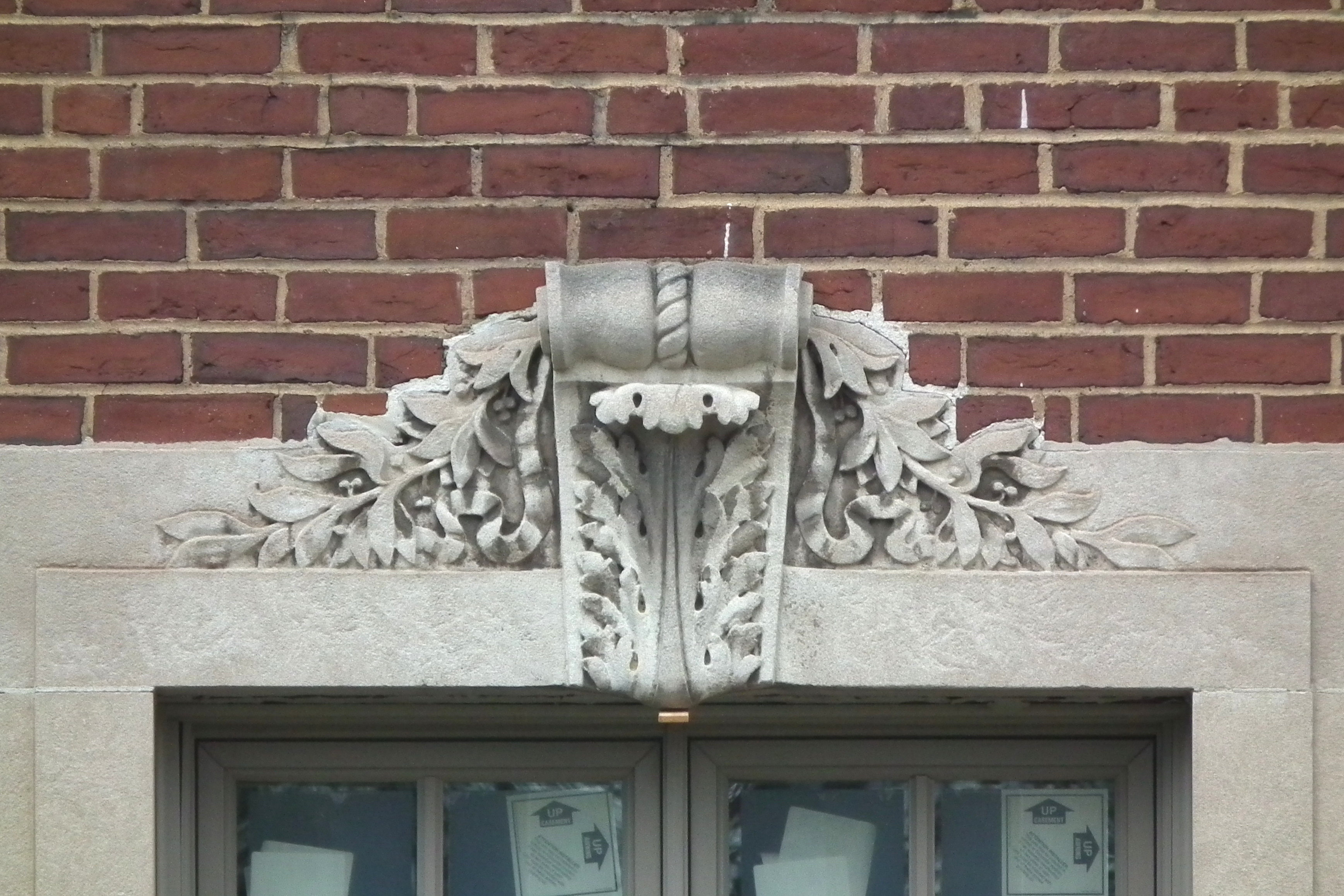
    Lintel
    Oblique view

    A “virtual tour” from a year ago, when the house sold for a little less than two million, shows a computer simulation of a thoroughly modernized interior.

  • Eclectic House on Aylesboro Avenue, Squirrel Hill

    A little bit Georgian with a hint of Gothic, this house is oddly eclectic in its details but harmonizes them well.

  • Emerald Apartments, Beechview

    Emerald Apartments

    Old Pa Pitt’s obsession with small apartment buildings continues. This one is on Broadway in Beechview. It seems to have been originally meant as an imitation of a Georgian mansion of the sort found in Annapolis or Williamsburg. It looks as though smaller windows have been installed, and the semicircle of bricks at the top of the central stairs might have been a “Palladian” window. In spite of alterations and repairs, though, it remains a pleasing and distinctive building.