Tag: Alden & Harlow

  • South Hills High School, Mount Washington

    South Hills High School

    Here is a large institutional building whose story of abandonment and decay has a happy ending.

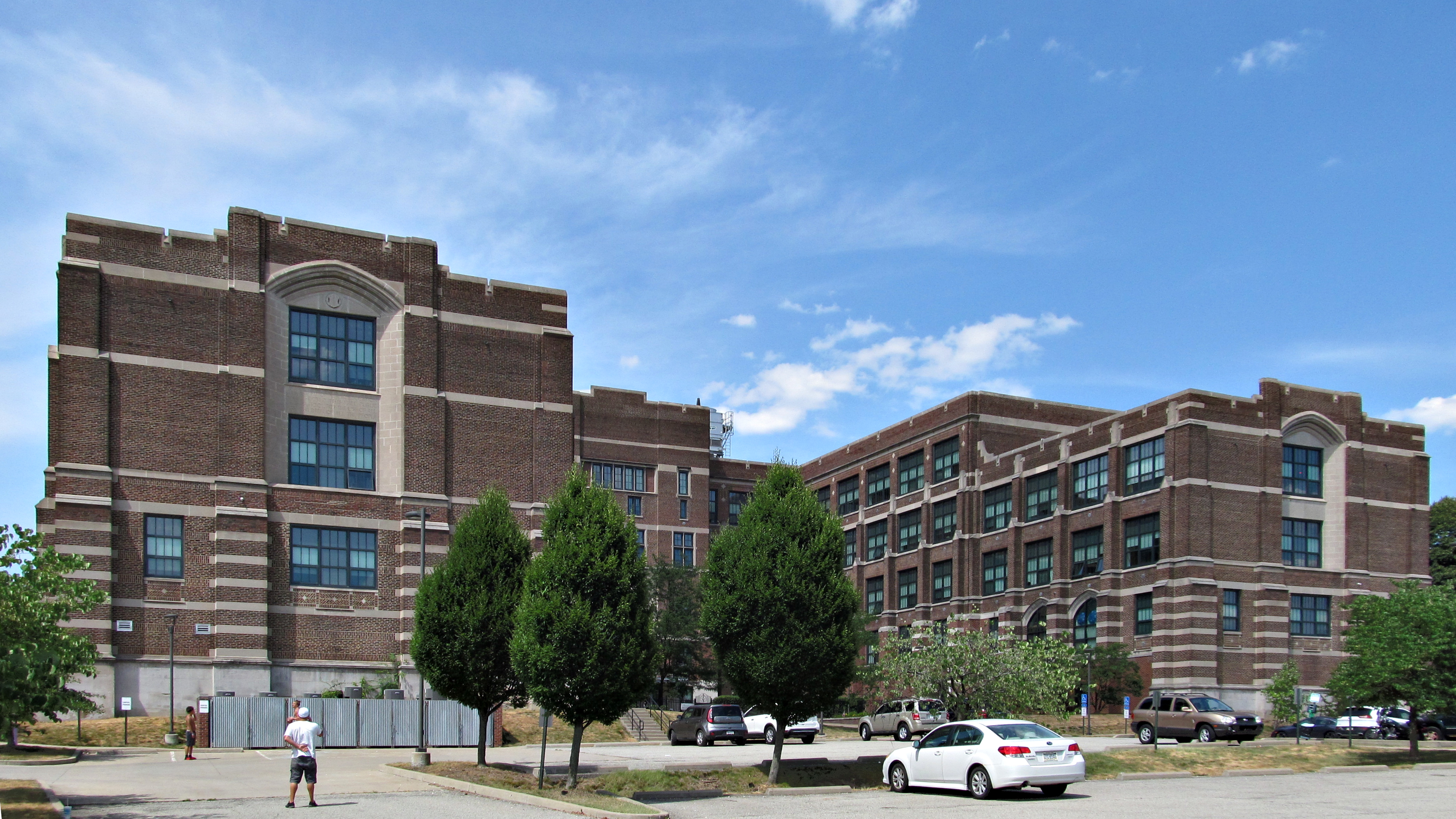
    South Hills High School was Pittsburgh’s second great palace of high-school education, right after Schenley High School. For this one, the city hired Alden & Harlow, arguably the most prestigious institutional architects money could buy. They were responsible for the Carnegie Institute and all the branch libraries, in addition to multiple millionaires’ mansions and skyscrapers downtown.

    The site of the school is improbably vertical. In those days, “South Hills” meant the back slopes of Mount Washington, and a walk along the side of this school is a steep climb. But the architects met the challenge with a Tudor Gothic palace that seems to have grown on the site. It takes up a whole city block.

    South Hills High School

    The Ruth Street side of the school opened in 1917; the rest of the school—planned from the beginning—opened in 1925. For many years the school took in students from the South Hills and beyond—“beyond” meaning Banksville, Beechview, and Brookline. In 1976, a monstrously modernist new school—Brashear—opened in Beechview, which took in all the students from the southern neighborhoods. With population declining and the building getting old, the city decided to close South Hills altogether in 1986.

    And then it sat and rotted for 23 years.

    But, as we said, the story has a happy ending. As you see from these pictures, the building is well taken care of now. In 2010 it reopened as apartments for senior citizens, so that once again it is an ornament to its neighborhood.

    The wonderfully thorough Brookline Connection site has a long article about South Hills High School, including the architects’ plans.

  • Carnegie Library, Lawrenceville Branch

    Lawrenceville branch library

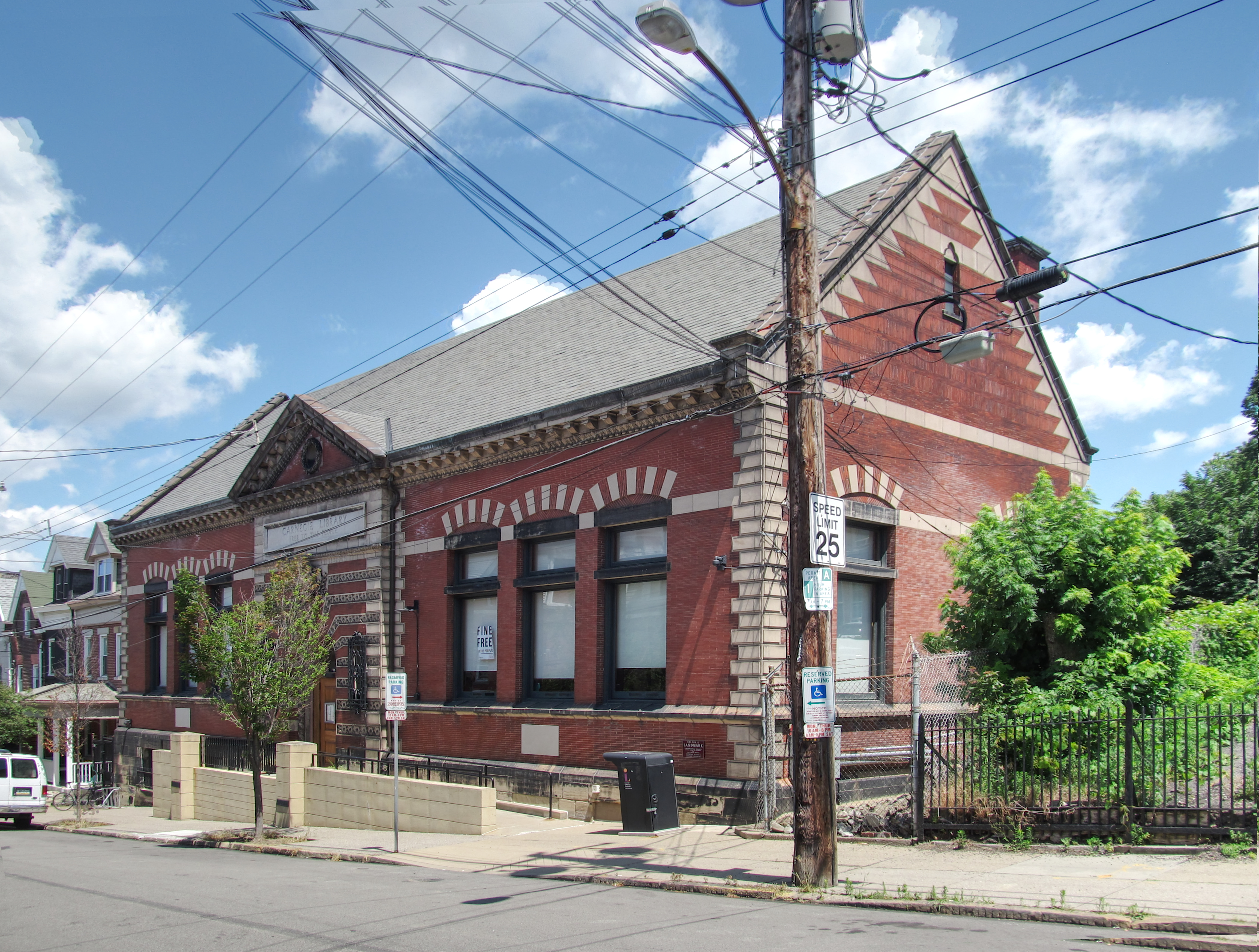
    This fine little Renaissance palace, built in 1896, was the first of Carnegie’s branch libraries, and thus arguably the vanguard of the whole idea of branch libraries. It was also the first public library with open stacks, where patrons would just walk to the shelf and pick up the book by themselves. In other libraries—including much of the main Carnegie in Oakland until a few years ago—the patron would ask for the book at the desk, and a librarian would run back to the mysterious stacks and fetch it.

    Like all the original libraries in the Carnegie system, this was designed by Alden & Harlow.

    Carnegie Library Lawrenceville
  • Carnegie Library, Homewood

    Carnegie Library Homewood

    This is the neighborhood library every neighborhood dreams of. It was designed by Alden & Harlow (according to Wikipedia, Howard K. Jones, who worked for the firm, may have been principally responsible for this library), and it is the most palatial of their branch libraries in the city. Most of the others are classical, but this is institutional Gothic. Restored to its original splendor, it is kept immaculately beautiful, and it seems to be busy. Old Pa Pitt promised the librarian he would not capture any patrons in the interior shots—which necessitated some patience, because people would keep walking in front of the woodwork.

    Exterior
    Entrance
    Windows

    The rear windows look out on the side of Holy Rosary Church.

    Children’s room
    War memorial

    A stunningly beautiful Great War memorial for the neighborhood is divided in two halves flanking the entrance.

    War memorial
    Ornament

    An ornament at the peak of the Hamilton Avenue façade.

  • Old Hazelwood Branch Library

    Old Hazelwood library

    Andrew Carnegie peppered the city with neighborhood libraries designed by his favorite architects, Alden & Harlow. They’re all little gems. This one has been abandoned for years, since a new library was built in the mostly empty business district of Hazelwood on Second Avenue. (That block of Second Avenue now seems to be the center of the Hazelwood neighborhood revival.) It is still in good shape, and—unlike an abandoned church or synagogue—it would be a relatively easy building to adapt to new uses.

  • The Little Phipps Conservatory at Clayton

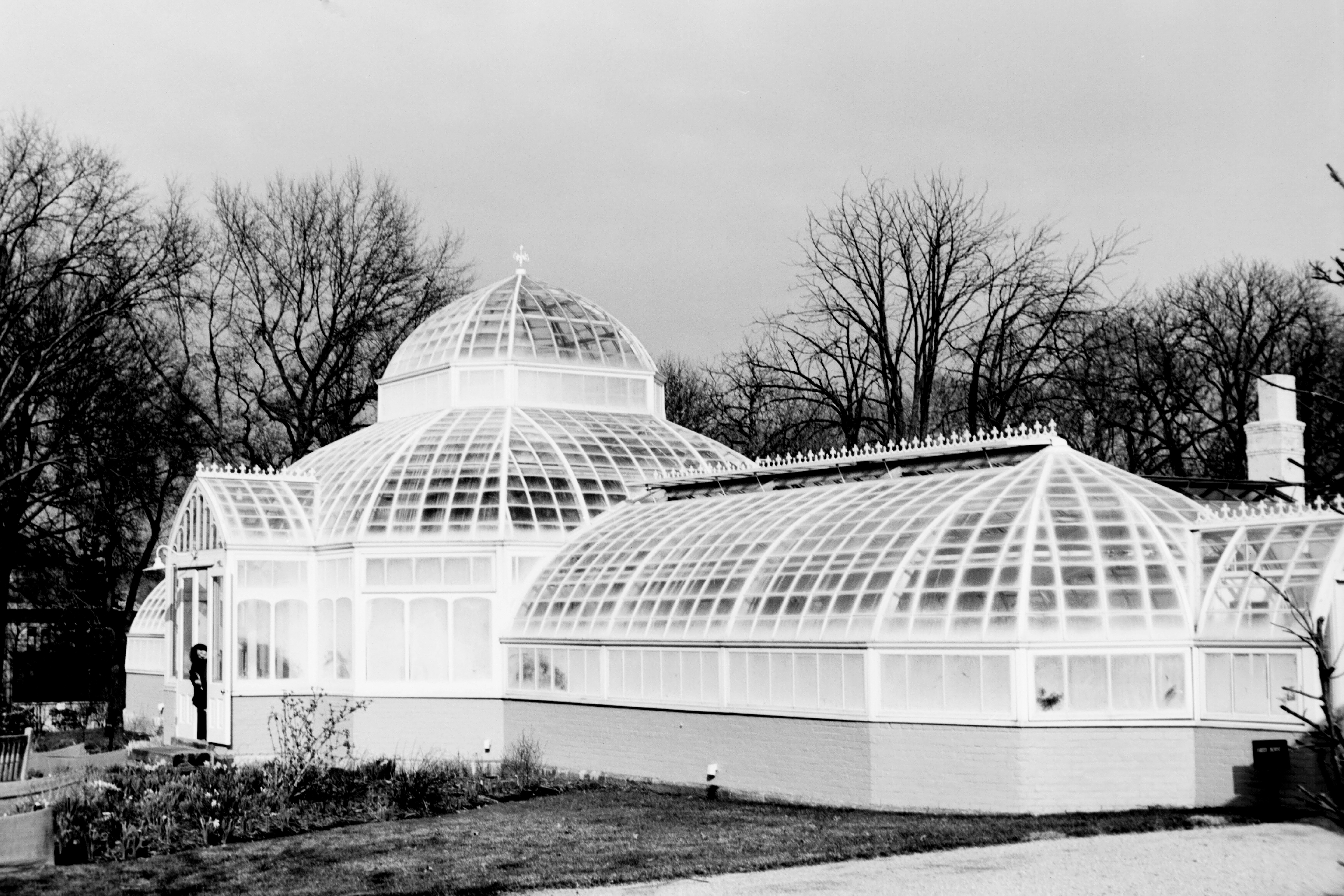
    Conservatory at Clayton

    Henry Clay Frick really liked the Phipps Conservatory in Schenley Park when it went up in 1892. He liked it so well that he said, “I want one of those in my back yard,” and hired Alden & Harlow to design it. (You can do that when you’re a robber baron.) They gave him a miniature of Phipps Conservatory, with a central greenhouse large enough for substantial citrus trees.

    These pictures were taken in March of 2000 with a Kodak Pony 135.

    Conservatory
  • Commercial National Bank

    Commercial National Bank

    This little bank on Fourth Avenue was originally designed by Alden and Harlow. The central section has been ruthlessly mutilated, with the elegant arch replaced by a cartoon suggestion of an arch. For reasons unknown, much of the rest of the building was left untouched (although it is pretty clearly missing its top), and the details there are enough to make it worth our while to stop and admire them.

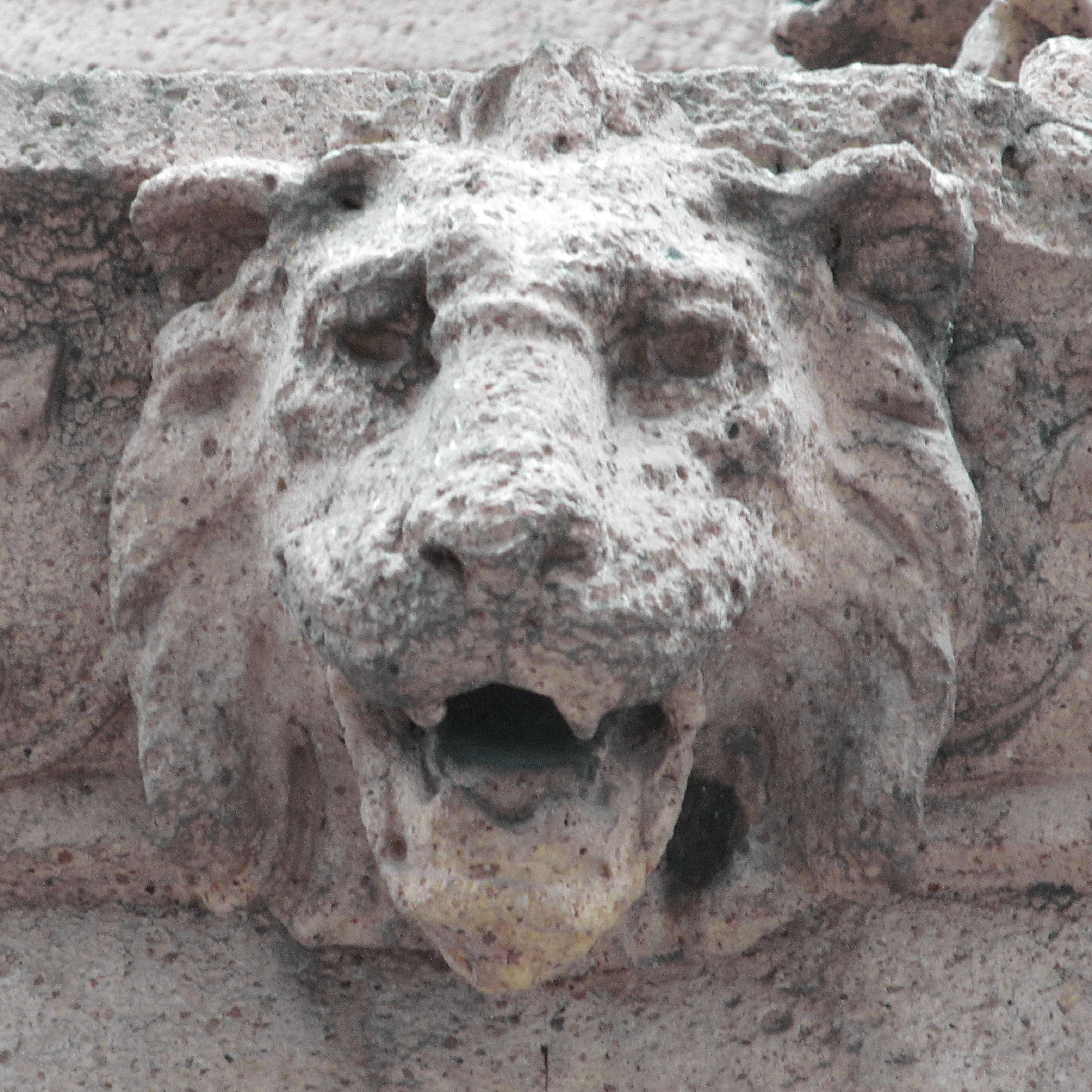
    Of course there are lions. How could there not be lions?

  • Carnegie Library, South Side Branch

    Carnegie Library, South Side Branch

    One of Alden and Harlow’s distinguished designs for small libraries, this one has changed very little externally since it opened.

  • People’s Savings Bank Building

    People’s Savings Bank Building

    The Bank Tower, as it is now called, has a brand-new painted sign on the back side. The building, finished in 1902, was designed by the prolific firm of Alden & Harlow, Andrew Carnegie’s favorite architects.

    [A correction: An earlier version of this article identified Alden & Harlow as a Boston firm, but they had moved to Pittsburgh by this time, leaving their former partner Longfellow behind.]

  • Lion on the Commercial National Bank Building

    No street in Pittsburgh, and possibly in the country, is denser with lions than Fourth Avenue. These little lions decorate the Commercial National Bank building by Alden & Harlow, one of the small but richly ornate banks that filled in the gaps between the famous bank towers.

  • Victory Building (in Better Light)

    Old Pa Pitt published a nearly identical picture of the Victory Building a while ago, but he was unhappy with the patch of blinding sunlight that washed out one corner of it. Here is the same view in more even lighting.