A large panorama (click on it to see it at full size) of Station Square in the winter as seen from across the Monongahela. The bluff of Mount Washington lowers behind, with the Monongahela Incline at the left of the picture.
A large panorama (click on it to see it at full size) of Station Square in the winter as seen from across the Monongahela. The bluff of Mount Washington lowers behind, with the Monongahela Incline at the left of the picture.

Pittsburgh’s Chinatown was tiny but packed. Much of it was destroyed in the building of the Boulevard of the Allies after the First World War, but it remained a Chinese enclave for another decade or so, and Chinese businesses rebuilt along the stump of Second Avenue beside the Boulevard ramp.

The Chinatown Inn is the only business remaining from the old days of Chinatown. Another Chinese restaurant is a modern addition. The rest of the two blocks remaining in Chinatown is mostly given over to lawyers’ offices.
Addendum: The Chinatown Inn occupies the On Leong & Merchants Association building, designed by architect Sidney F. Heckert.


One Oxford Centre is a cluster of octagons put up during the 1980s construction boom downtown. In fact it was to have an even taller partner next to it, but that never materialized before the boom went bust. The architects were the firm of Hellmuth, Obata + Kassabaum, now known as HOK, currently the biggest architectural firm in the United States.

These two buildings are nearly identical, but differ in their decorative details. The cherubs on the pilaster capitals of number 321 are especially notable.

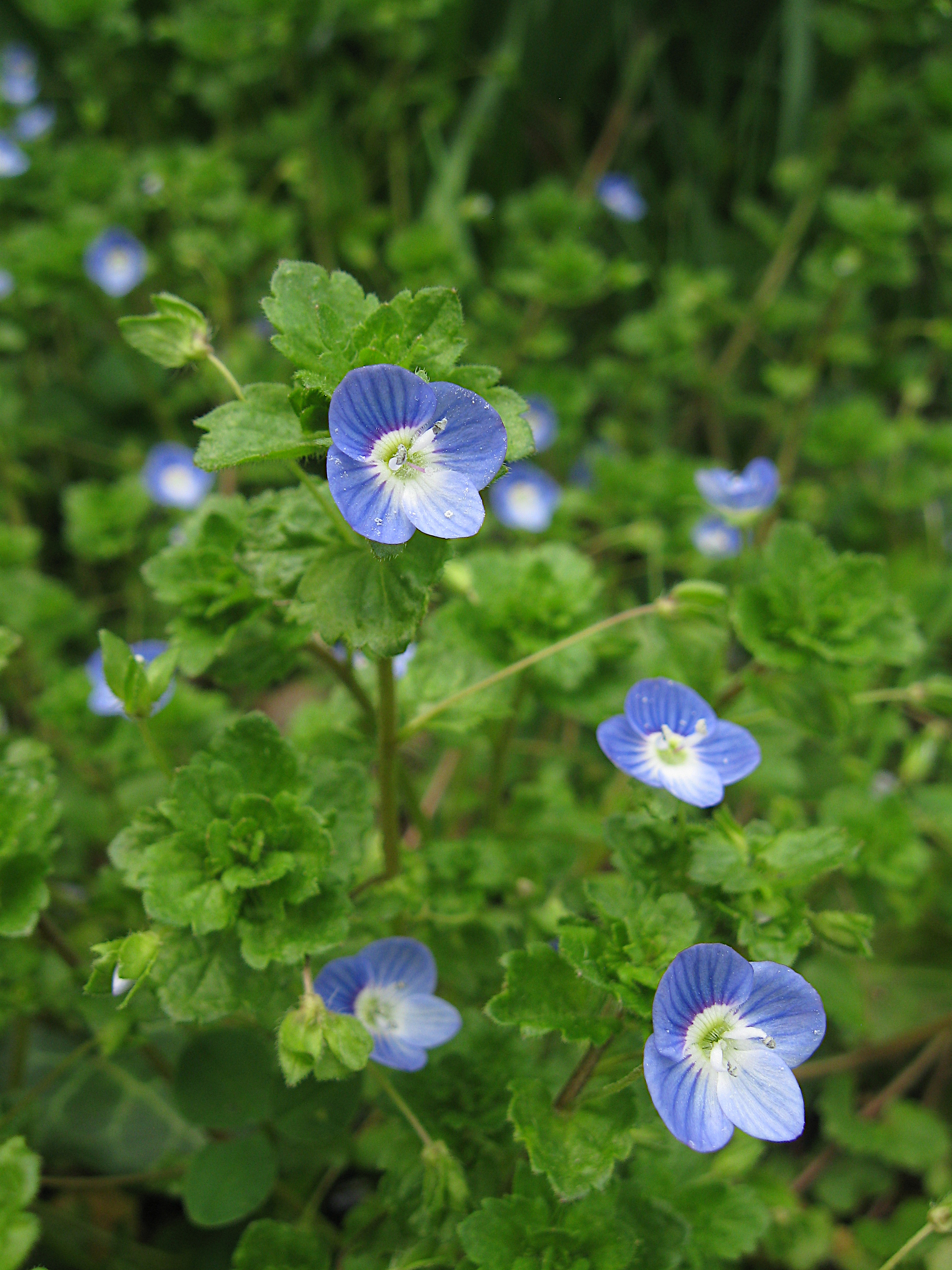
These gorgeous sky-blue flowers would be garden treasures if they were a little bigger. They are tiny enough that many of us hardly even notice them in our lawns and sidewalk cracks. Veronica persica is a European import, like almost all our lawn weeds.