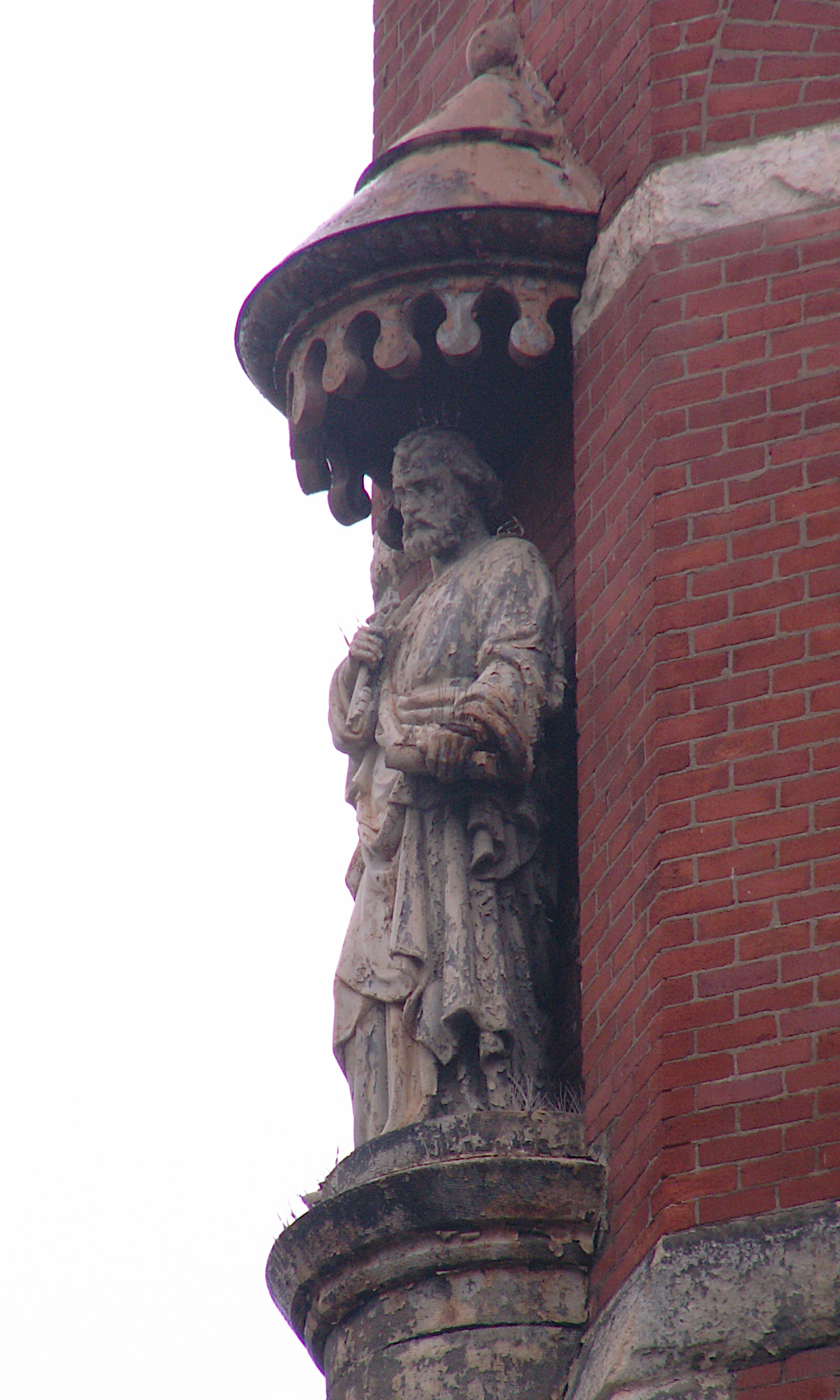
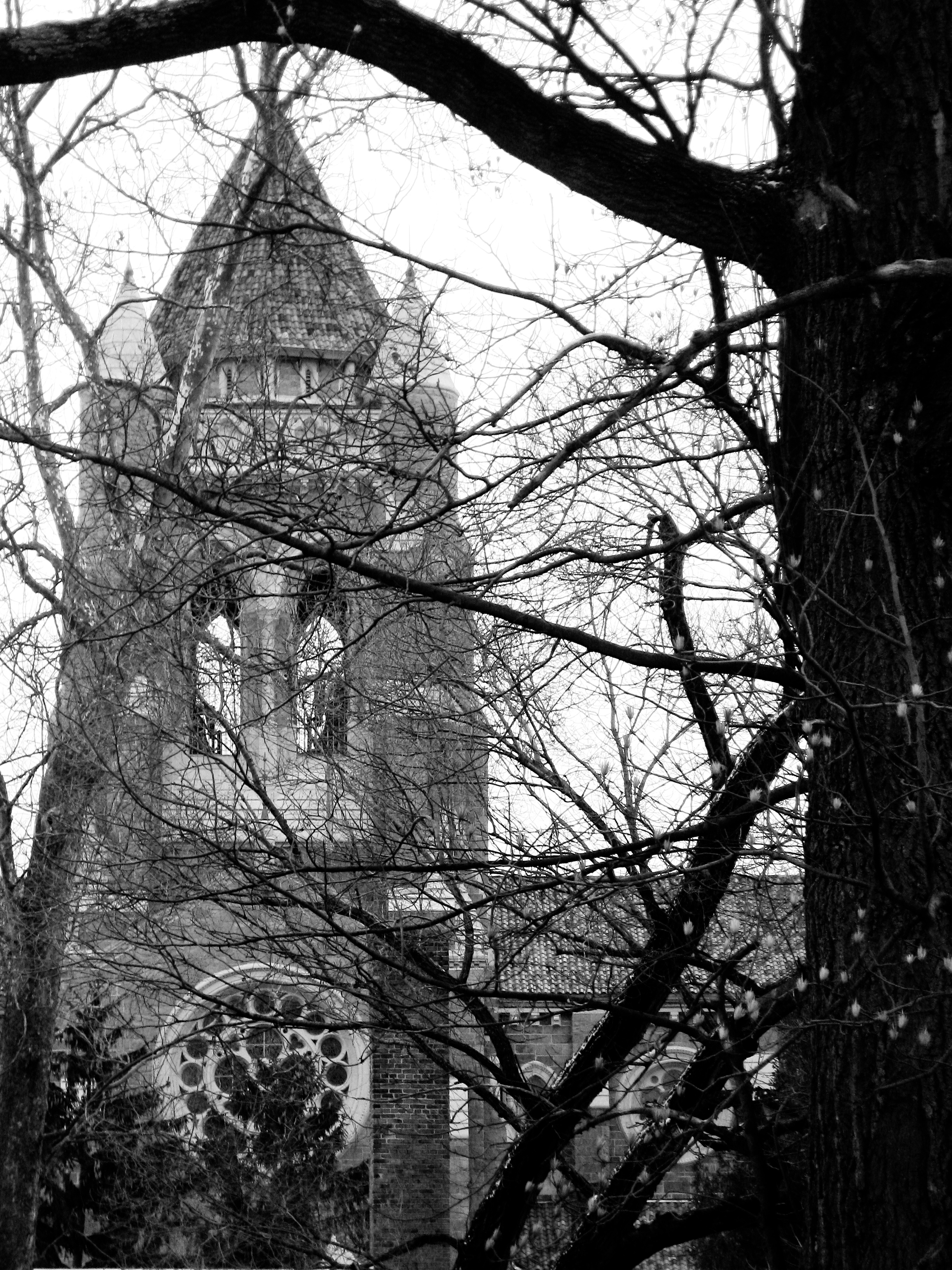
Some of the statues that adorn the 15th Street front of St. Adalbert’s, beginning, of course, with St. Adalbert himself. The church and its art are in need of restoration, which is to say in need of money.
It was very kind of the sculptor to give these figures a book to read while they stood there for all eternity.
McKeesport was the second city of Allegheny County, far enough from Pittsburgh to be a small metropolitan center in its own right, but near enough to be within commuting distance of the larger city. The economic engine of the city was the National Tube Works, which gave McKeesport the proud nickname “Tube City.”
Metal tubing, however, was not the city’s only industry. For example, the Wernke Brothers produced carriages, wagons, and other vehicles.
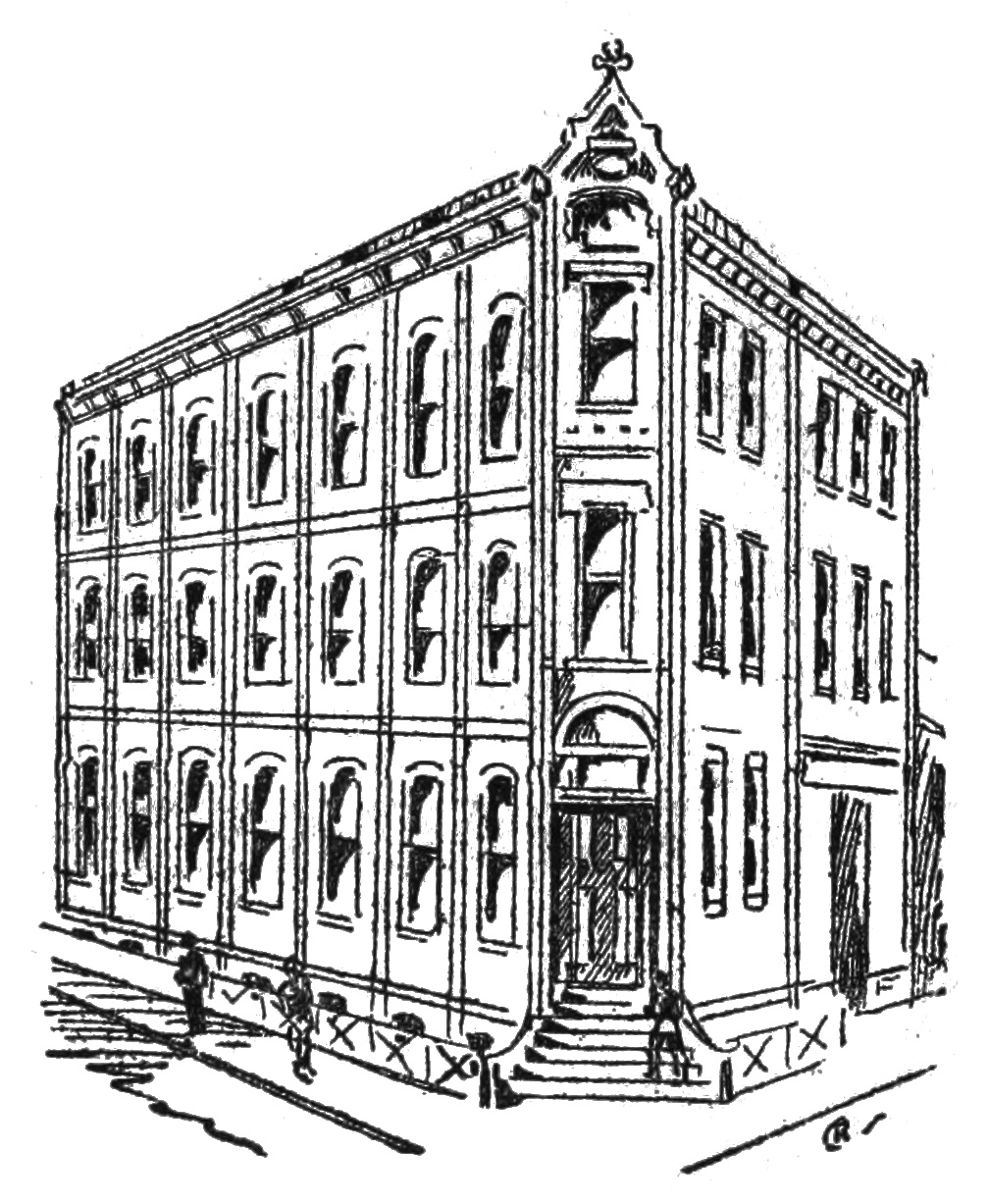
All that money had to be kept somewhere, and this was the First National Bank. Later bank buildings in McKeesport grew much grander.
Location shooting can happen anywhere. Wherever you see a sign with three initials and an arrow, you can follow it to a movie shooting on location. (You can identify the location by the fleets of Haddad’s trucks parked nearby.) Sometimes, however, the signs are more specific, especially when parking is involved.
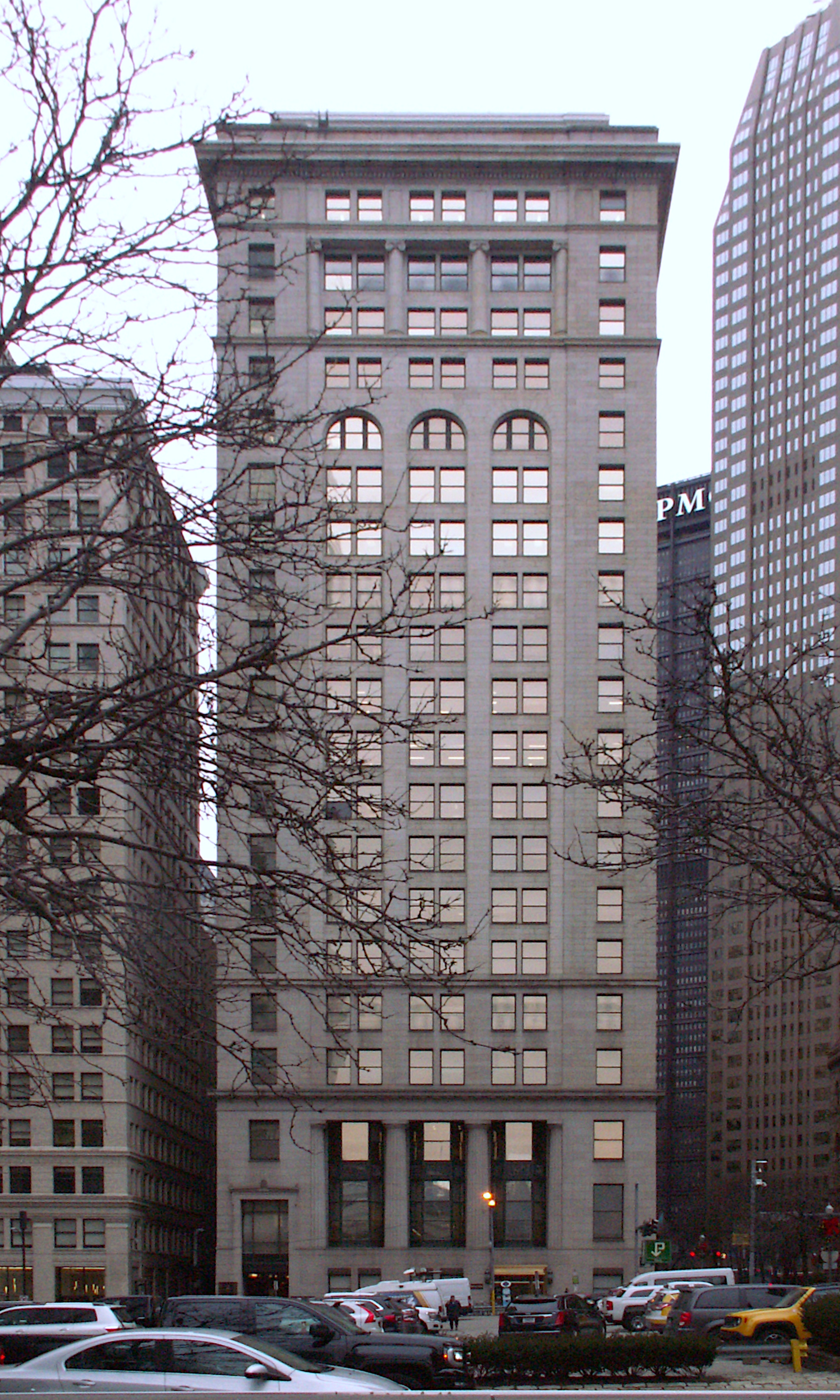
Louis Sullivan was of the opinion that Daniel Burnham’s success in the classical style was a great blow to American architecture. But what could be more American than a Burnham skyscraper? Like America, it melds its Old World influences into an entirely new form, in its way as harmonious and dignified as a Roman basilica, but without qualification distinctly American.
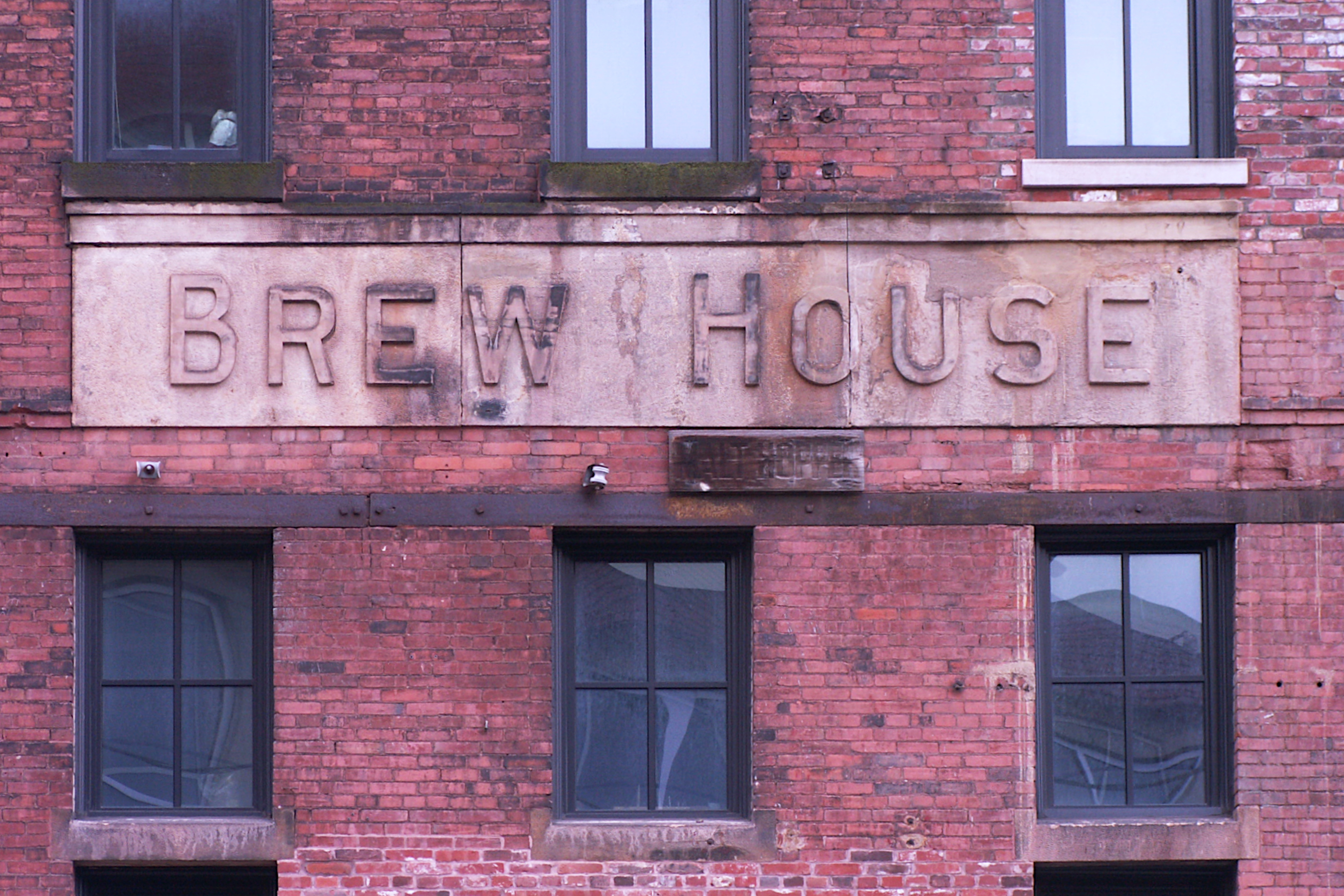
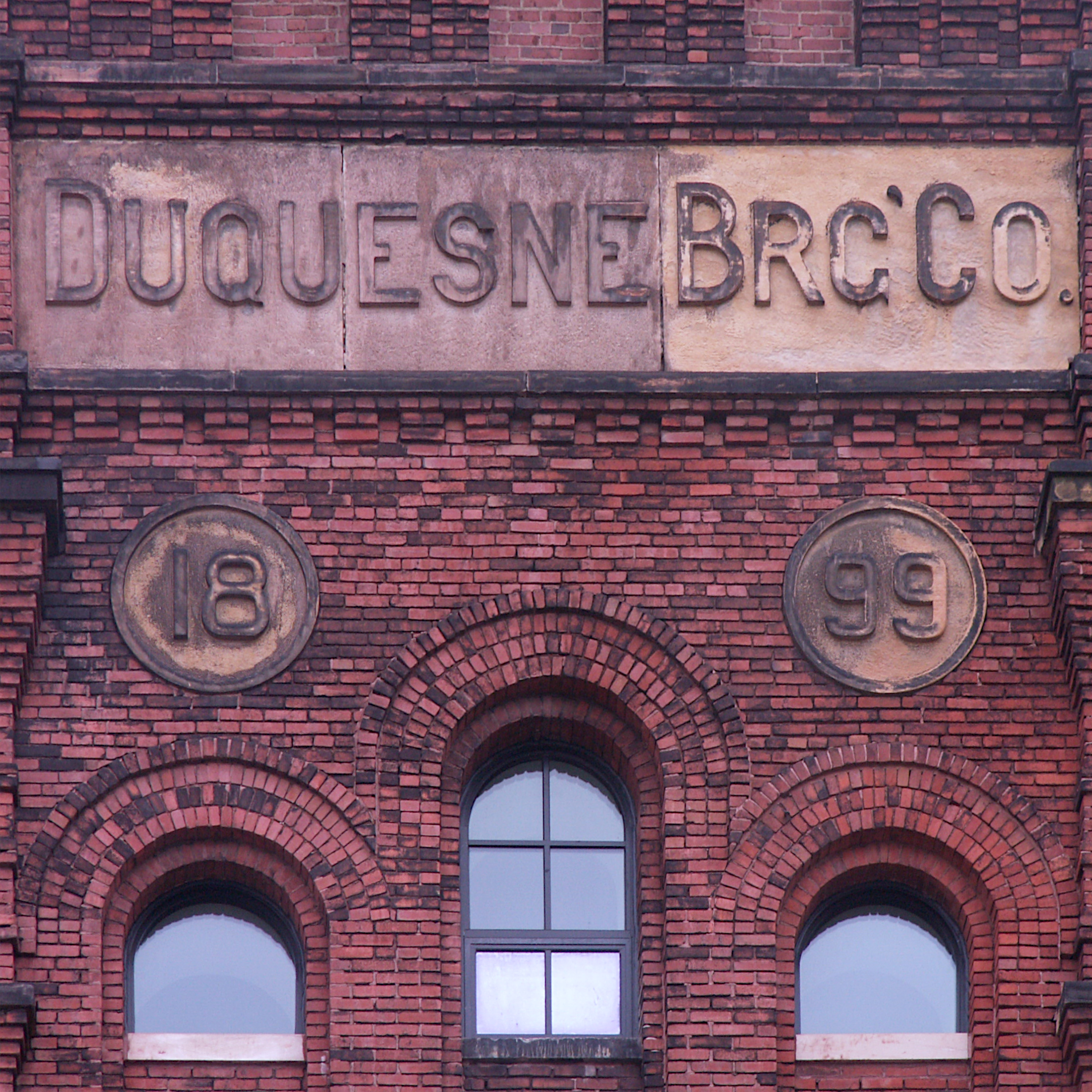
In the late 1970s, artists began to take over the vacant Duquesne Brewery. Now (after many battles over ownership) it has been renovated as artists’ lofts and studios.
The Roberts Building was put up for a jeweler, and its gem-like attention to detail seems appropriate.
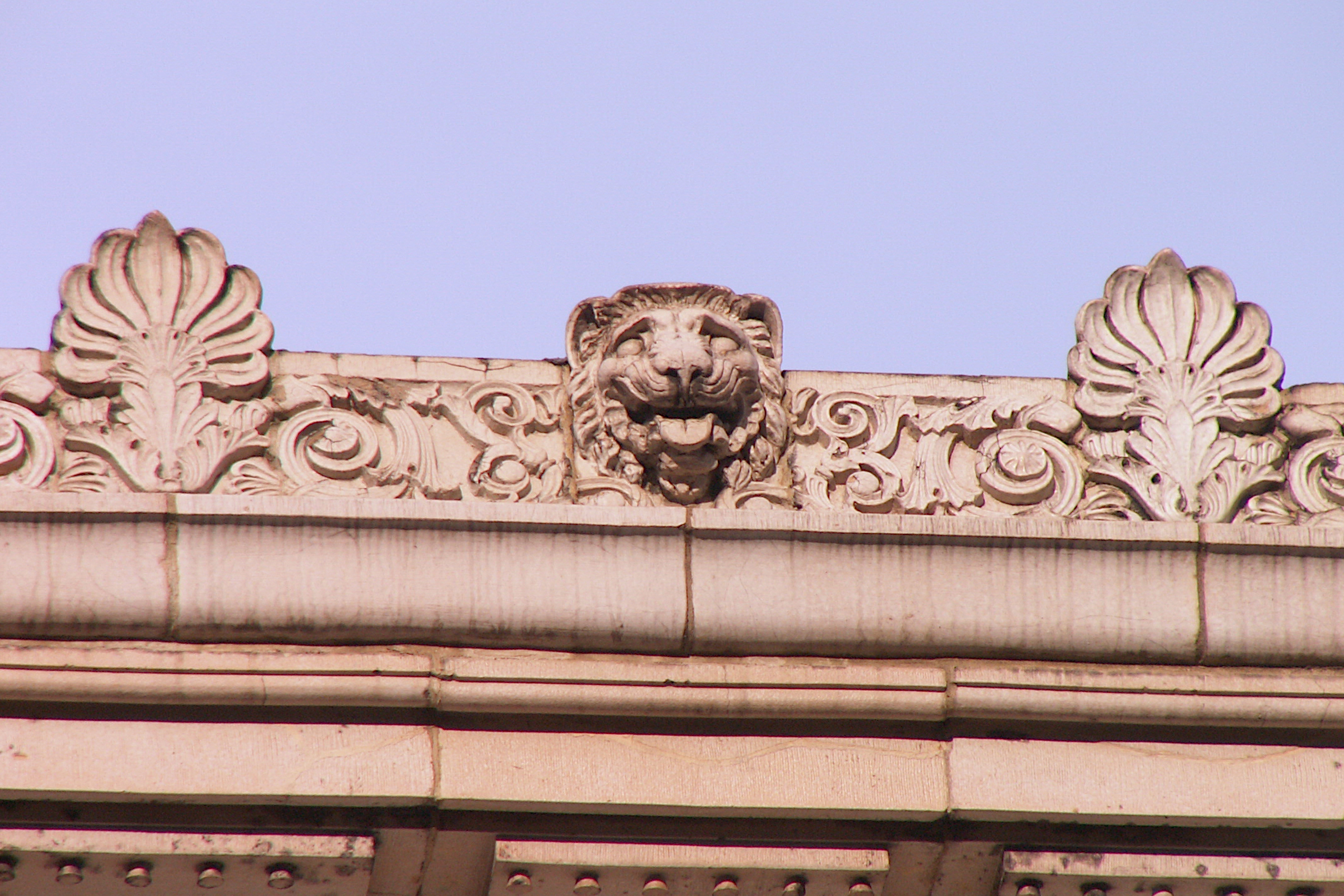
Some of the happiest carved lions in Pittsburgh adorn the cornice.
These decorative tiles suggest the jeweler’s art.
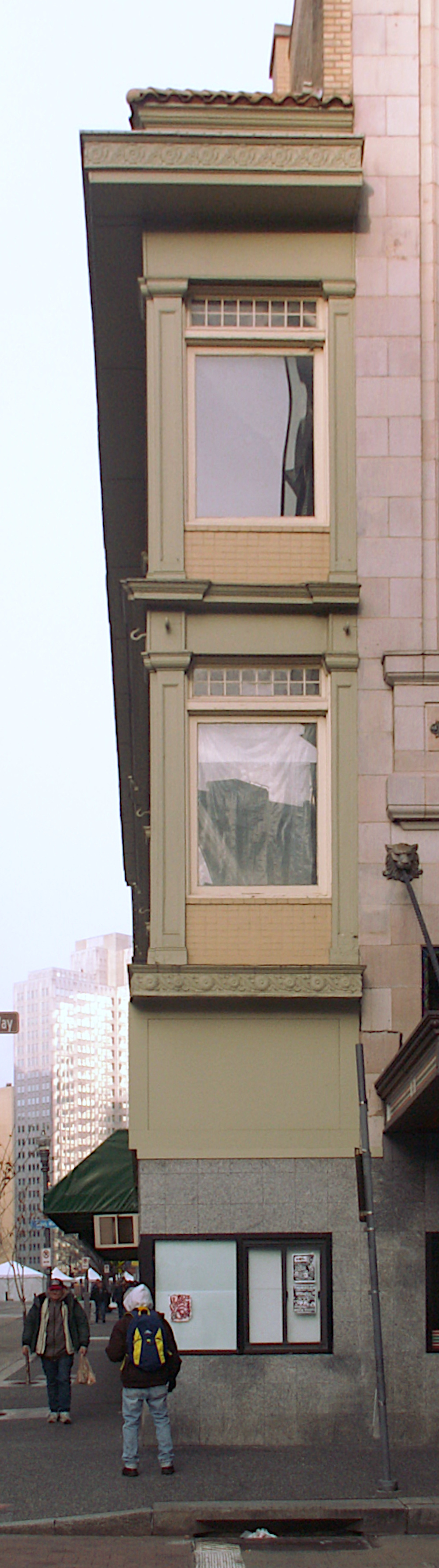
An amusing game to play with out-of-town visitors is to offer to show them an invisible building. Explain that you will make an invisible building visible before their eyes; then take them to the northeast corner of Wood Street and Forbes Avenue. Ask your visitors to describe the building on the opposite corner. They will almost invariably describe the Roberts Building. Then explain that they have described, not the building on the corner, but the building next to it. The building on the corner is invisible to them, because their brains have no category for a building that is five feet two inches wide.
This is the Skinny Building, and once it has revealed itself to you, you will see that it is indeed a completely different building. It was built as an act of spite by a property owner whose property was rendered apparently worthless by street widening. The ground floor usually sells T-shirts and Pittsburgh souvenirs; various attempts are made at various times to find a use for the upper floors.
Addendum: The architect of the Roberts Building was George M. Rowland; it was built in 1925.1
Our source is the Pittsburgh History and Landmarks Foundation’s walking tour of the Market Square area (PDF). ↩︎