

Old Pa Pitt’s obsession with small apartment buildings continues. This one is on Broadway in Beechview. It seems to have been originally meant as an imitation of a Georgian mansion of the sort found in Annapolis or Williamsburg. It looks as though smaller windows have been installed, and the semicircle of bricks at the top of the central stairs might have been a “Palladian” window. In spite of alterations and repairs, though, it remains a pleasing and distinctive building.
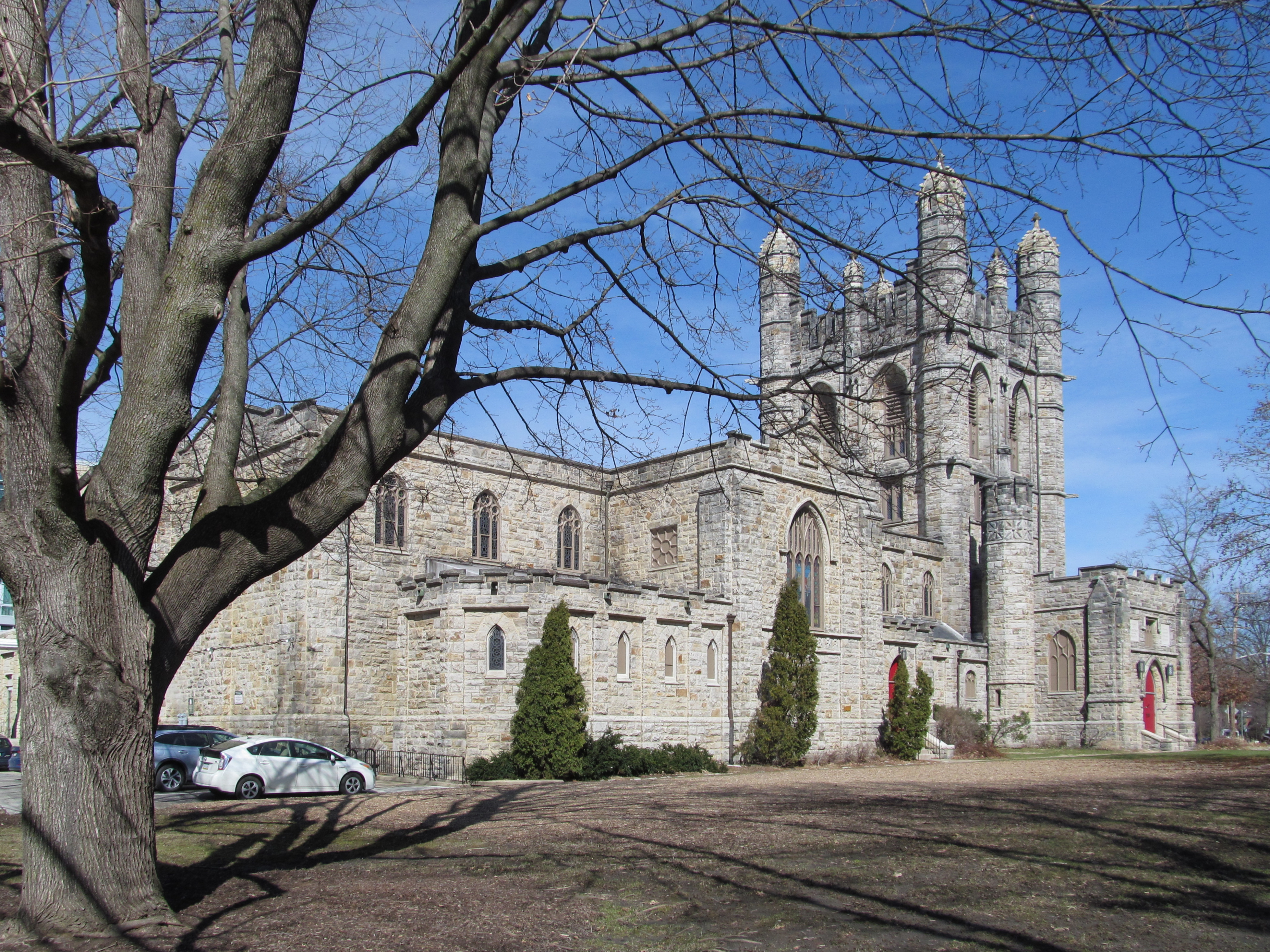
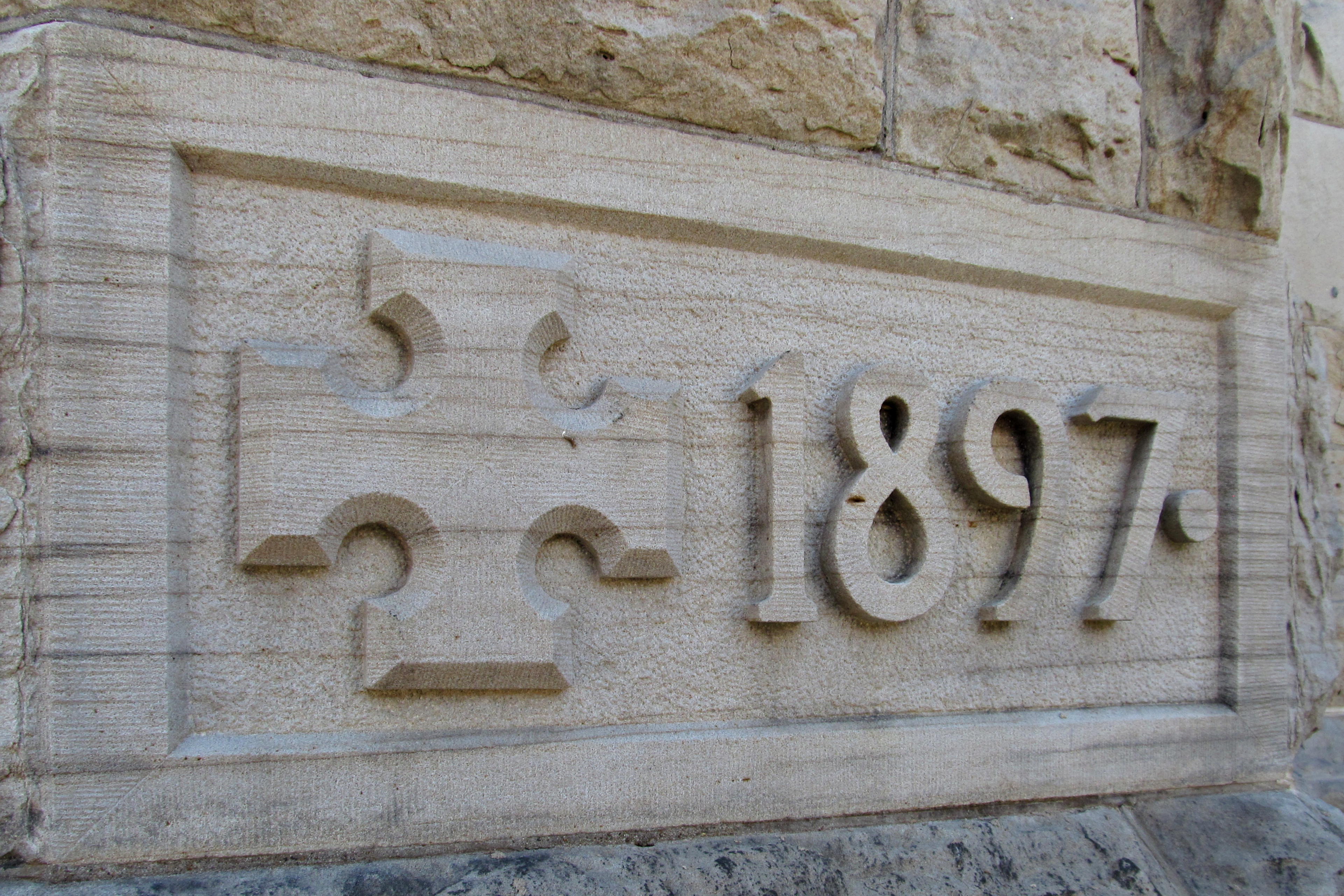
The Church of the Ascension was designed by William Halsey Wood, a master of Gothic architecture who died very young, at 41, but nevertheless left a substantial body of work. Here he seems to have concentrated his efforts on the massive tower.




Compare these recent pictures to the Father Pitt’s pictures of the same church in 2013.
A southbound Siemens trolley and a northbound CAF trolley cross Castle Shannon Boulevard in the middle of Castle Shannon.

This exceptionally fine country house on Ellsworth Avenue has been absorbed by the city, but maintains its rural dignity. It was built just after the Civil War in about 1870, and all the best features of the era are represented—generous porch, huge tall windows, and a dignified but not monotonous simplicity of form.


This is a huge composite picture, so don’t click on it unless you have the megabytes to spare. This elegant apartment building on Craig Street had a typically Pittsburgh problem to solve. The lot is irregularly shaped and (of course) not level. The architect’s answer was a façade that is varied enough to mask the fact that it does not quite line up with the street. At first glance, the front seems symmetrical; the second and third glances will reveal the curious staggering of the wall.
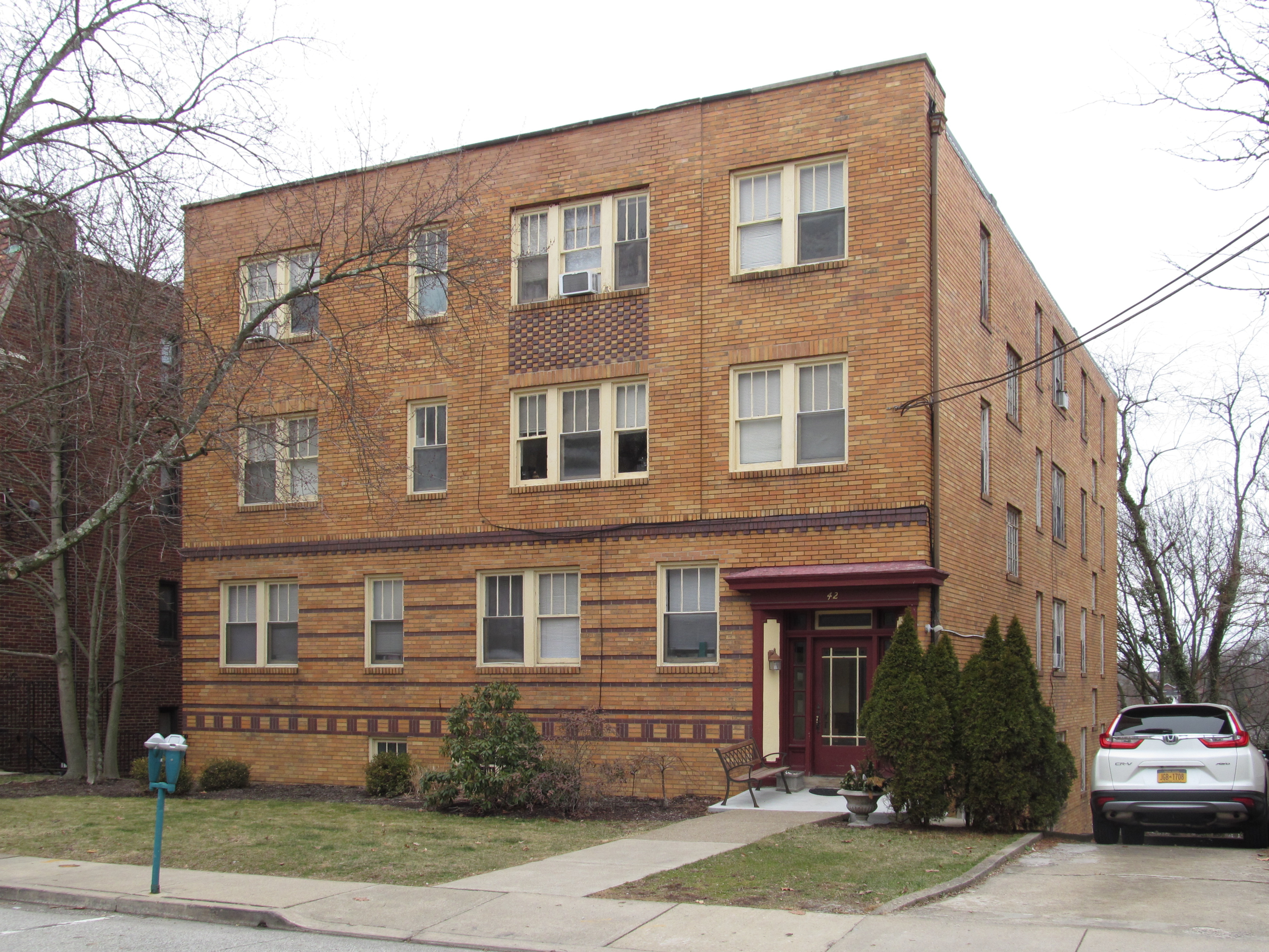
Well, this one didn’t quite work.
Old Pa Pitt has mentioned how he enjoys seeing the experiments builders try with small apartment buildings. Here we see a builder who seems to have absorbed some of the ideas of modernism and added some Craftsman-style details: the three-over-one windows, the decorative brickwork, the wood-framed entrance. But the details seem applied at random, and a modernist architect would have been more regular in the geometry. Note the lack of rhythm or alignment in the windows, which throws off the whole façade. The second and third floors have windows in groups of 2, 1, 3, 2; the first floor has groups of 2, 1, 2, 1, and they do not line up at all with the windows above them. The entrance does not line up vertically or horizontally with anything else in the building; its awkward corner placement seems to leave some of the trim hanging off the edge.
Someone will probably come along and tell Father Pitt that this building is by a famous modernist architect, and old Pa Pitt will only say that the architect was having a bad day.

This little building sits next to the old Western Theological Seminary. Old Pa Pitt has not been able to discover its history with the limited research he was willing to put into the question, so he would be delighted to be enlightened in the comments. It looks as though it might have been an addition to the seminary, done in a sort of late Gothic with Art Deco overtones.