Category: Knoxville

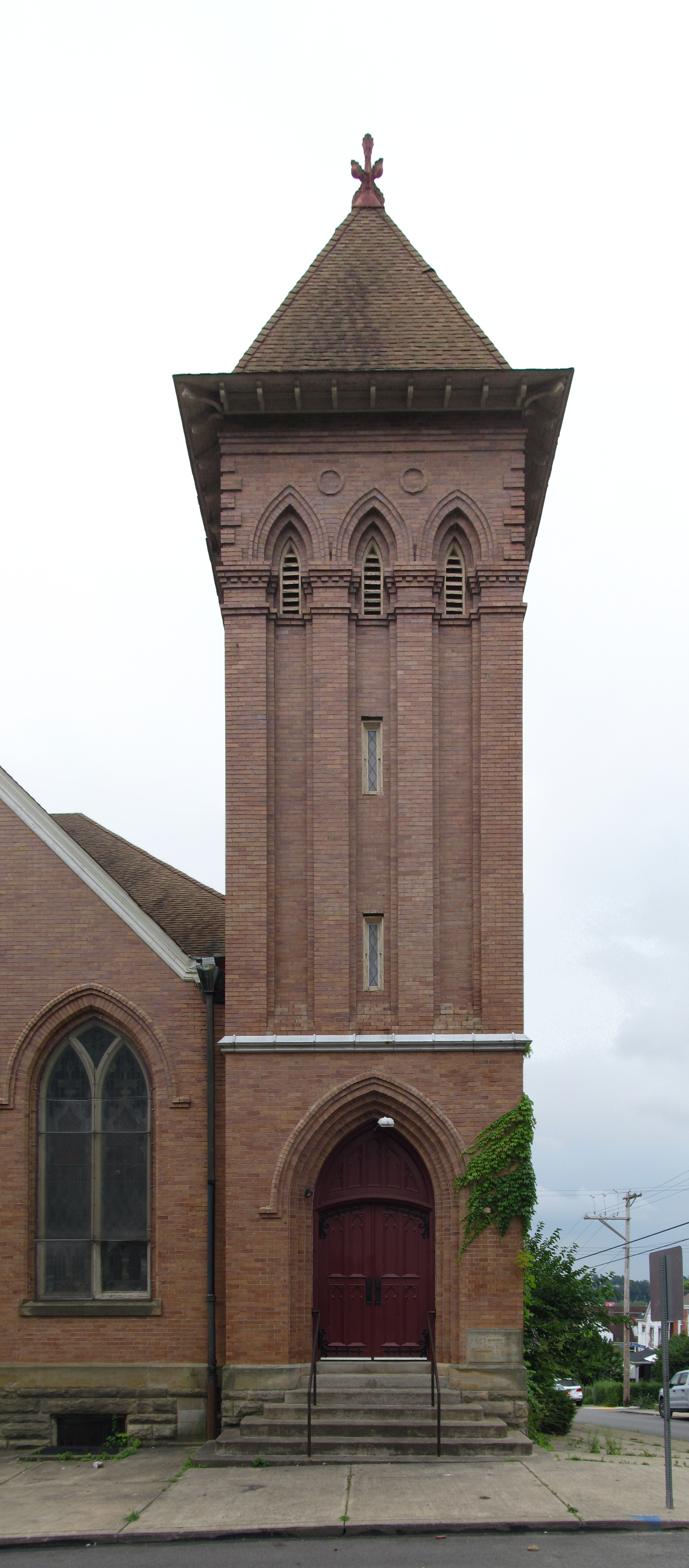
  • A Black Stone Survivor: First Methodist, Knoxville

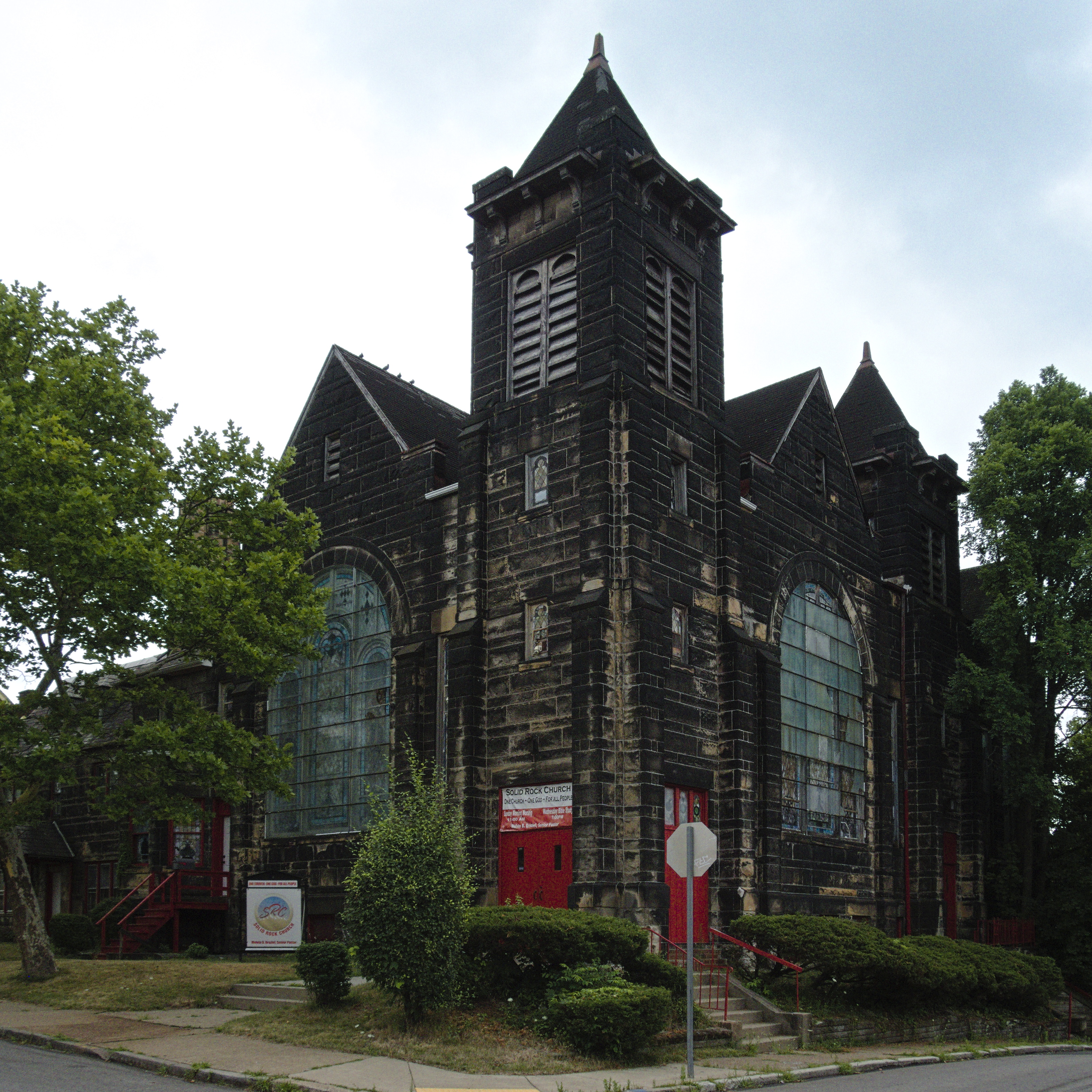
    Solid Rock Church

    Few of these black stone buildings are left, but in some of the less prosperous neighborhoods we can still find uncleaned stones. Knoxville is a particularly interesting neighborhood from the point of view of the urban archaeologist: it was prosperous and now is not, so it retains some splendid buildings in their original state, many of them sadly abandoned and decaying. This church, marked “1st Meth. Prot. Ch.” on a 1916 map, is still in use as a nondenominational church, and old Pa Pitt very selfishly hopes that the congregation always sits at that middle point where it has enough money to keep the doors open and not enough to clean the black stones.

    First Methodist Protestant Church

    Addendum: The architect was Knoxville’s own Edwin V. Denick. “Fine New Church for Knoxville,” Pittsburg Press, November 1, 1908: “In the newly opened section of Knoxville, between Charles street and Rochelle street, the Knoxville Methodist Protestant Church congregation of the South Side is erecting a handsome stone building. The structure is under the direction of Edwin V. Denick, architect, and will occupy a plot 100×100 feet at the northeast corner of Zara street and Georgia avenue. The main auditorium will have a seating capacity of about 800. The subfloor is divided between gymnasium and The style is modernized Gothic in the exterior plan and design. The work is well in progress and it is intended to complete the structure about August 1, 1909.”

    First Methodist, Knoxville
  • The Knoxville Junior High School

    Knoxville Junior High School

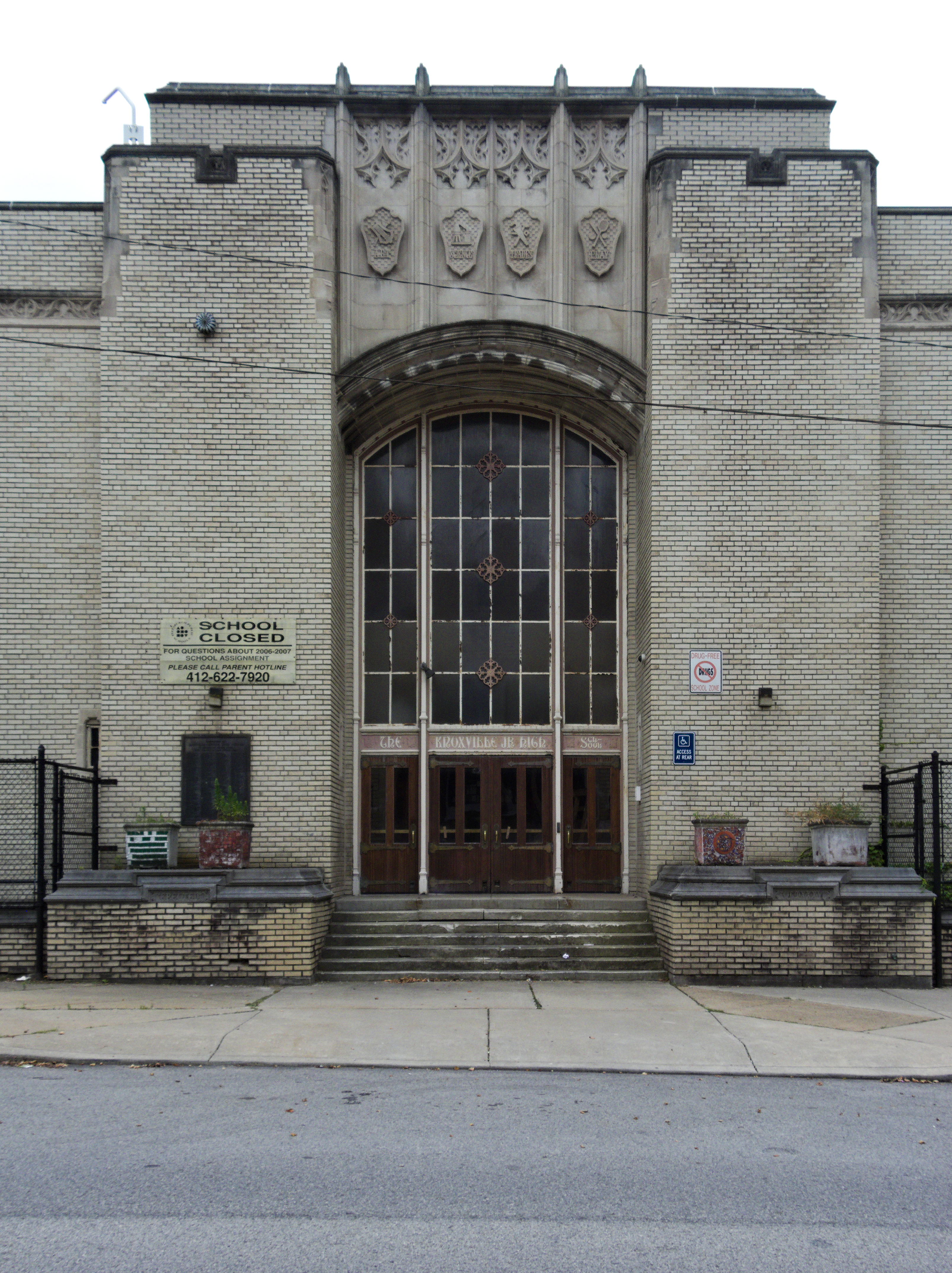
    This splendid Tudor Deco palace takes up a whole large city block; in fact, it’s the symbolic center of Knoxville, occupying the lot where the original W. W. Knox house stood until the early twentieth century. The school was built in stages, beginning in 1927; the Charles Street front was finished in 1935. The architects were Press C. Dowler and Marion M. Steen, and the building was placed on the National Register of Historic Places for its architectural significance, as part of a package deal with a number of Pittsburgh public schools.

    The school closed in 2006. It may stand for many more years, since Knoxville is not a prosperous enough neighborhood to make it worth demolishing; but it will eventually become too dangerous to let stand, so it is in danger until another use is found for it.

    1935
    Entrance
    Entrance

    The main entrance is designed to impress us with the idea that education is important but also delightful.

    Shields

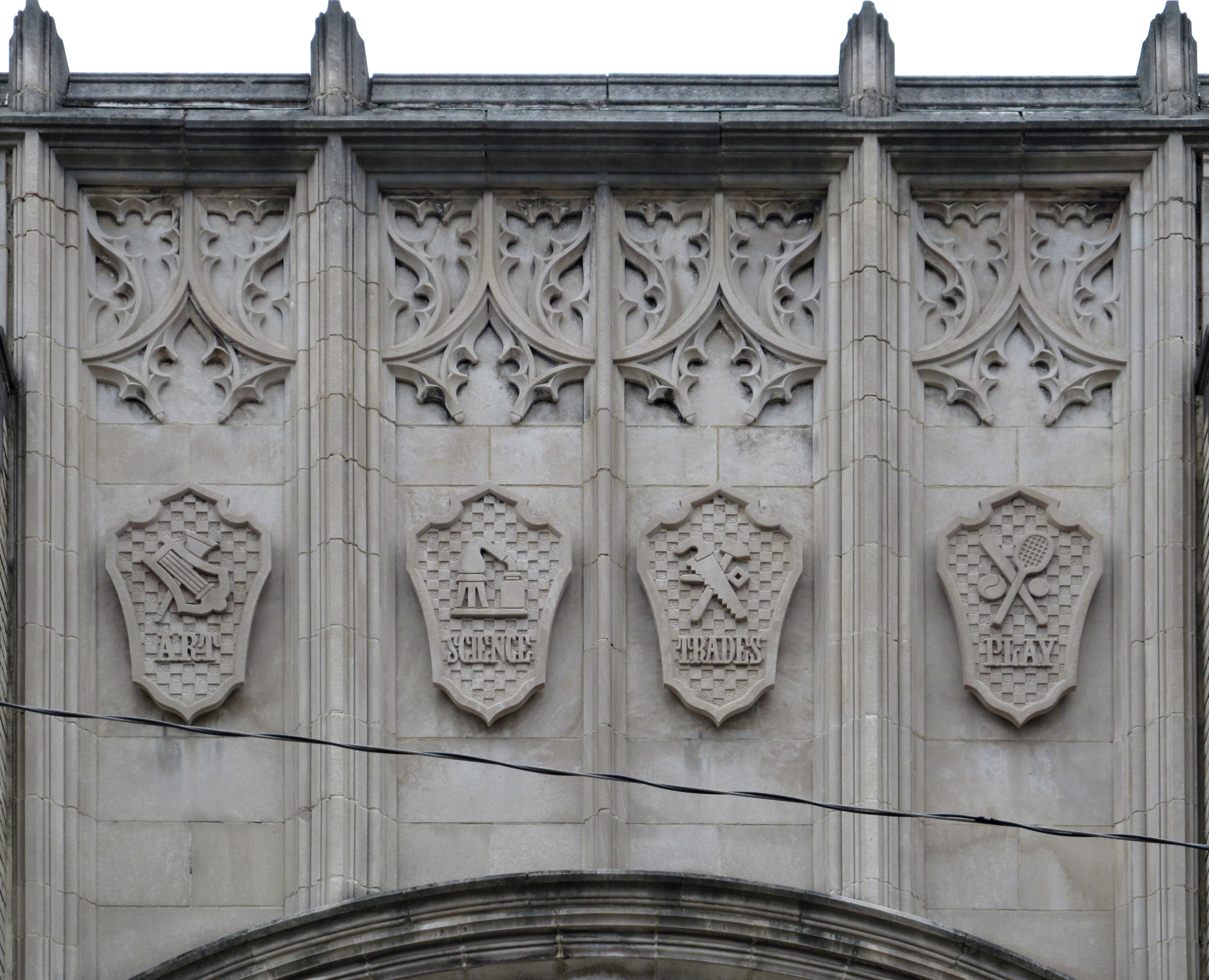
    These shields above the entrance express an ideal of balance in public education: Art, Science, Trades, Play.

    Side entrance
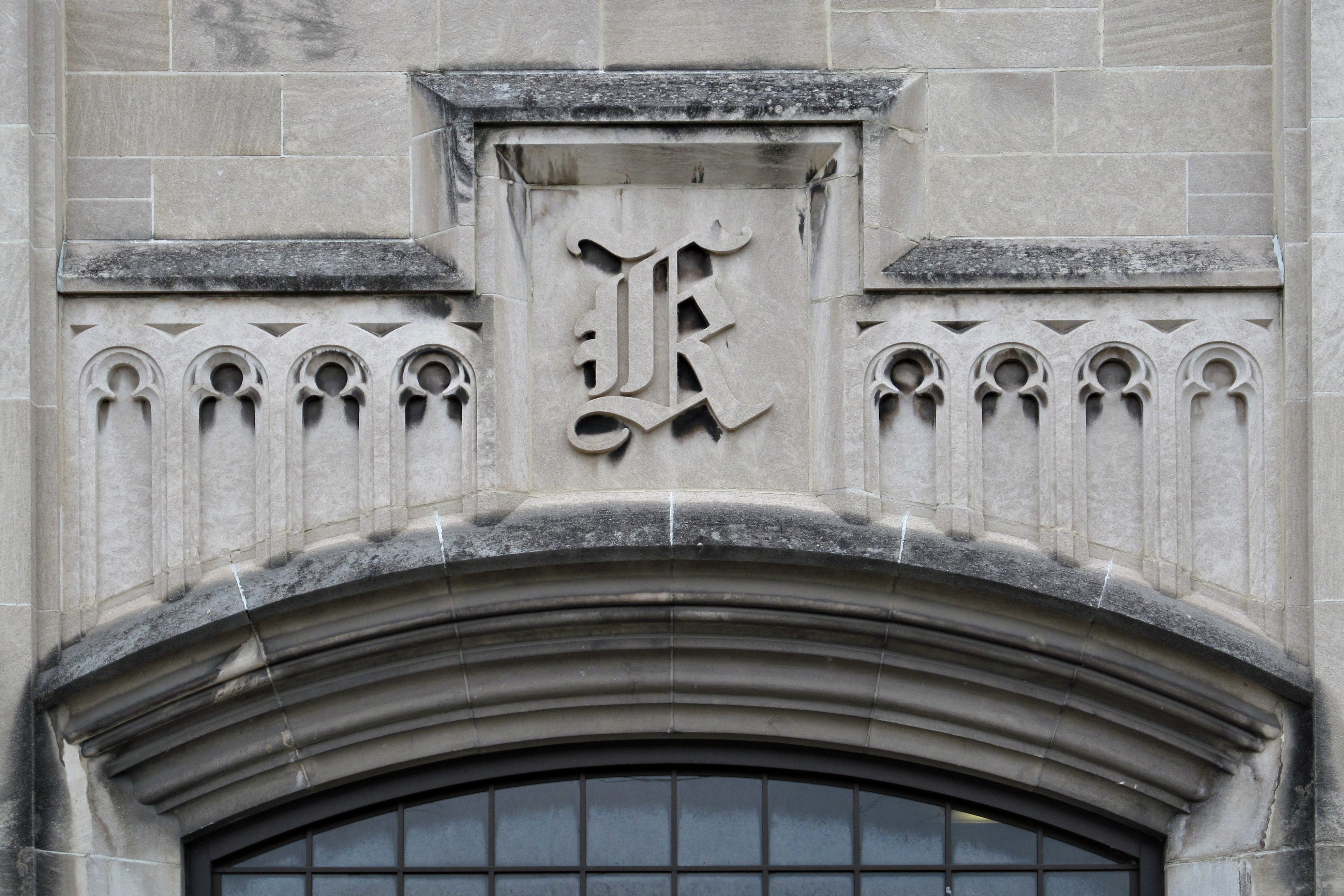
    Blackletter K

    Even the side entrances are finely decorated.

    View along Charles Street

    A view along Charles Street.

    Zara Street

    The rear of the school along Zara Street.

  • Art Deco in Knoxville

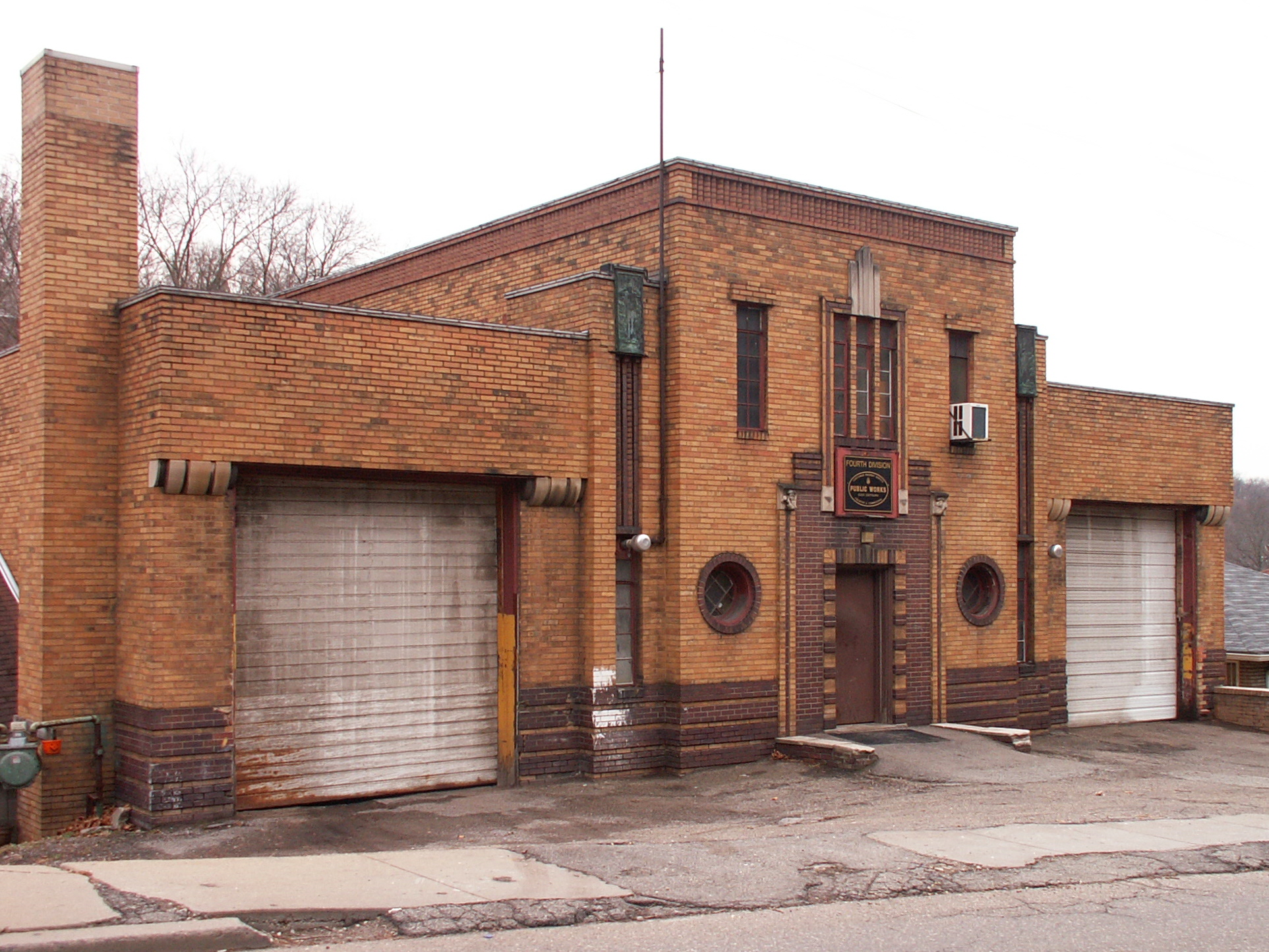
    This little maintenance building on Bausman Street is an unexpected touch of Art Deco in an otherwise residential neighborhood. Enlarge the picture to appreciate the details.

    Camera: Konica Minolta DiMAGE Z3.

    Update: This building has vanished, so let this picture serve as its memorial.